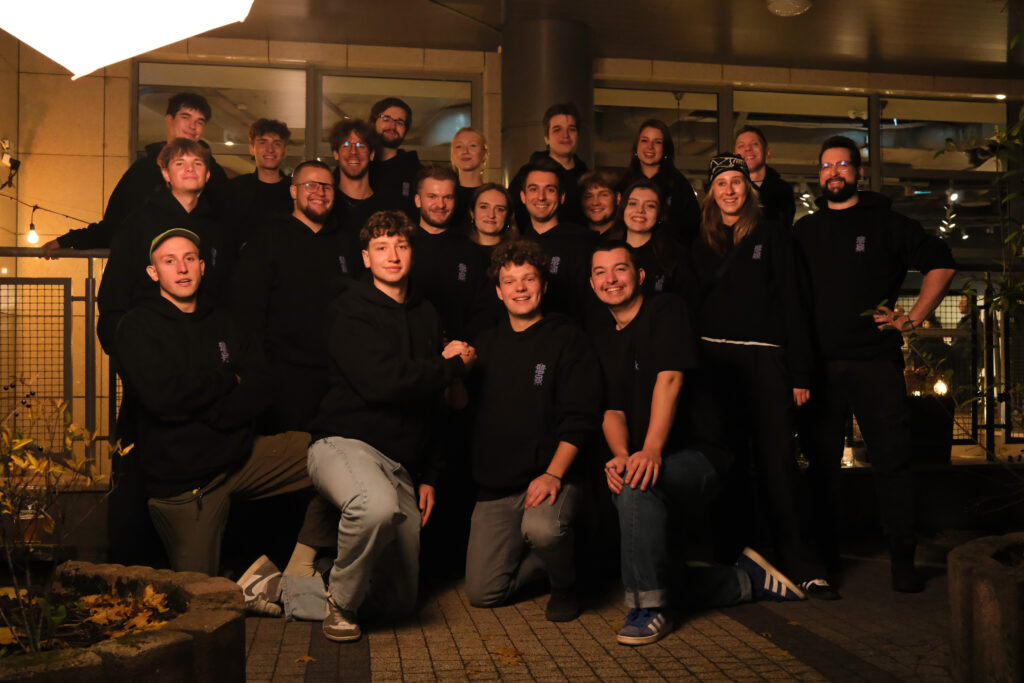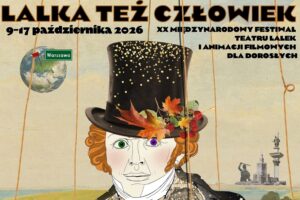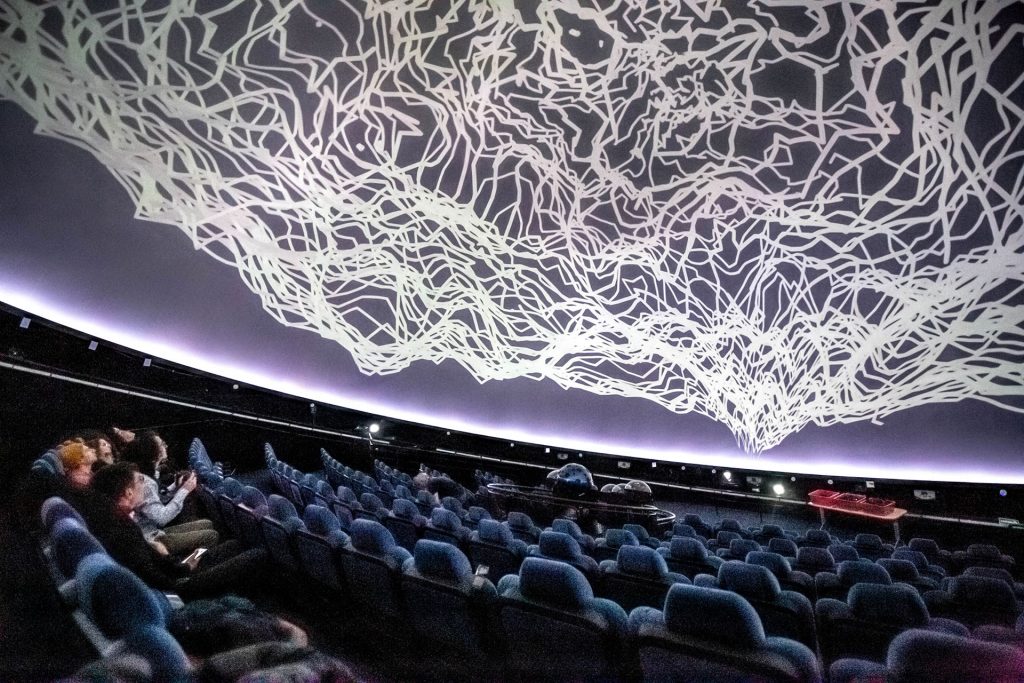
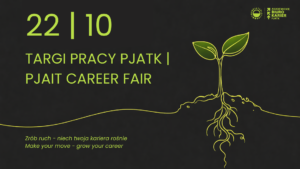
The fall edition of " Career Fair "PJAIT is coming up tomorrow—October 22!

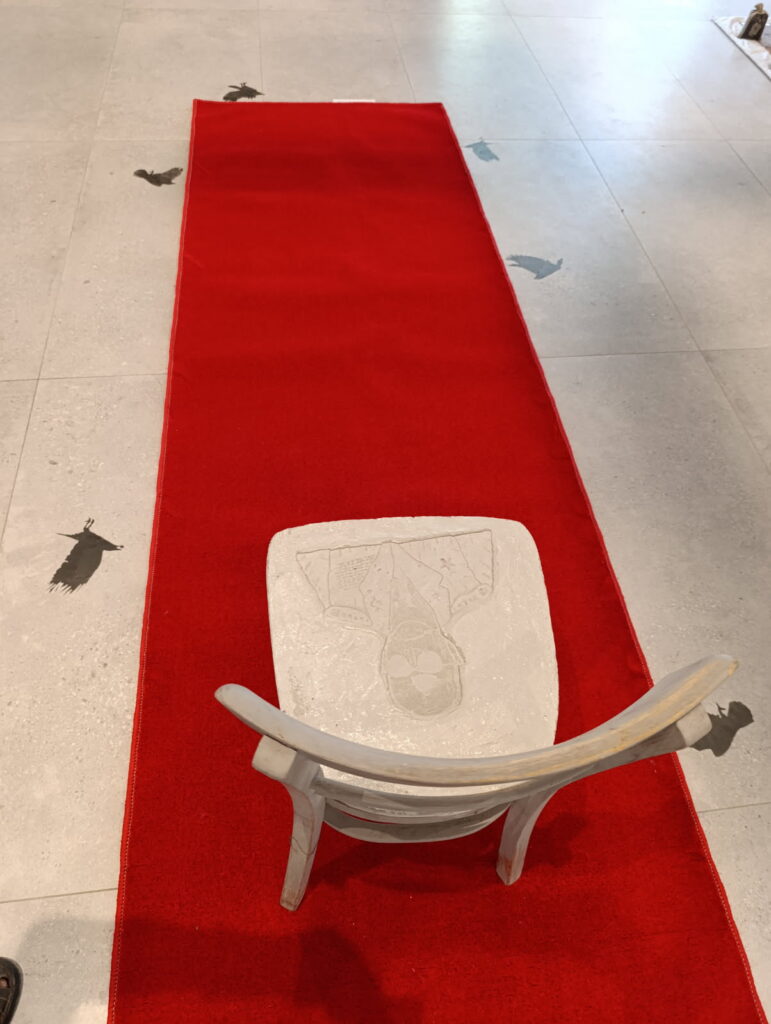
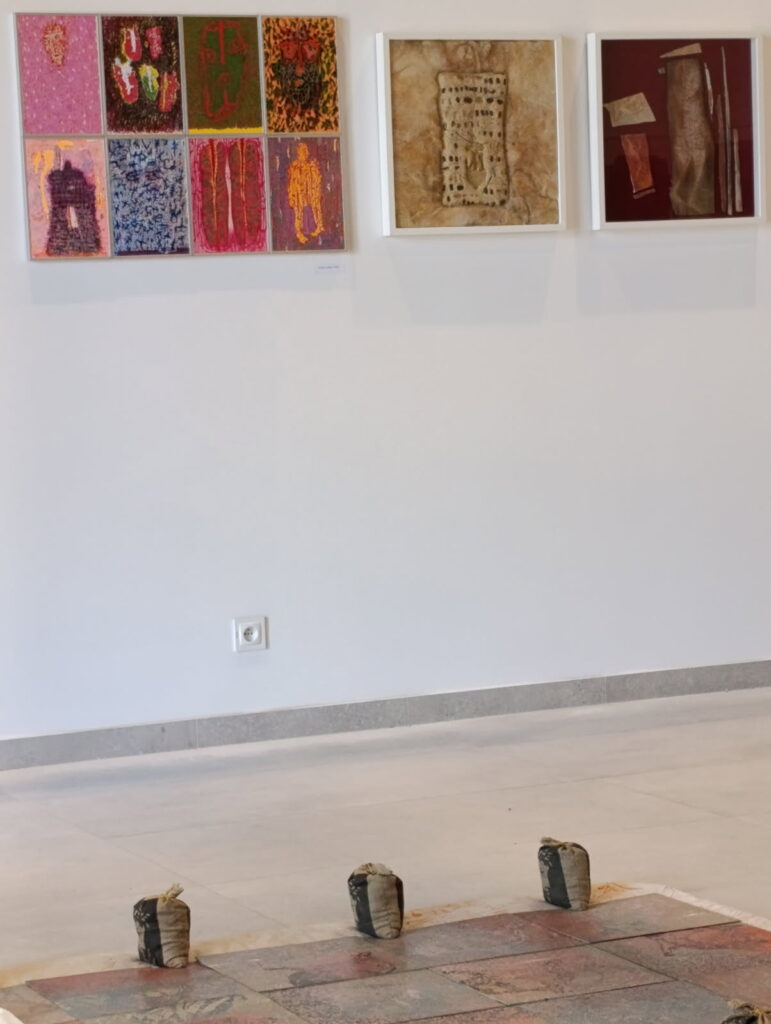
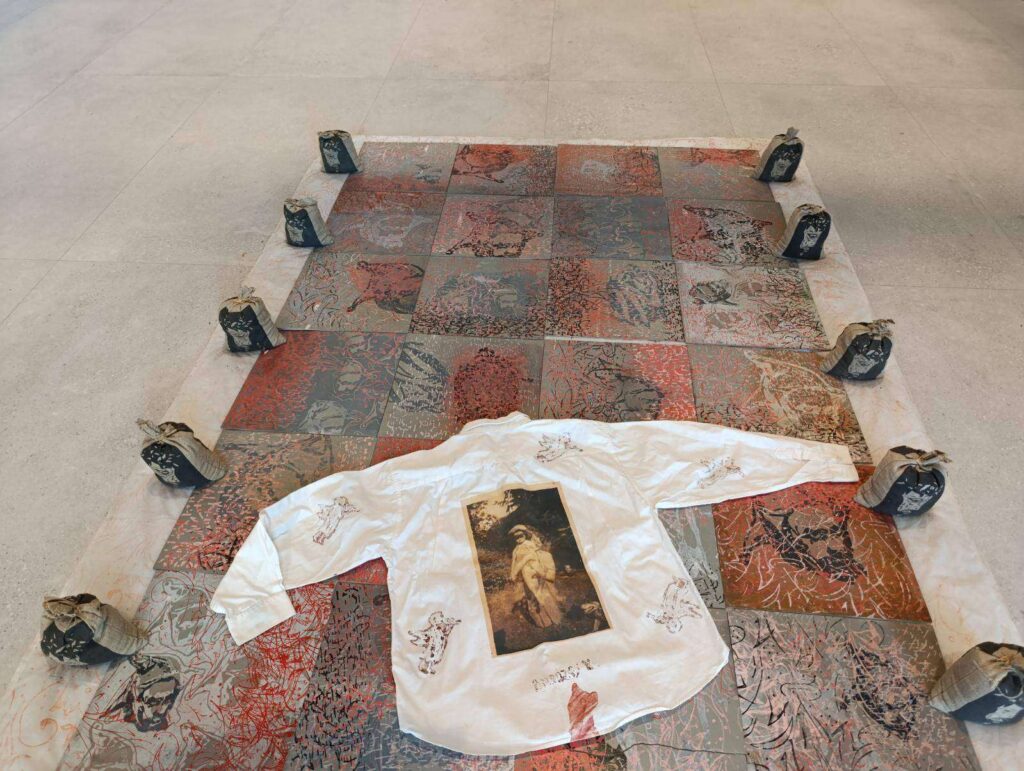
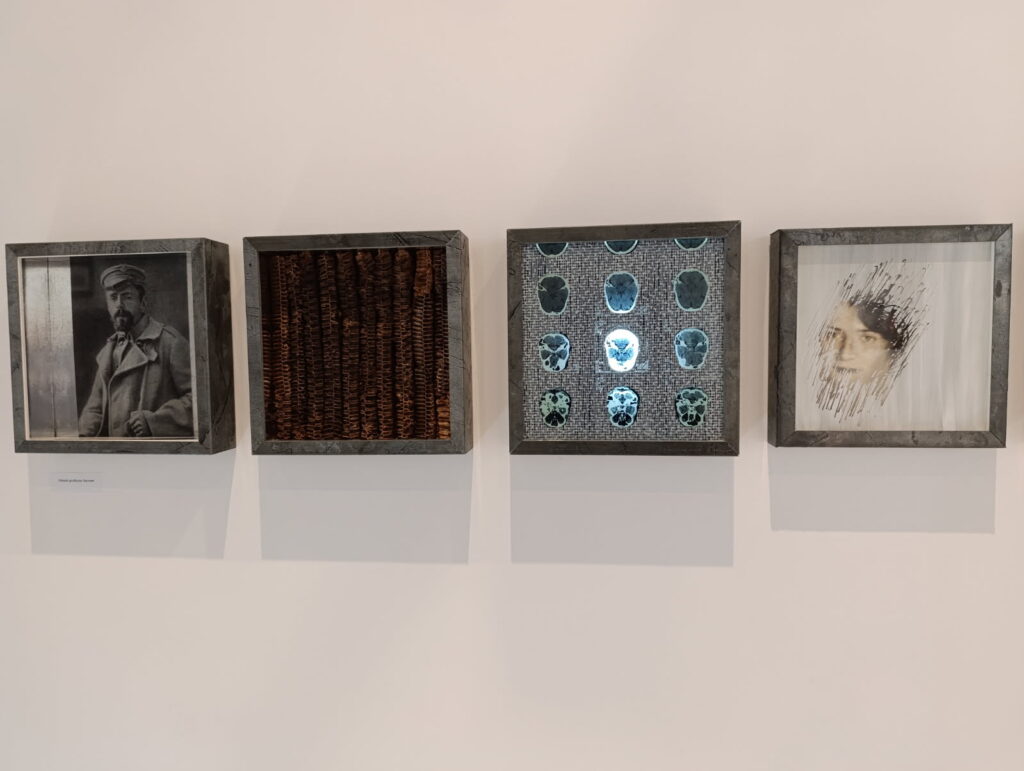
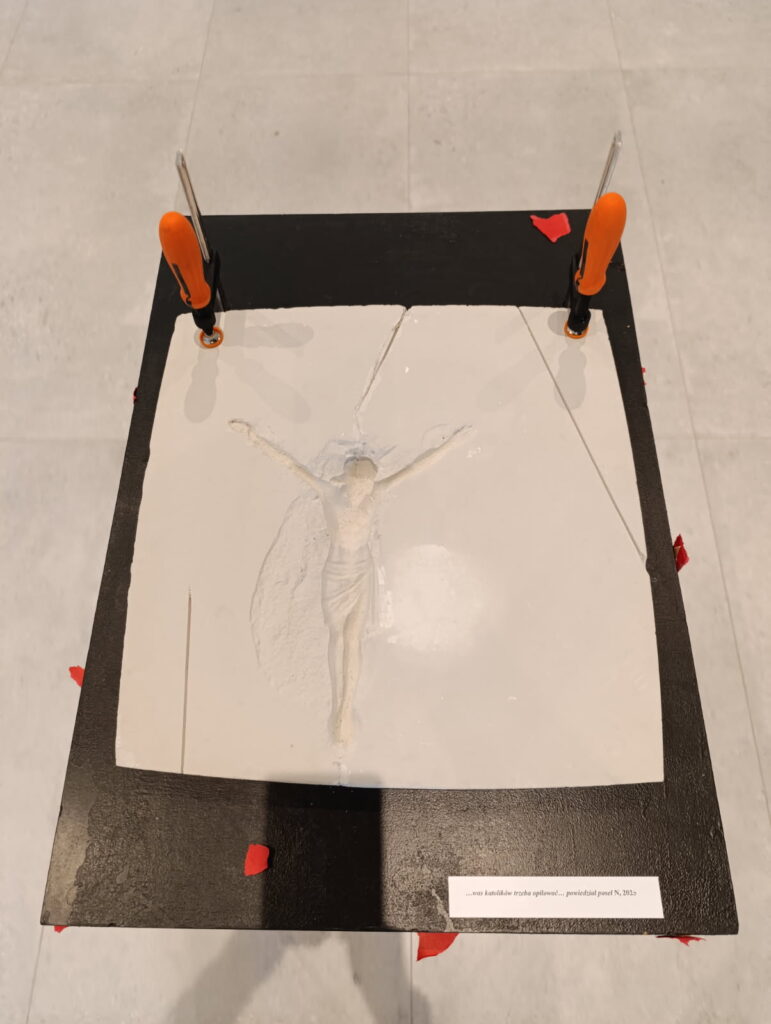
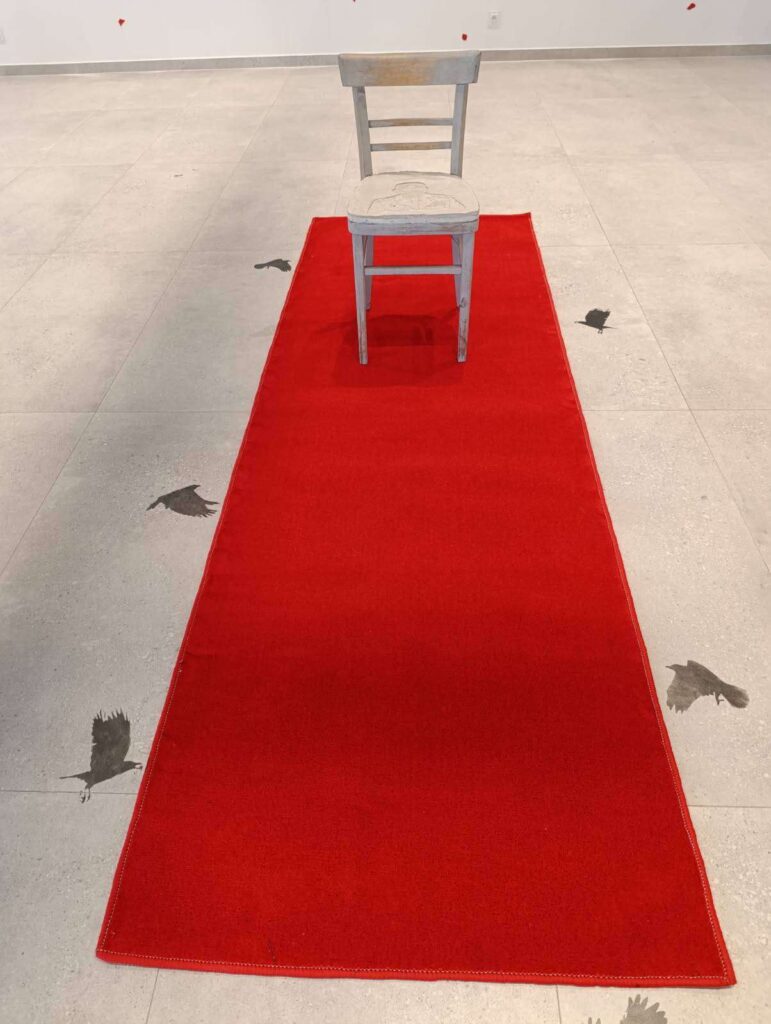
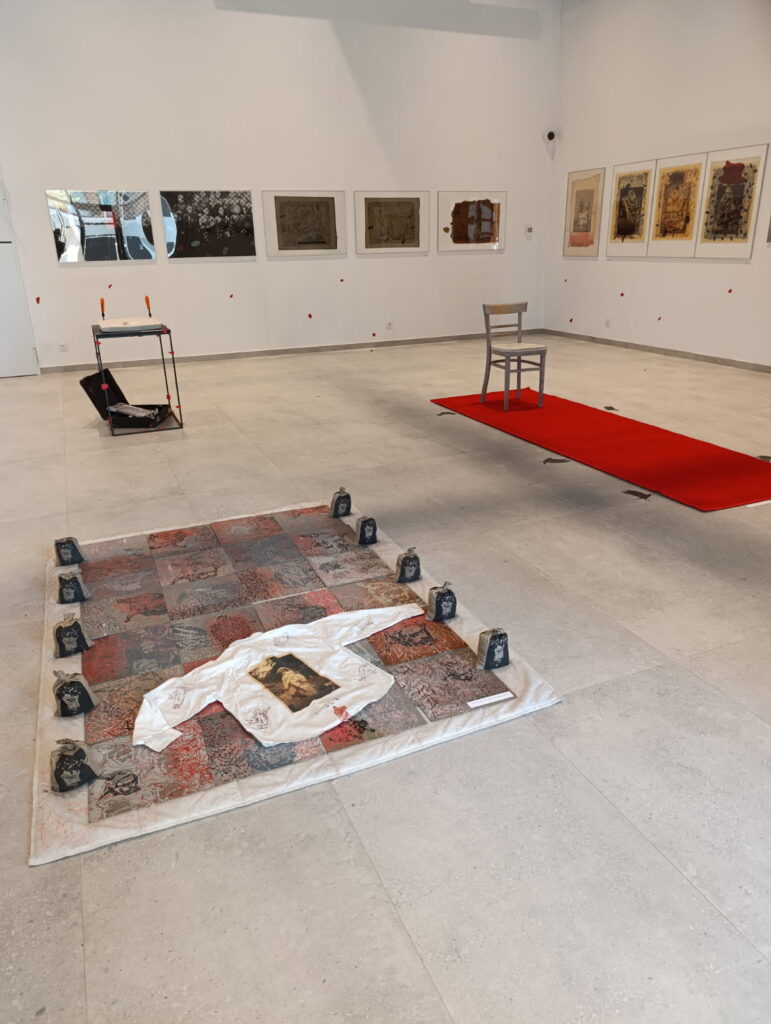
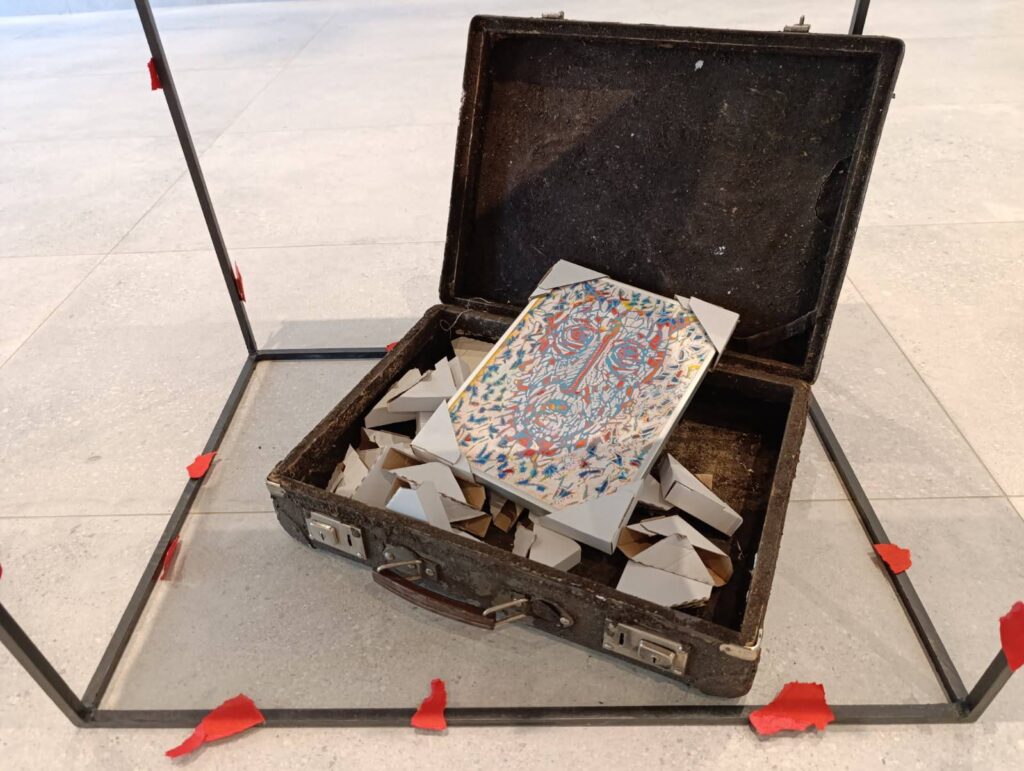
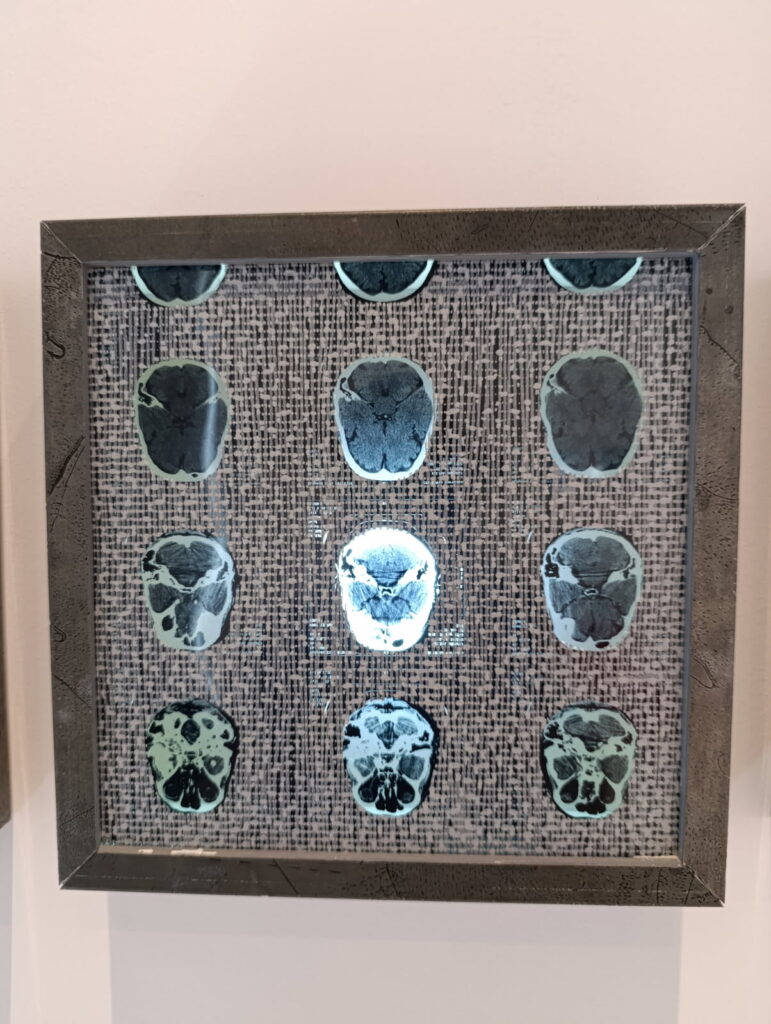
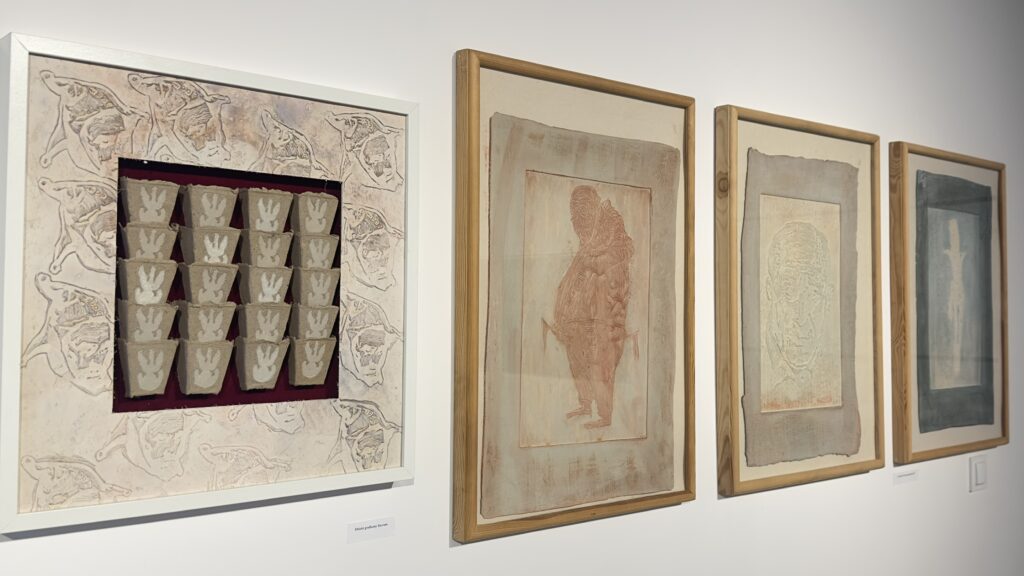
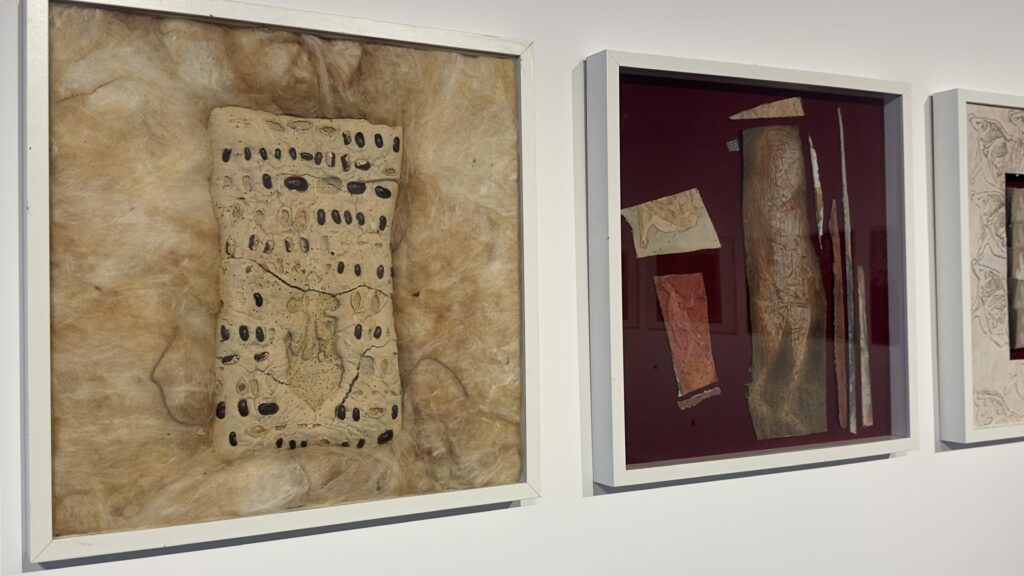
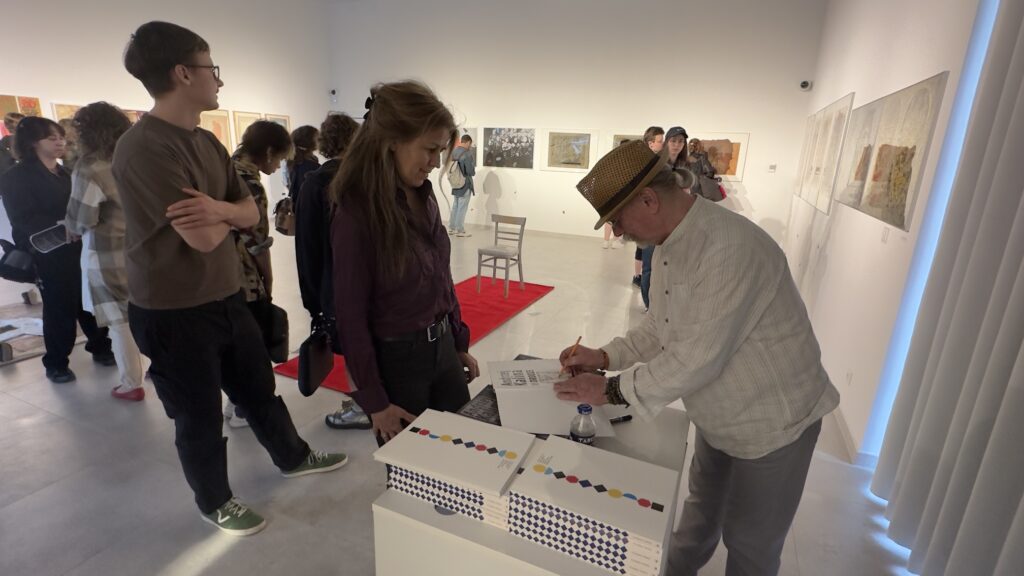
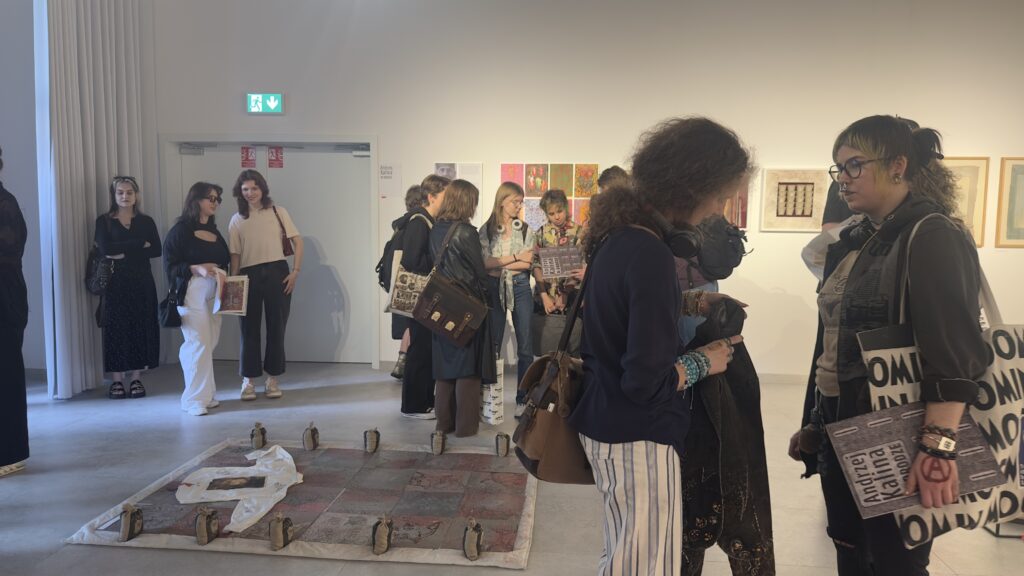
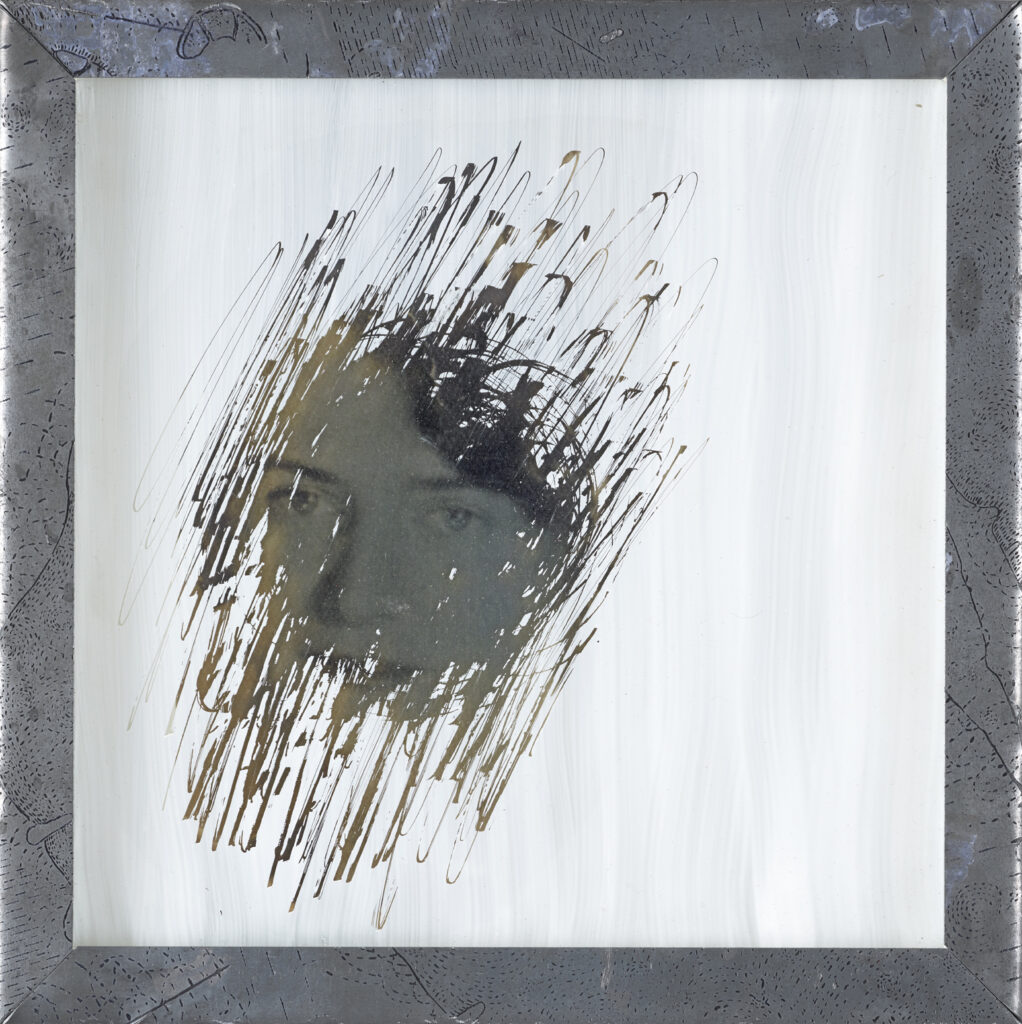
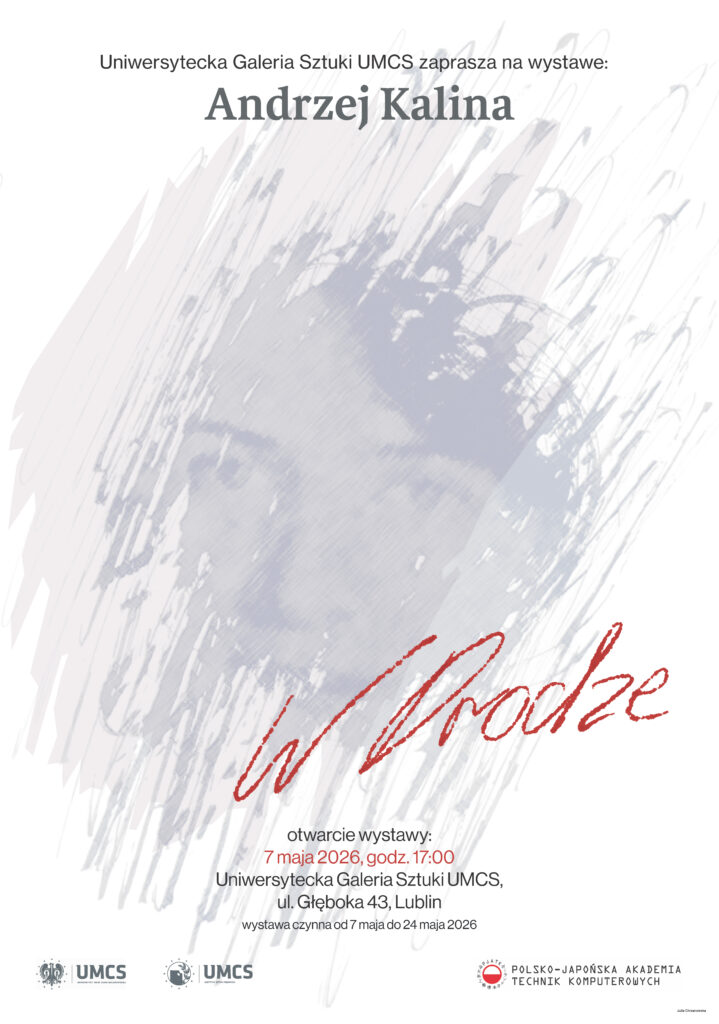
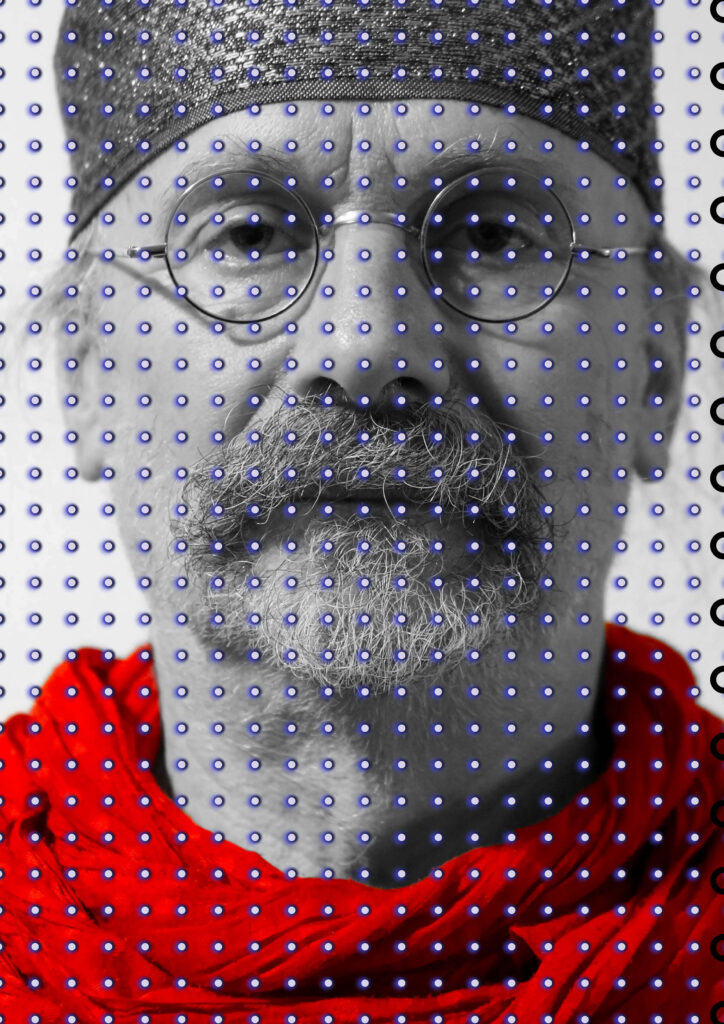
The Polish-Japanese Academy of Information Technology invites you to an exhibition by Prof. Andrzej Kalina, Ph.D., titled “On the Road.”
The opening will take place on May 7, 2026, at 5:00 p.m. at the gallery’s location at 43 Głęboka Street.
The exhibition will be open to the public from May 7 to May 24, 2026. It can be viewed Tuesday through Friday from 12:00 PM to 3:00 PM.
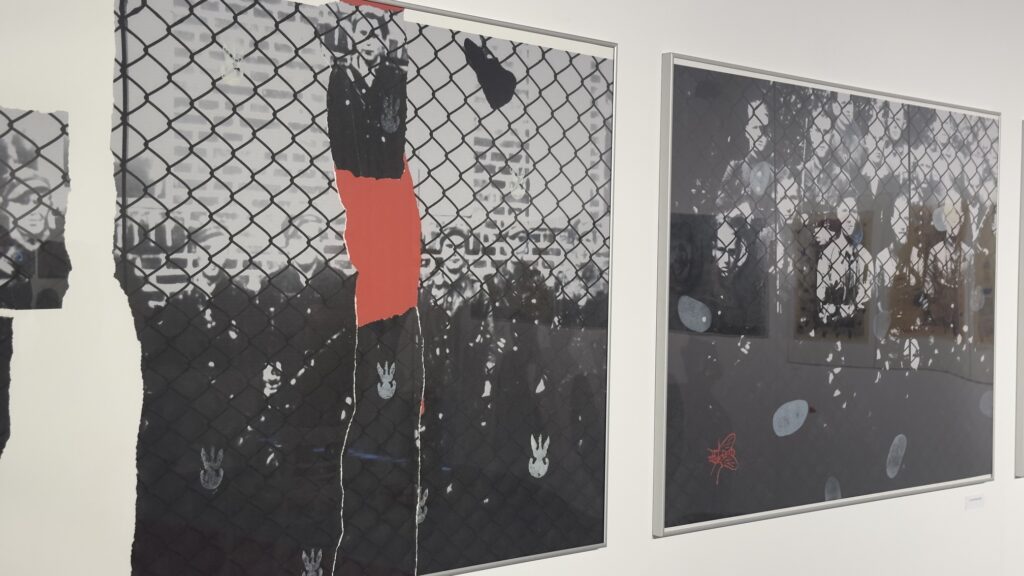
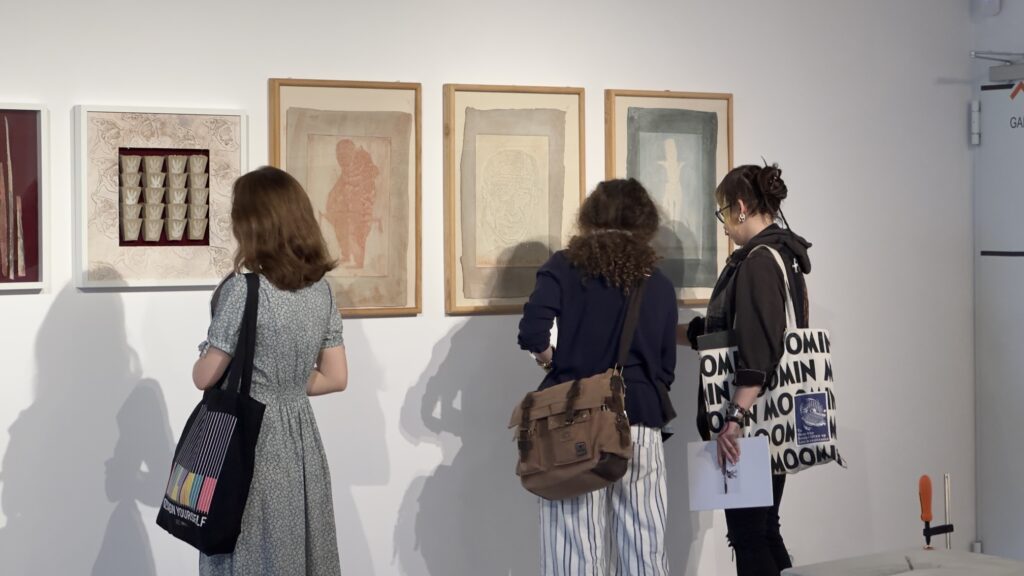
Professor Andrzej Kalina is a key figure not only in Polish graphic art; his work has been featured in numerous exhibitions both in Poland and abroad, for which he has received many prestigious awards. We consider it a particularly significant event that the Professor has been invited to present his works at our UMCS Gallery. This is a unique opportunity for our academic community—and especially for students—to become acquainted with his work at the exhibition titled “On the Road,” which gives them the chance to engage directly with the work of an artist of this stature and his creations.
Andrzej Kalina’s work has been a part of my life for many years—first as an aesthetic experience, later as a personal encounter, and over time as a relationship based on mutual respect
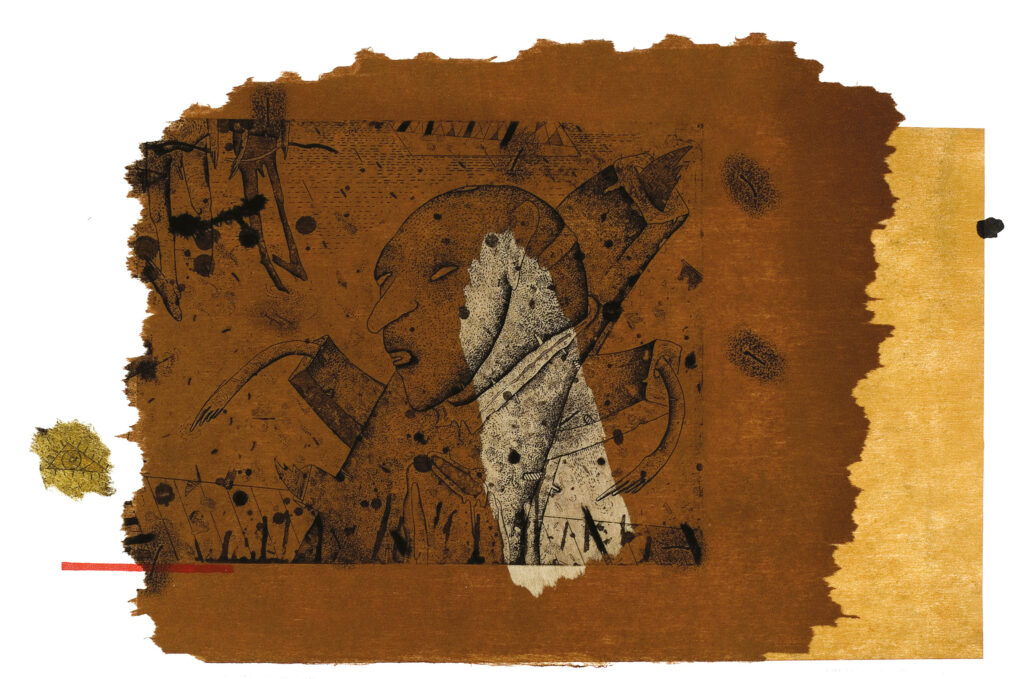
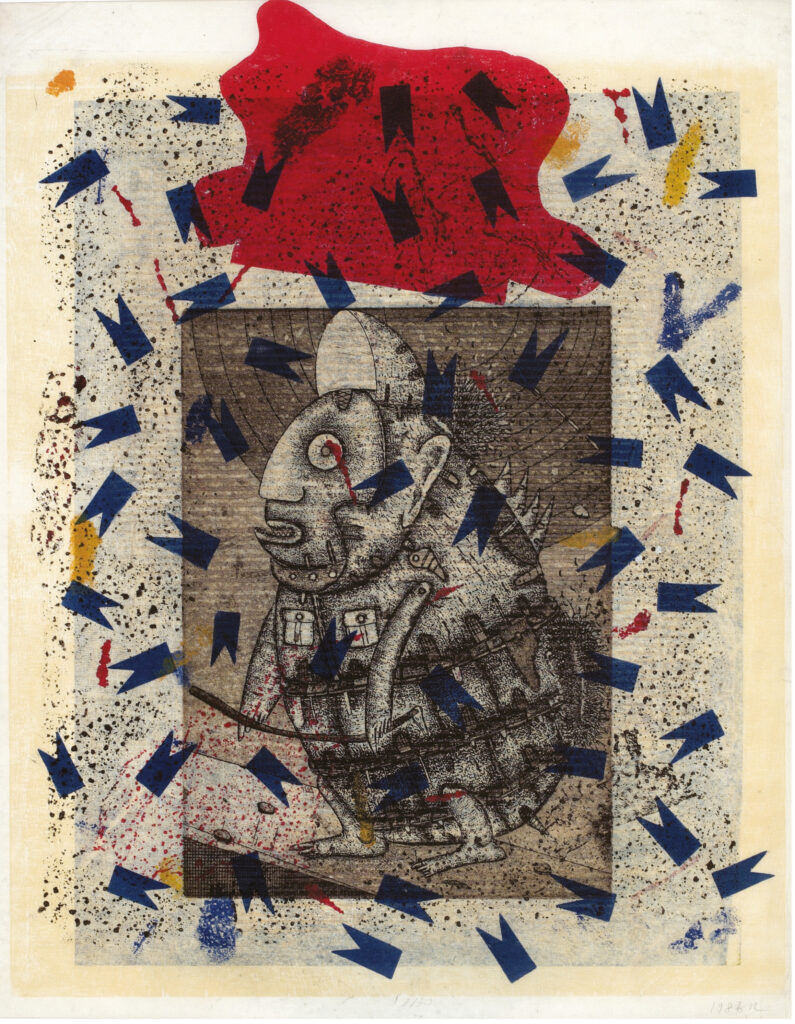
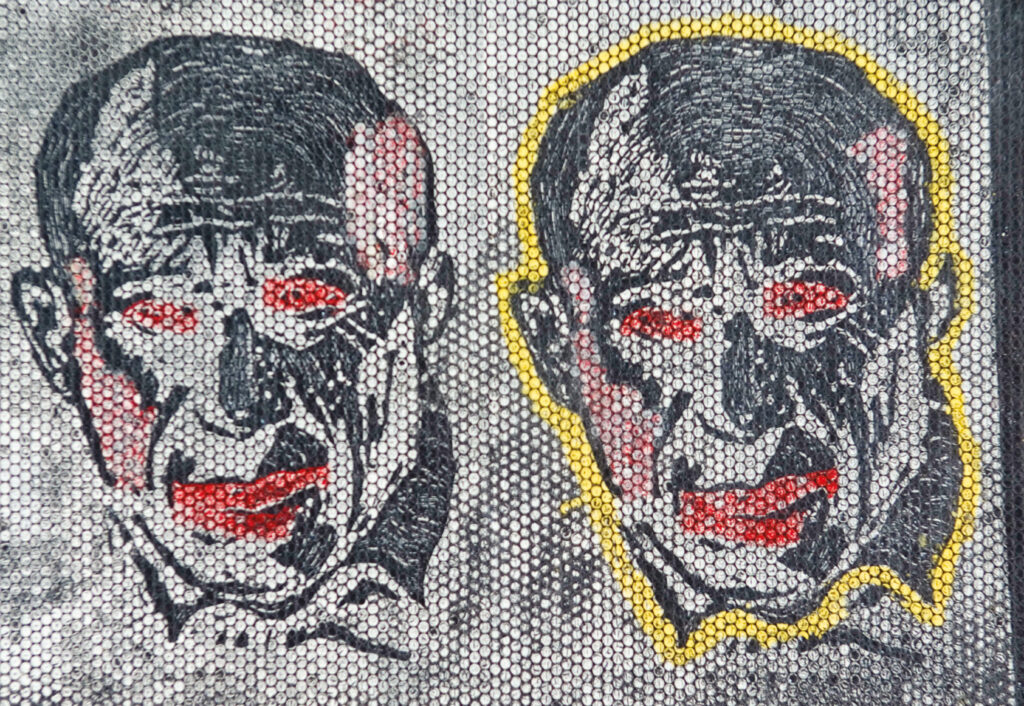
and friendship. I first encountered his prints long before we met in person. I saw them during the International Graphic Arts Triennial in Kraków and at the Polish Graphic Arts Triennial. They stood out immediately—not only because of the material on which he printed his plates, not only because of the color palette, but also because of his distinctive drawing style. They had a magnetic effect on me. They drew me in, compelling me to stop. Looking at the lines, dots, splotches, and streaks of color, one could feel a pulsating energy—a homogeneous, living structure behind which lies an authentic and sincere expression.
I met Andrzej in person during the International Graphic Arts Festival in Kazimierz Dolny—I think it was in 2008. Even then, he was wearing his distinctive, colorful hat, which has become the artist’s trademark. The meeting only confirmed what I had sensed earlier when looking at his work—that behind this art lies a sensitive, attentive, and deeply committed person.
Ever since his college days, his art has consistently focused on the human condition. It often falls within the realm of socially engaged art. This sensitivity is neither a pose nor an artistic strategy—it stems from his upbringing and
the values instilled in him by his family. Andrzej is sensitive to harm and injustice, and this attitude naturally shapes his artistic practice. It has been written that he rebels against clichés and conventions in printmaking. Perhaps. However, I see in this rebellion, above all, awareness and consistency. This is not opposition for the sake of opposition—it is a thoughtful defense of printmaking as a medium with unlimited possibilities.
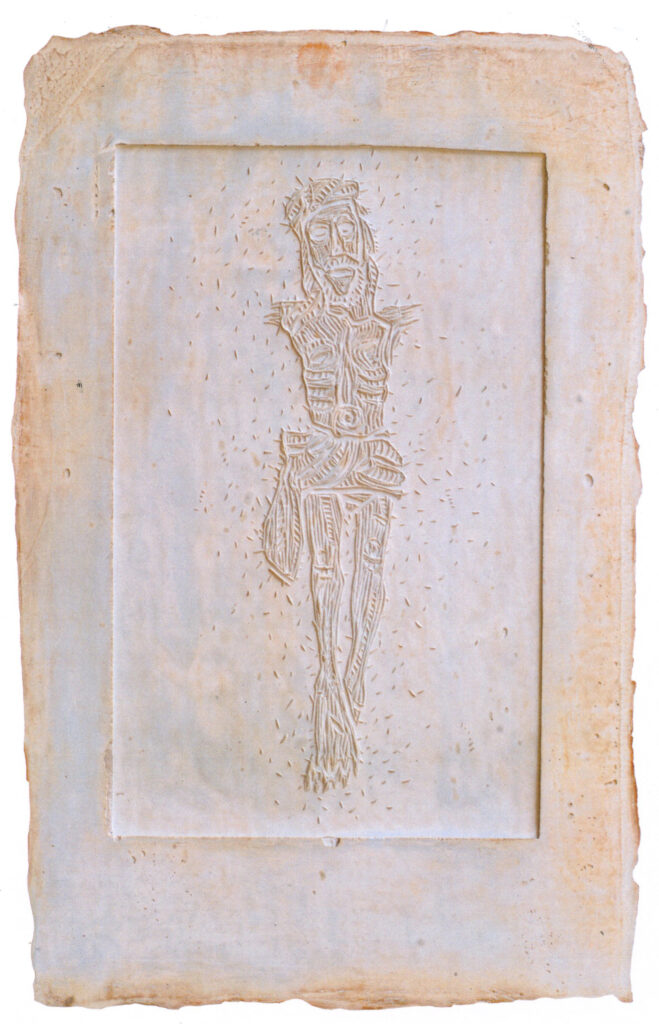
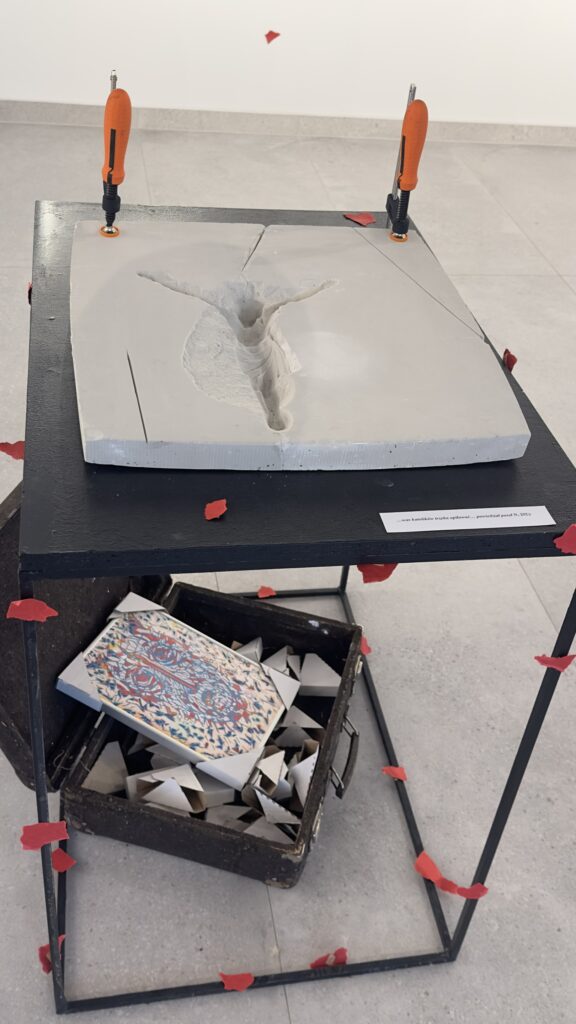
I remember a meeting in his studio when he showed me prints cast in plaster. I was honestly
and pleasantly surprised. It didn’t even occur to me to ask: why plaster? Looking at the prints encased in hard material, covered with a monochromatic patina, I knew the answer was right in front of me. The material wasn’t an experiment for the sake of effect—it was a natural extension of thinking about printmaking as
about space, relief, and a trace preserved in matter.
His solo exhibitions hold a special place in my memory. I haven’t been to all of them, but I consider the exhibition *My Polish Journey* to be one of the most important and representative of his creative path. It showcases an artist who constantly surprises—with his creativity, expressive power, and formal boldness—while remaining true to the path he once chose. This is a rare skill: to evolve without betraying oneself.
Curator of the exhibition "
" Prof. Krzysztof Szymanowicz, Ph.D.