


The fall edition of " Career Fair "PJAIT is coming up tomorrow—October 22!


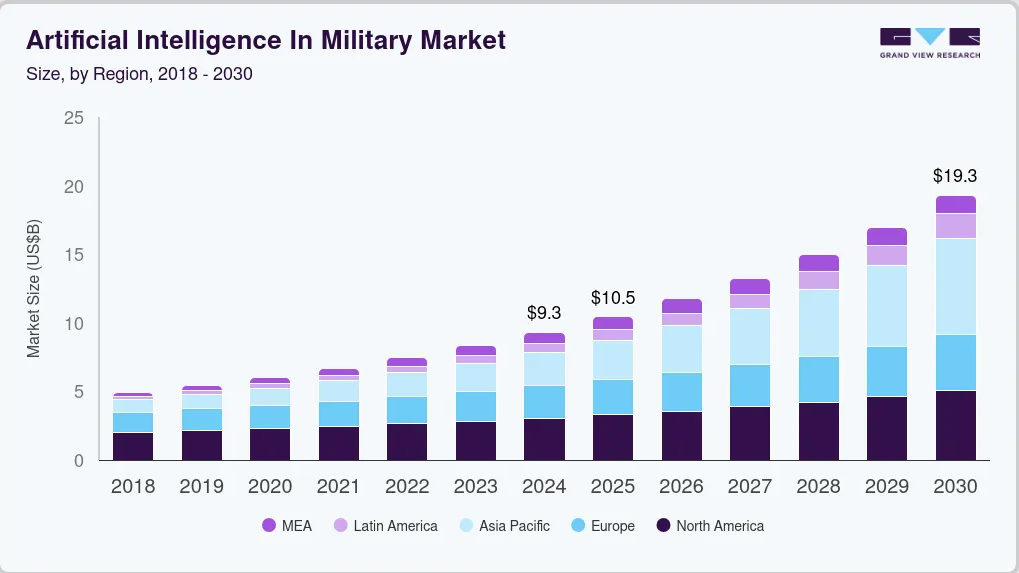
Artificial intelligence (AI) is fundamentally changing the face of modern warfare and defense systems around the world. From autonomous weapons systems to advanced cyber security networks, AI technologies are becoming an indispensable part of the military strategies of major powers. This technological transformation not only enhances the operational capabilities of the armed forces, but also poses new ethical, strategic, no and financial challenges. Global investment in military applications of AI reached $9.31 billion last year and is expected to grow at an annual rate of 13% through 2030.
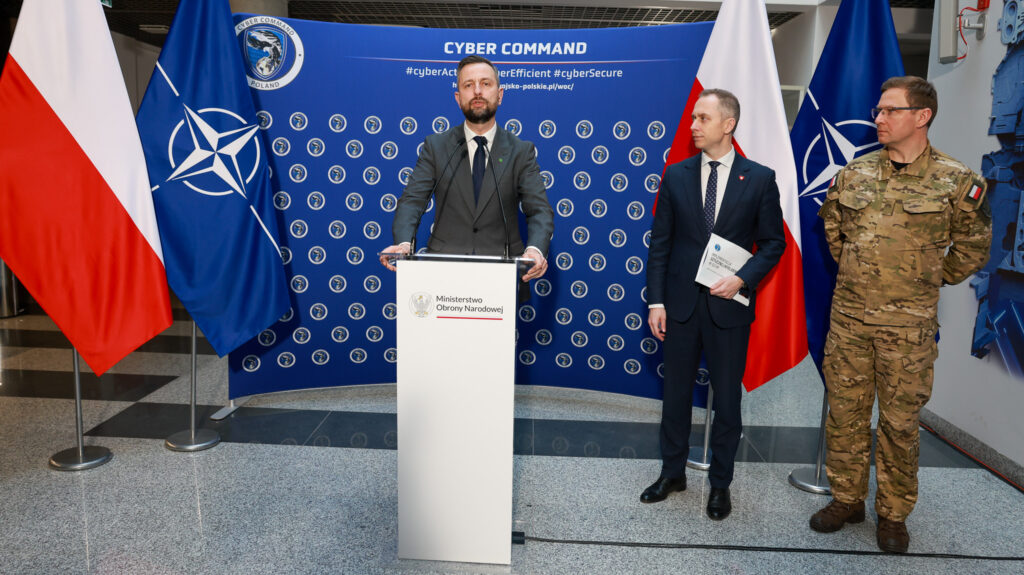
Importantly and relevant in the context of our country's current geopolitical situation, Poland is also actively involved in this technological race, establishing an Artificial Intelligence Implementation Center within the Cyber Defense Forces in March 2025.
Deputy Defense Minister Cezary Tomczyk:
On average, we have 5,000 attacks on our military networks per year. Statistically, there is an attack on Polish military networks every two hours. It is the Polish soldiers who defend us from this - from exposing sensitive information and compromising our military networks. This is the key task today. Artificial intelligence is the future, but the future starts now - it's happening here and now. We need to be in the vanguard, we need to be at the forefront when it comes to artificial intelligence and the implementation of key solutions.
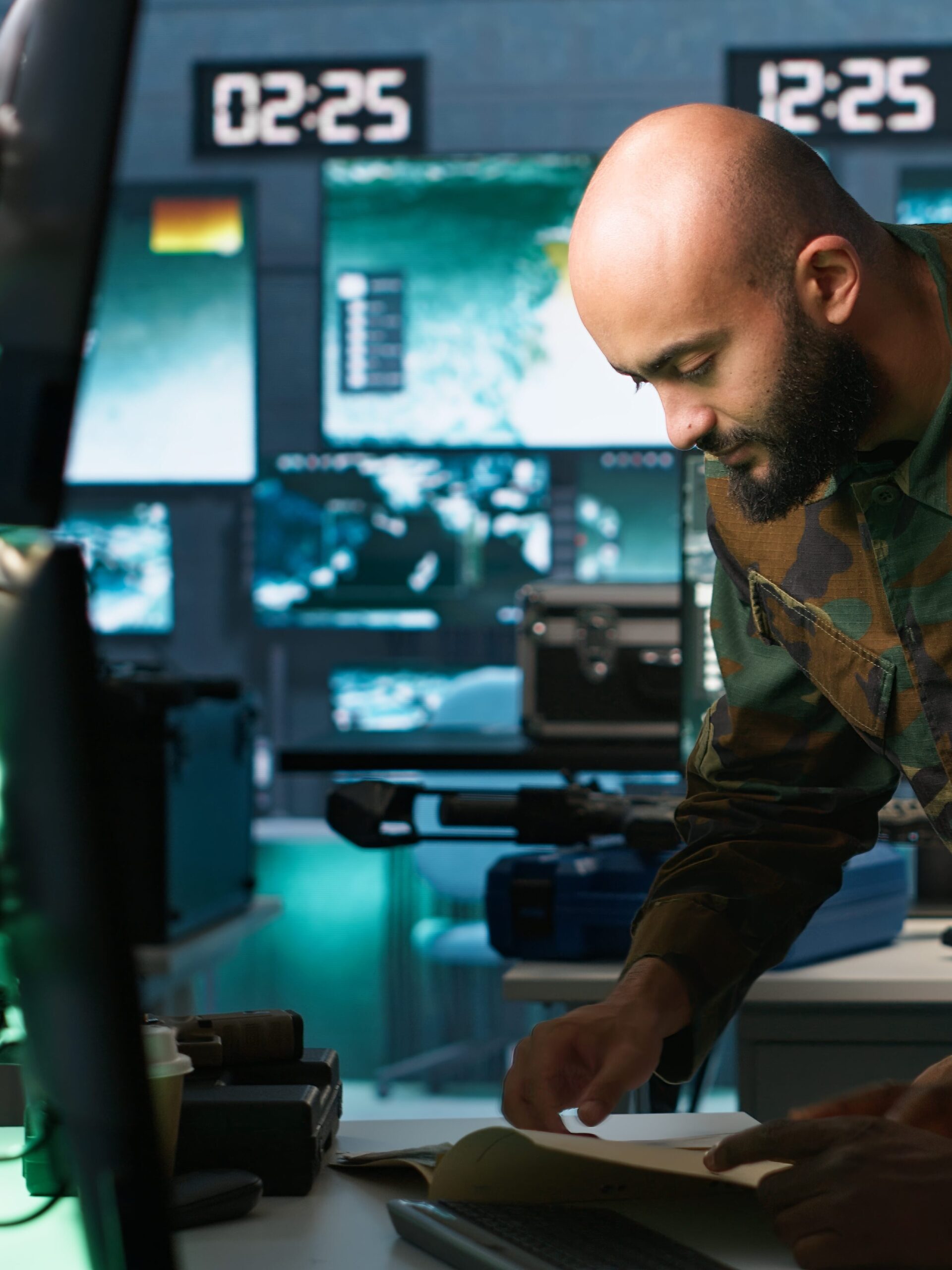
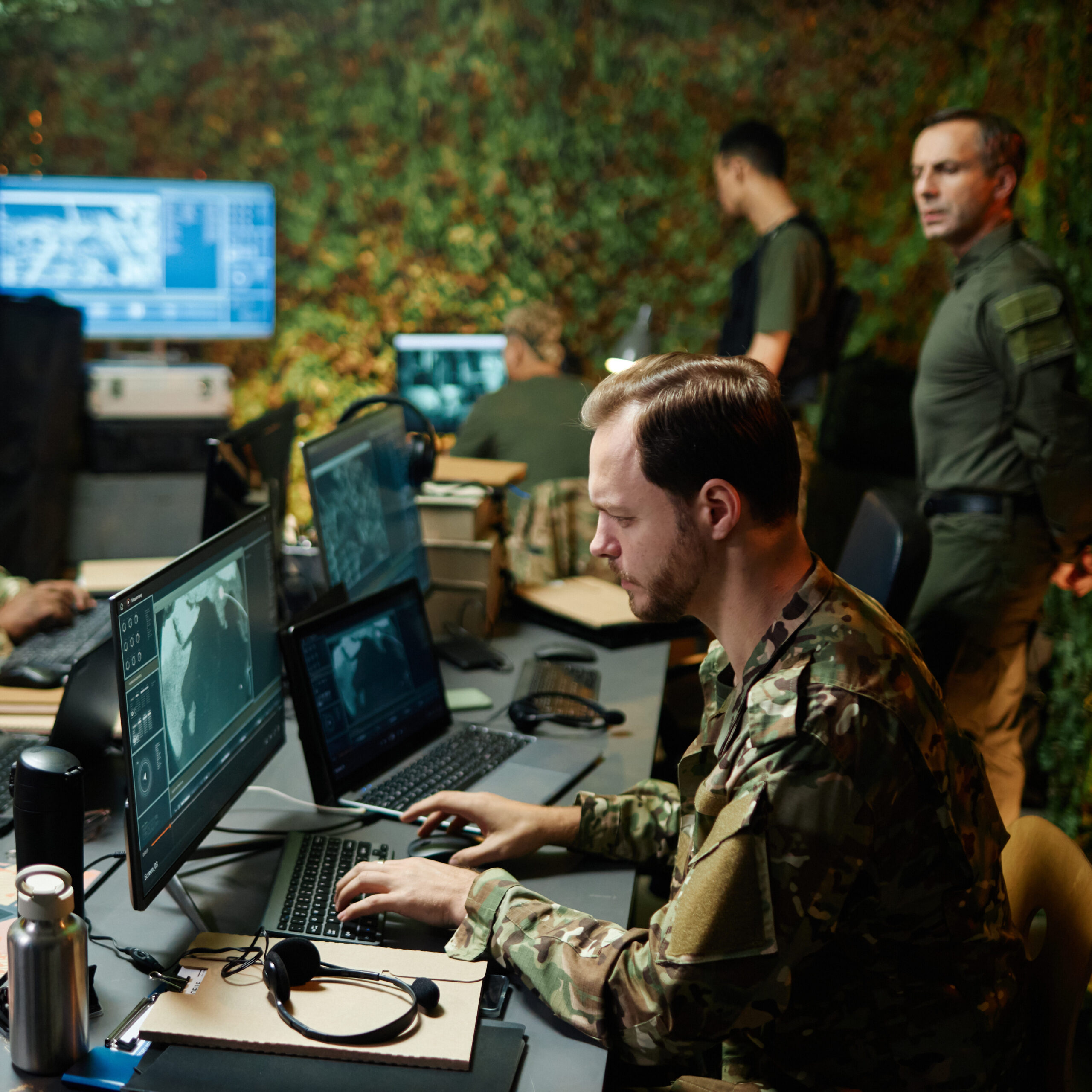
One of the key areas of AI use in the military is intelligence , surveillance, and reconnaissance (ISR) data analysis. AI algorithms are able to process vast amounts of information from satellites, drones or cameras in real time, faster than a human, pinpointing potential targets and detecting unusual events.
An example is Project Maven, developed by the Pentagon and now managed by the National Geospatial-Intelligence Agency. The solution can automatically recognize objects in surveillance images, significantly shortening their analysis.
In the Polish military, intensive work on the application of artificial intelligence in reconnaissance systems is being carried out by the DKWOC (Cyber Defense Forces Component Command, mentioned at the beginning ), and is being carried out using unmanned aerial vehicles (the most numerous representation here are the Polish FlyEye drones). Data from the drones are sent in real time to command posts, where they are analyzed by a pre-trained AI model.
The development of autonomous weapon systems (AWS) represents one of the most controversial but strategically important AI applications in the military. These systems use machine learning, advanced sensors and data analytics to identify, track and attack targets fully autonomously, essentially without human intervention. Hence the concern over the risk of misclassified threats or unwarranted use of AWS in the public space.
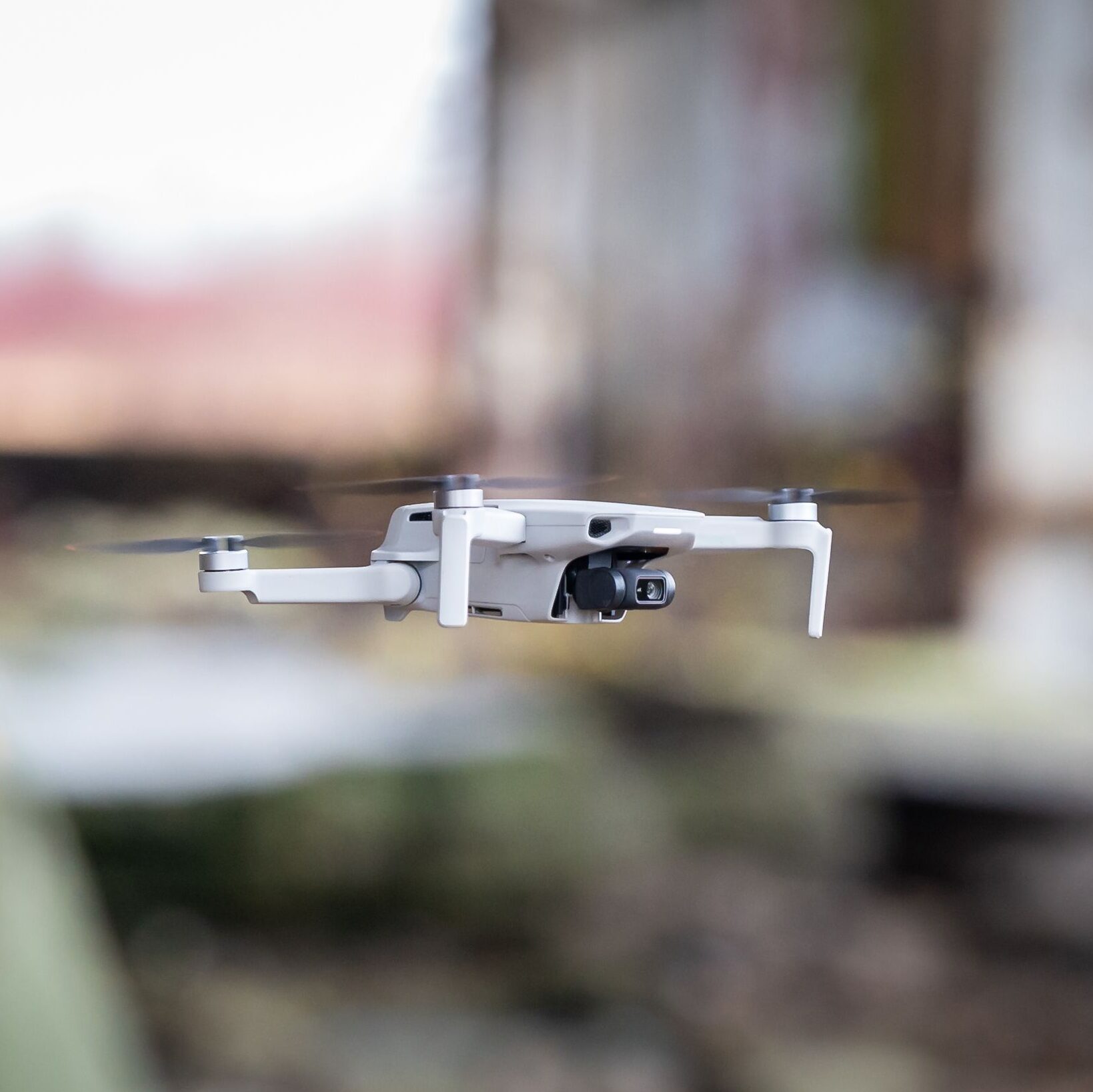
Autonomous weapon systems are not just individual machines, but entire classes of technologies that use artificial intelligence to conduct combat operations without constant human supervision. Most prominent among them are drones and Unmanned Aerial Vehicles (UAVs), which can operate both independently and in organized swarms. With this formation, the machines are able to monitor and patrol vast areas, instantly share information among themselves and dynamically adjust their maneuvers to the battlefield situation based on real-time data from sensors and reconnaissance systems.
The second element is smart missiles equipped with artificial intelligence algorithms. Unlike traditional ones, whose trajectory is determined before launch, modern missiles can modify their flight path depending on incoming data. This means they can evade missile defense systems, change course to avoid interception, and track and attack moving targets more effectively. Such solutions increase the precision of strikes and make it more difficult for opponents to defend themselves effectively.
As a result, these types of assets are creating an increasingly complex weapons ecosystem, in which machines' ability to adapt and make decisions on their own is becoming as important as their firepower or operating range.
Here, a prime example of autonomous combat systems will be DARPA' s Air Combat Evolution (ACE) program, where it was in 2020 that AI defeated an experienced F-16 pilot in a 5-0 virtual air combat, and in 2023 AI piloted an X-62A in a real air combat against a human-piloted F-16.
Returning here to the Polish army, it is impossible not to mention the groundbreaking FEX-2024 experimental exercises in Nowa Dęba, where a futuristic combat robot was tested. PIAP HUNTeR - weighing nearly 4 tons, an unmanned land vehicle equipped with the ZMU-03 Remote Armament Module with a 12.7mm rifle.
The robot is widely used, both for reconnaissance in the field and as fire support.
Cyberspace has evolved into a key area of conflict, and artificial intelligence is playing a central role in it - both in defensive and offensive aspects. AI algorithms oversee military infrastructure, instantly identifying intrusions or unusual activity in systems. Cyber attacks are not uncommonly based on hidden patterns and signatures present in the vast data stream, which AI can detect thanks to its advanced pattern analysis capabilities.
As General Aymeric Bonnemaison, commander of France's Cyber Defense Command, stressed, "There is no cyber defense without AI and there is no AI without cyber defense." AI systems can detect abnormal behavior that may indicate malware infiltration or phishing attempts, identify vulnerabilities often overlooked by traditional security methods, and provide real-time alerts, enabling rapid response to security incidents.
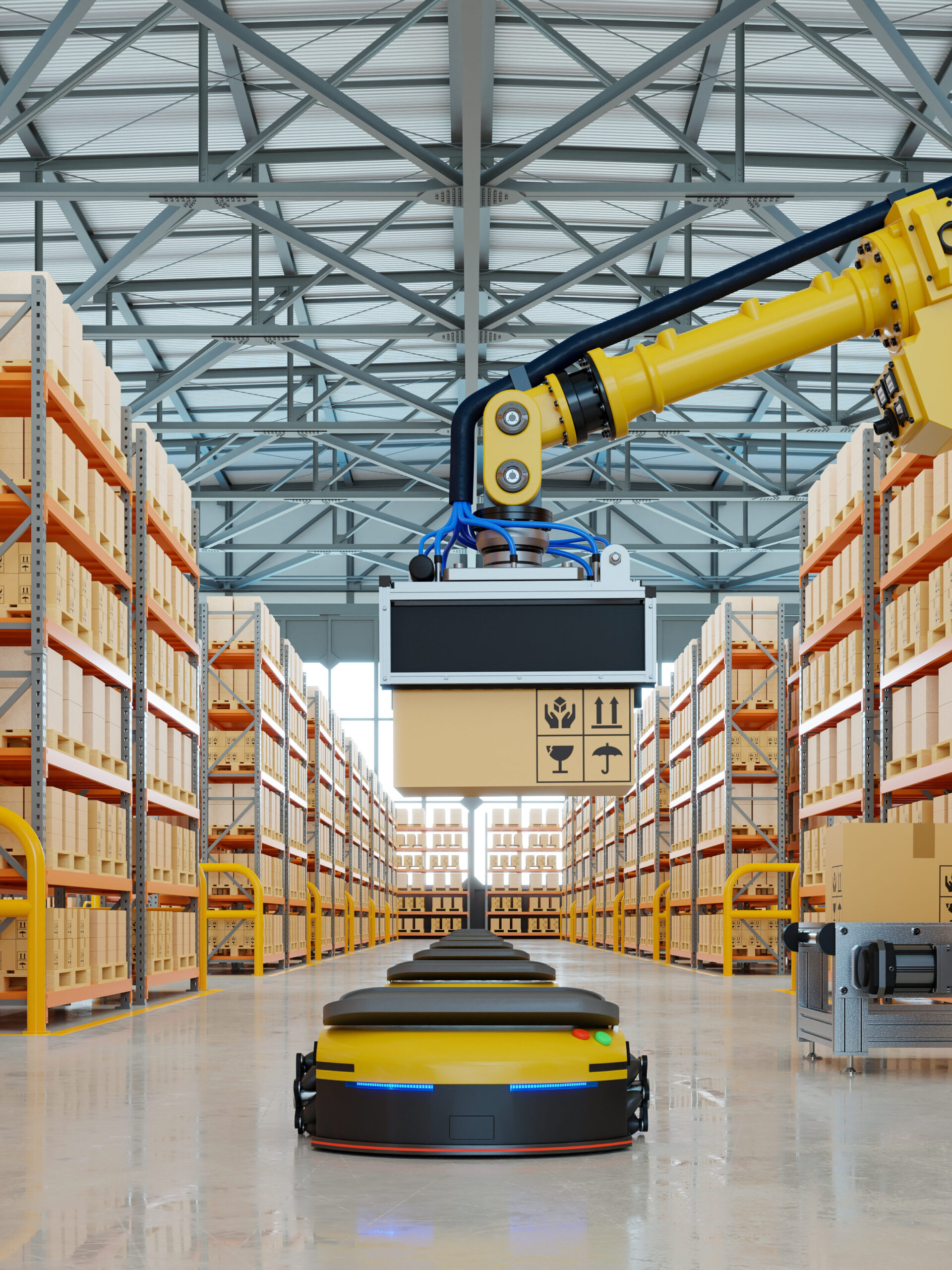
Artificial intelligence is increasingly entering the field of military logistics, completely changing its face. It makes it easier to plan and allocate resources, anticipate soldiers' needs and automate complex delivery processes. A good example is the Defense Logistics Agency (DLA), which has implemented as many as 55 AI models covering more than 200 practical applications. The result is one of the most modern and complex procurement systems in the world, based entirely on artificial intelligence.
Modern AI algorithms can analyze gigantic amounts of data at lightning speed and then suggest what supplies need to be secured and when. This means greater confidence that everything from food to vehicle parts will get to where they are needed most on time. What's more, predictive analytics can predict when equipment is likely to fail. As a result, you don't wait until a vehicle breaks down - the right parts can be replaced earlier, which realistically increases the efficiency and readiness of military units. An example of such a predictive system is the Predictive Analytics and Decision Assistant (PANDA) project developed by the US Air Force.
Poland is actively developing its AI capabilities in the defense field. The Ministry of Defense last year published a comprehensive artificial intelligence strategy until 2039, which aims to strengthen our country's position as a significant player in the rapidly changing digital military security environment. The document sets directions for the responsible development and implementation of AI in the Polish Armed Forces, enabling the use of the latest technologies to improve their effectiveness and strategic advantage.
The strategy focuses on several key areas of AI application in military operations. These include autonomous combat systems, such as unmanned aerial, land and sea platforms, which enhance operational capabilities without compromising personnel. Another important aspect is intelligence and reconnaissance, where AI supports advanced analysis of large data sets, pattern recognition and rapid threat detection.
The strategy also underscores the role of artificial intelligence in logistics through the deployment of predictive maintenance and supply chain optimization systems, and in cybersecurity, where AI drives automated detection and response to online threats.
In turn, the Center for Implementation of Artificial Intelligence (CISI), mentioned at the outset, established within the Cyber Defense Forces Component Command, will be responsible for the development and implementation of AI technologies in key operational areas of the armed forces, including intelligence and reconnaissance data analysis, autonomous combat systems, decision support and logistics optimization.
On September 17, 2025, the Polish-Japanese Academy of Information TechnologyPJAIT) in Warsaw will host a key event for the industry - AI Summit PJAIT 2025. This prestigious conference on the future and aspects of the development of artificial intelligence and its challenges provides a platform for experts, researchers, practitioners and enthusiasts who share a common interest in AI.
Particularly relevant in the context of this article is the panel discussion "AI AND SECURITY," which will focus on some of the issues we discuss in this article - the application of artificial intelligence in defense and military systems. During this block, experts from the defense industry will discuss the latest trends, challenges and opportunities that AI creates for today's armed forces.
We encourage everyone interested in the future of AI - not only in defense - to attend this unique event. More information and registration are available on the AI Summit PJAIT 2025 website.
The future of artificial intelligence on the battlefield is not only a matter of innovative technology, but also a huge ethical and organizational challenge. By the end of this decade, AI could become a key component of decision-making, logistics and tactical operations, redefining the rules of conflict.
However, in order to realize its full potential while minimizing risks, defense organizations must prioritize the creation of a robust ethical framework, transparent accountability mechanisms and the development of international cooperation.
In March 2020, a Turkish Kargu-2 drone in Libya probably carried out an attack fully autonomously for the first time in history, without an explicit human order. This event has become a symbolic turning point, demonstrating a fundamental transformation in the way wars are conducted.
While artificial intelligence offers significant benefits - greater precision, speed of response or reduction of threats to soldiers - its development and implementation require strict regulation and ethical oversight. Only then can AI become a tool that not only improves defense effectiveness, but also remains consistent with the principles of responsible and humane use of technology.