

Exhibition of Works by Part-Time Students NeMA

Web 3.0 (Web3), also known as Internet 3.0, is a groundbreaking concept for a new generation of the World Wide Web that is set to completely transform the way we use digital space.
Unlike the current Web 2.0 model, where tech giants control user data, Web 3.0 aims to return to the original vision of the Internet's creator, Tim Berners-Lee, based on the principles of decentralization, privacy, and full user control over their own data.
What is Web 3.0? This question is coming up more and more often in discussions about the future of the Internet. Web 3.0 is the third generation of Internet technologies, built on blockchain technology , artificial intelligence, and decentralized protocols.
This vision involves creating an open network in which users not only consume and create content, but above all have control over their data and digital resources. The key difference from previous generations is the elimination of centralized intermediaries—corporations that collect, analyze, and monetize user data without their full control.
The first generation of the Internet spanned the years 1990-2005. Websites at that time were static, based on basic HTML, with limited user interaction and minimal multimedia content. Users could only read information, and the main technologies were simple servers and hyperlinks.
The Web 2.0 era,which began in2005, brought about a revolution in interactivity. Facebook, Twitter, YouTube, and other social media platforms enabled users to create, share, and co-create content. However, this model has brought significant drawbacks that we still face today, namely the centralization of power in the hands of a few corporations that have taken control of the data of billions of users, which has given rise to many problems with privacy, censorship, and monopoly.
Internet 3.0 is a response to the shortcomings of the previous generation. This vision, defined by Tim Berners-Lee as a "semantic web," assumes a return to decentralization. Web 3.0 is not only supposed to enable reading and writing, but above all , control over one's digital assets. Thanks to blockchain, smart contracts, and cryptocurrencies, users will regain control over their digital identity and resources.
Without a doubt ,blockchain technology is the cornerstone of the Web 3.0 concept . It enables data to be stored in distributed networks of nodes, eliminating the need for central servers and intermediaries. Thanks to cryptographic security, the data becomes resistant to manipulation and unauthorized access.
Smart contracts are self-executing agreements encoded in computer code ona blockchain. The essence of how they work lies in full automation—when the parties to the contract meet specific conditions (e.g., deliver goods or transfer money to a specified address), the smart contract automatically triggers the planned actions without the need for human intervention.
All nodes in a blockchain network verify the terms of the contract and reach consensus on the outcome, eliminating the need for a central arbiter or other intermediaries.
Web 3.0 integrates AI and ML to analyze user preferences and deliver personalized content without the need to collect data in centralized databases. Natural language processing, in turn, allows computers to better understand and interpret human intentions.
Cryptographic tokens, including NFTs (non-fungible tokens), form the basis of the Web 3.0 economy. NFTs enable ownership of unique digital assets —from art to virtual real estate—with transparent proof of ownership recorded on the blockchain.
Studies in the field of computer science at the Polish-Japanese Academy of Information Technology prepare students for the professions of the future, including working with Web 3.0 technologies. The program not only familiarizes students with the latest artificial intelligence (AI) tools, but above all prepares them to be leaders in shaping innovation in IT.
Students at PJAIT have access to facilities equipped with over 1,000 computer workstations, specialized VR, audio-video, computer networking, and robotics labs, as well as cloud computing resources and, in select courses, AI assistants. area Specializations include, among others, intelligent systems and data science (machine learning, data analysis, Python, AI), cybersecurity (cryptography, penetration testing, forensics), and cloud computing management (working with AWS/Azure/GCP, DevOps, Docker, Kubernetes).
Knowledge of what Big Data is and how to become a Big Data analyst is also crucial in the context of Web 3.0, where huge amounts of data are generated and processed in a decentralized manner. Big Data allows for the discovery of patterns, trends, and hidden relationships, which is of great importance to many industries. The future of Big Data is inextricably linked to advances in machine learning and artificial intelligence, creating synergies that open up new opportunities for analytical solutions with extraordinary precision and speed.
Web 3.0 enables the creation of decentralized financial systems that operate without banks or other intermediary financial institutions. Users can borrow, invest, and transact directly, with full control over their assets.
Decentralization paves the way forDAOs— community-managed organizations based on voting and tokens. This revolutionary approach could change corporate structures and decision-making processes.
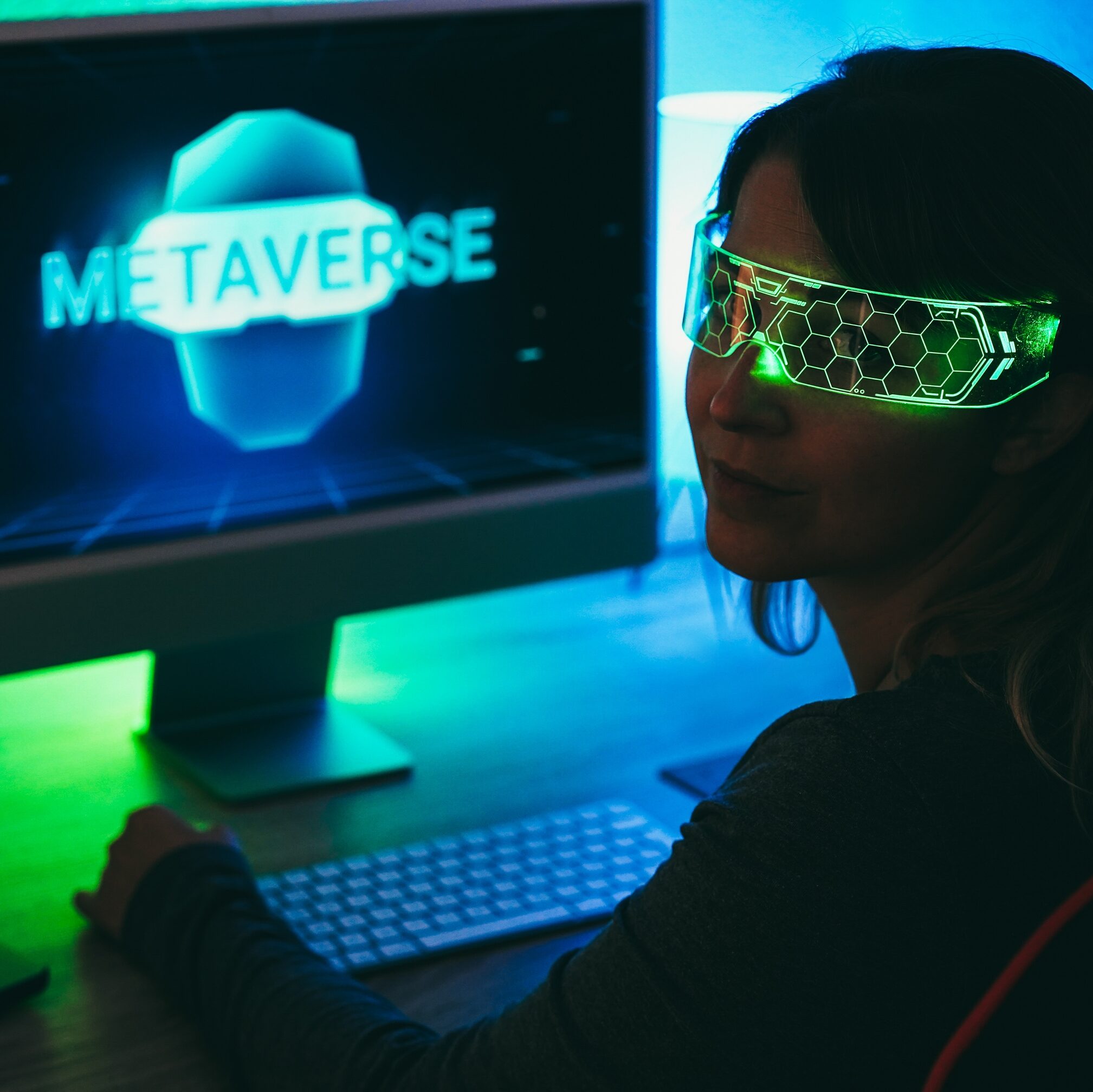
Web 3.0 may also contribute to the development of fully decentralized virtual worlds, where users own their own assets, real estate, and digital identities in the form of NFTs.
Web 3.0 is not just another version of the internet—it is a fundamental shift in the philosophy of digital space. This concept promises users full control over their data, privacy, and digital ownership, eliminating intermediaries and centralized monopolies. However, the road to mass adoption requires overcoming significant technical, educational, and regulatory challenges.
High energy requirements, infrastructure costs, security issues, and regulatory problems are the main barriers that must be overcome for the vision of a decentralized Internet to become a reality.
The future of Web 3.0 depends on the tech community's ability to create user-friendly solutions that preserve the advantages of decentralization while ensuring security, scalability, and accessibility. As this technology matures, we can expect gradual integration with existing Web 2.0 systems, which should ease the transition and increase the reach of the decentralized Internet.
It is also important to note that developing skills in Web 3.0 technologies—including knowledge of blockchain, artificial intelligence, machine learning, andbig data analytics—is becoming increasingly important for future IT professionals. Our academy offers curriculum in the field of computer science, tailored to market trends, preparing students to work with modern technologies and tools that will shape the future of the digital world.