
What is cryptography? How does mathematics protect the digital world?


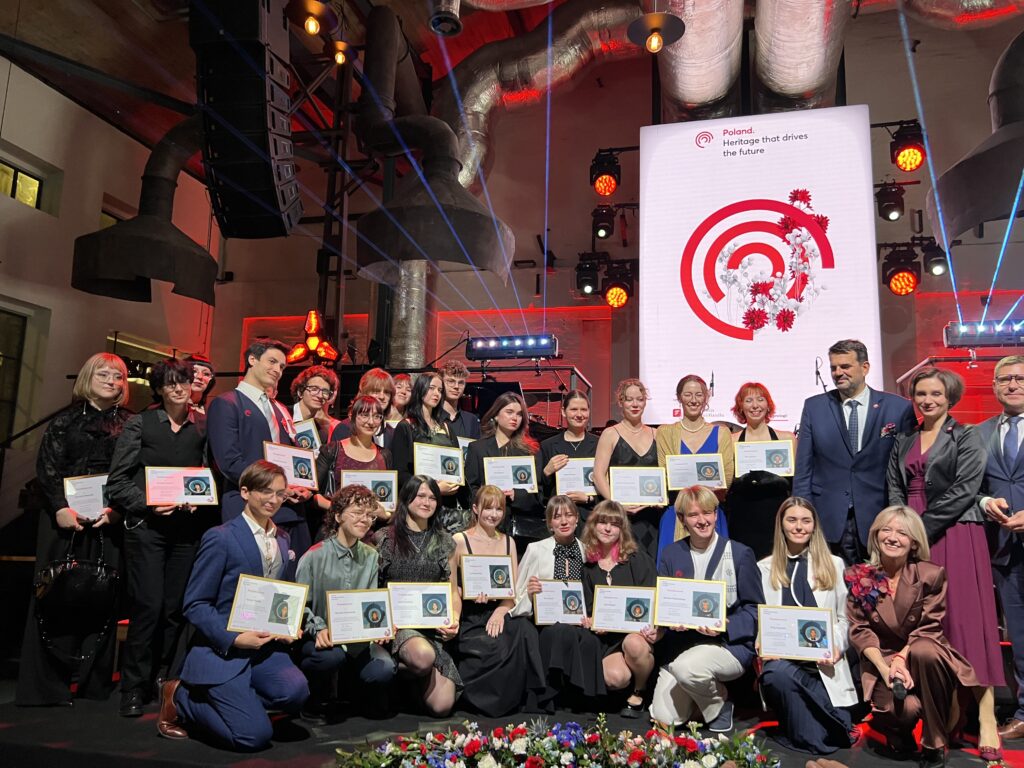
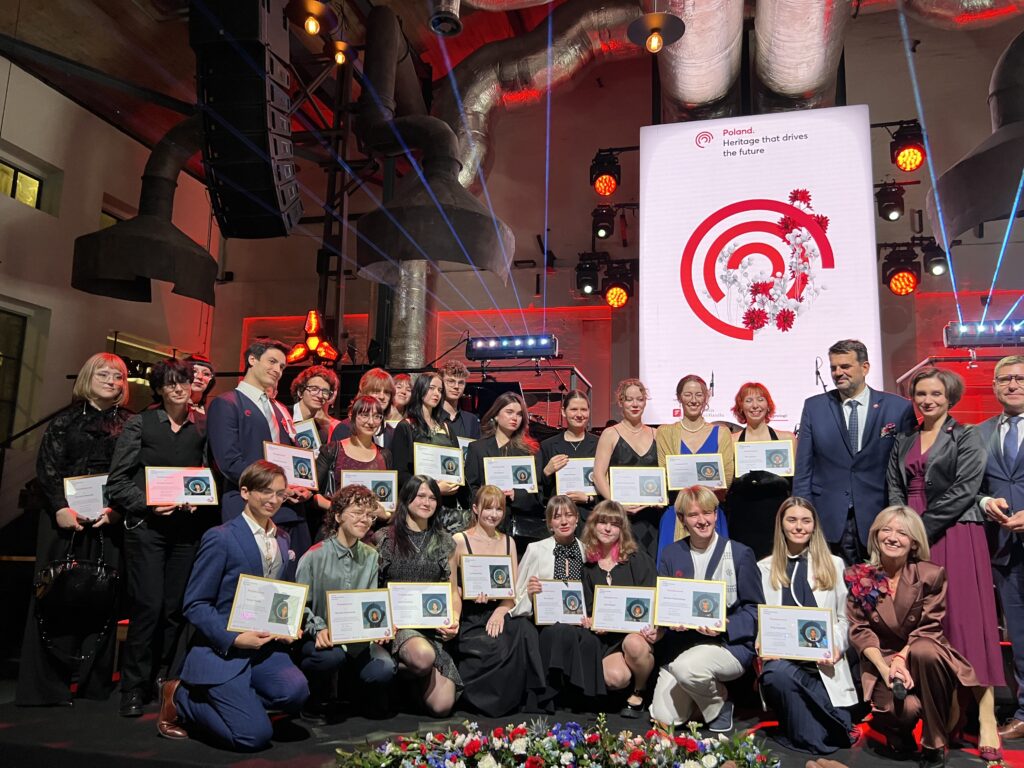
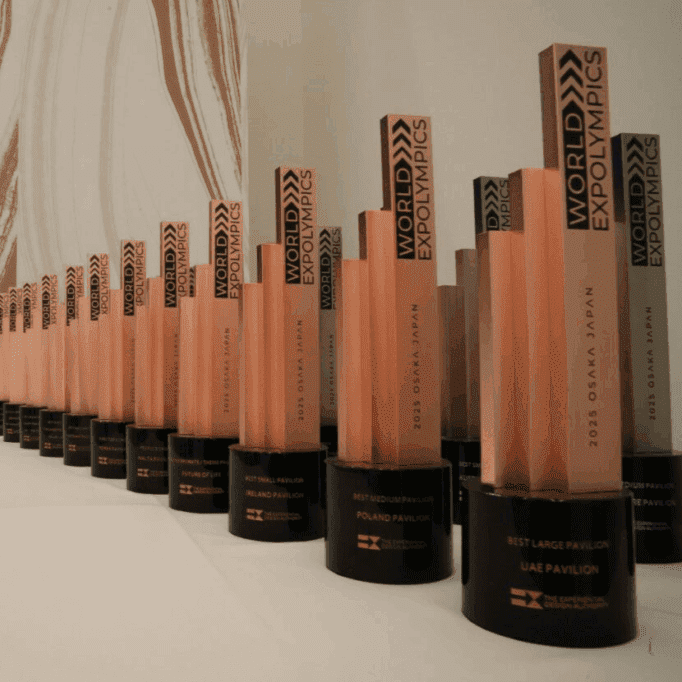
Poland concluded its participation in the EXPO 2025 Osaka World Expo with spectacular success. The Polish Pavilion was visited by more than 1.3 million visitors, and the exposition was honoredwith the prestigious BIE (Bureau International des Expositions) Gold Award in the medium-sized pavilion category.
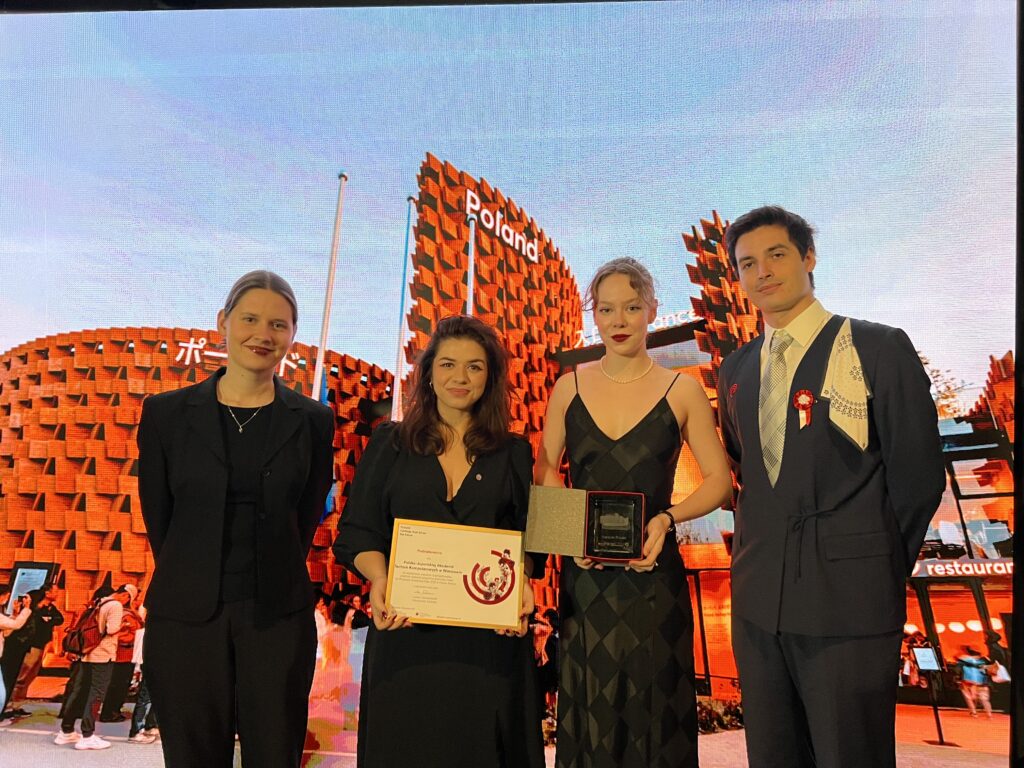
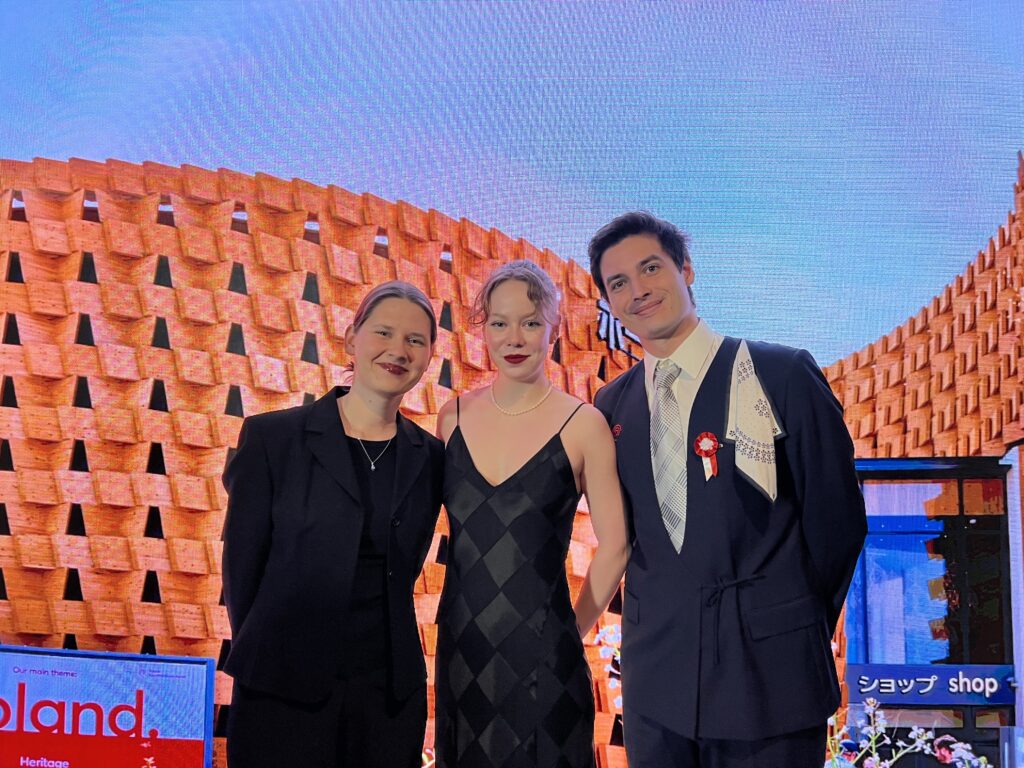
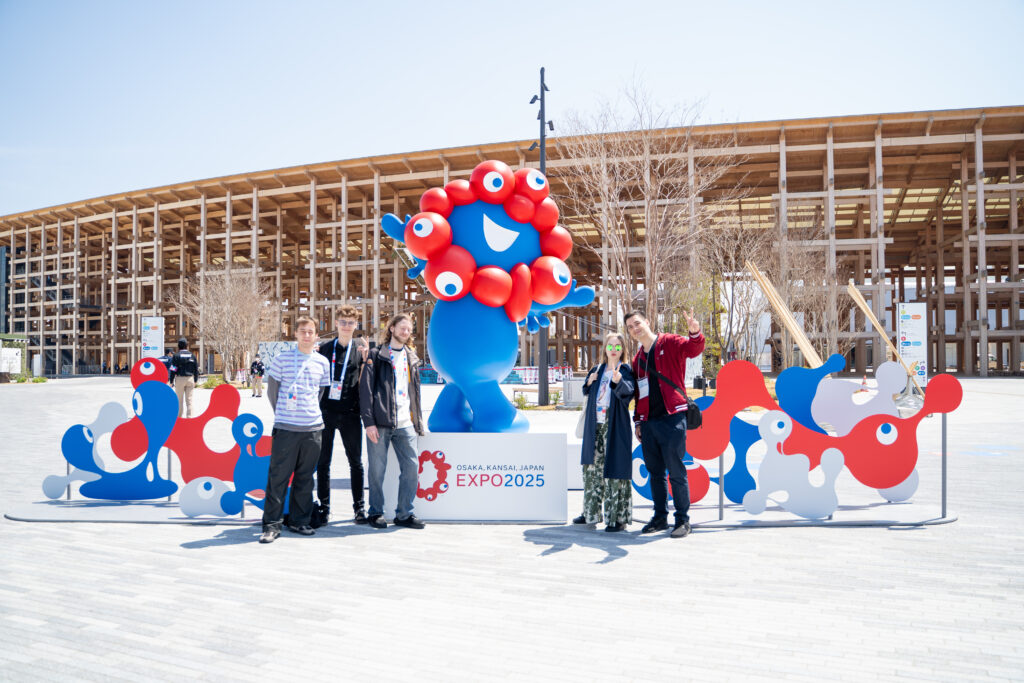
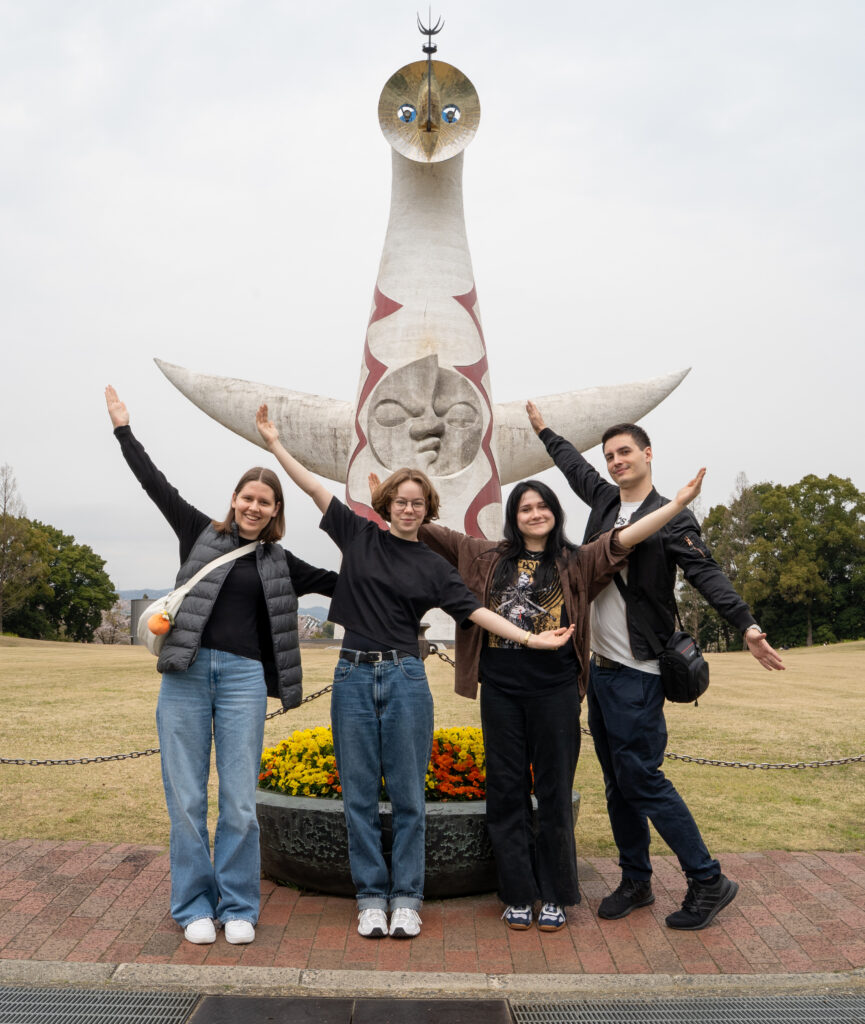
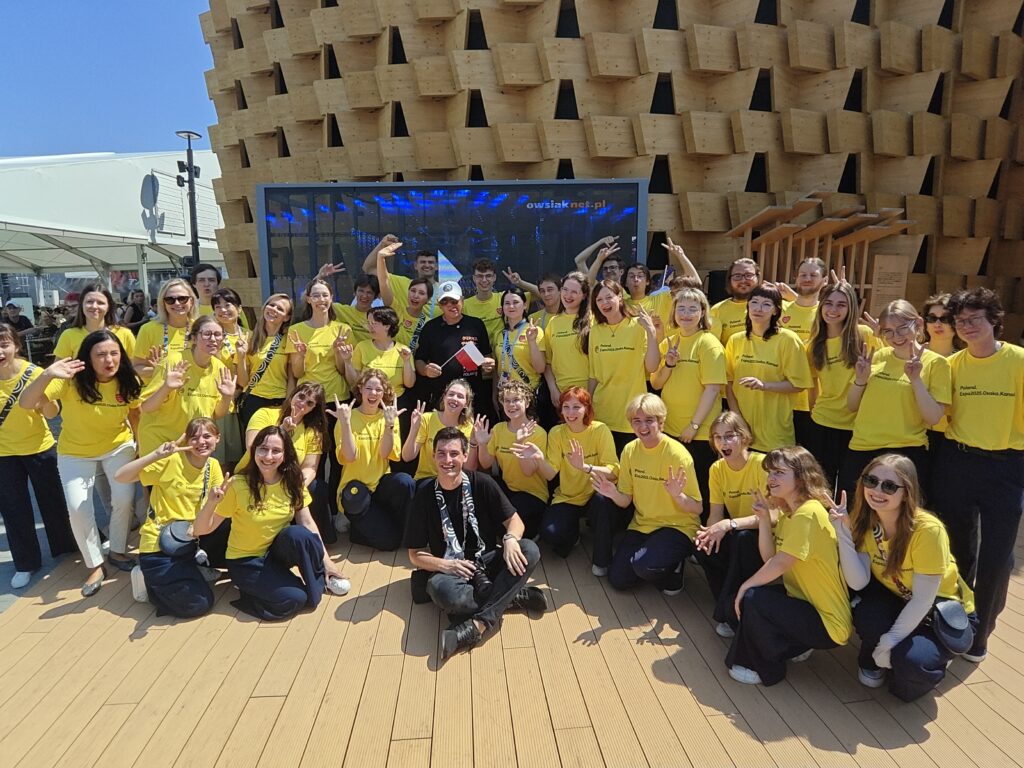
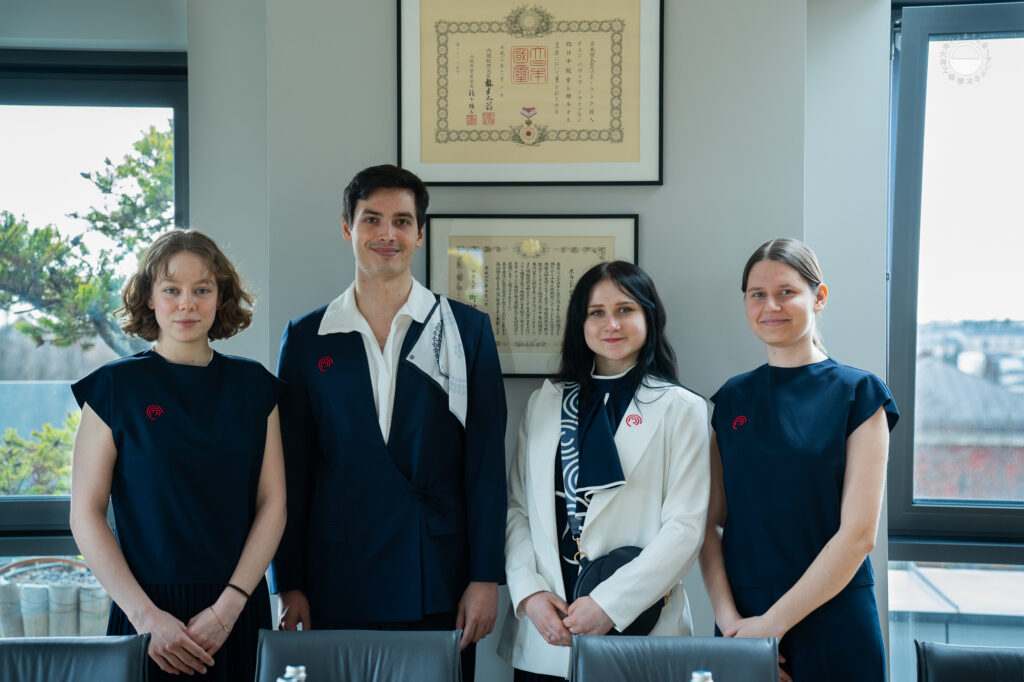
Among those who co-created this success for six months were four students from the Polish-Japanese Academy of Computer Technology, who represented Poland in the heart of Japan as volunteers.
EXPO Osaka 2025 was held from April 13 to October 13 on the artificial island of Yumeshima in Osaka. It was attended by 170 state delegations and international organizations, and the exhibition grounds were visited by some 28 million visitors.
Poland was one of 40 countries with a stand-alone pavilion that received wide recognition - in terms of architecture, cultural offerings and business programs. The main emphasis of the exhibition was on portraying Poland as a dynamically developing country, ready for dialogue and creative cooperation on the international arena, and the keynote of our presence at the EXPO was "Poland. A heritage that drives the future."
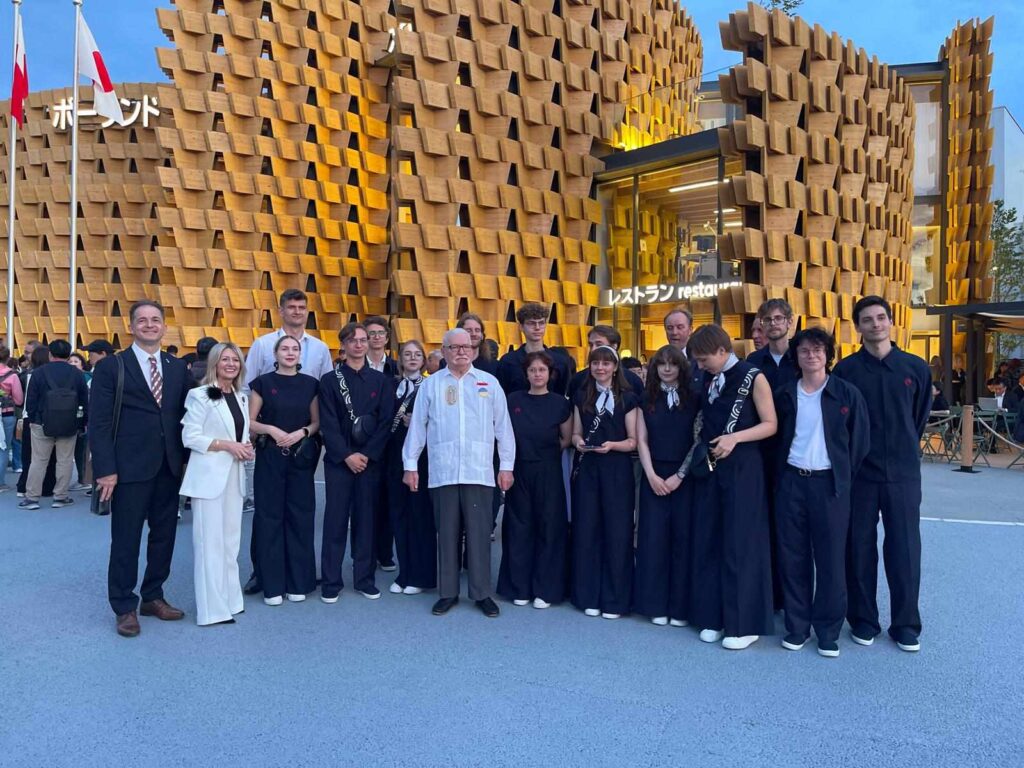
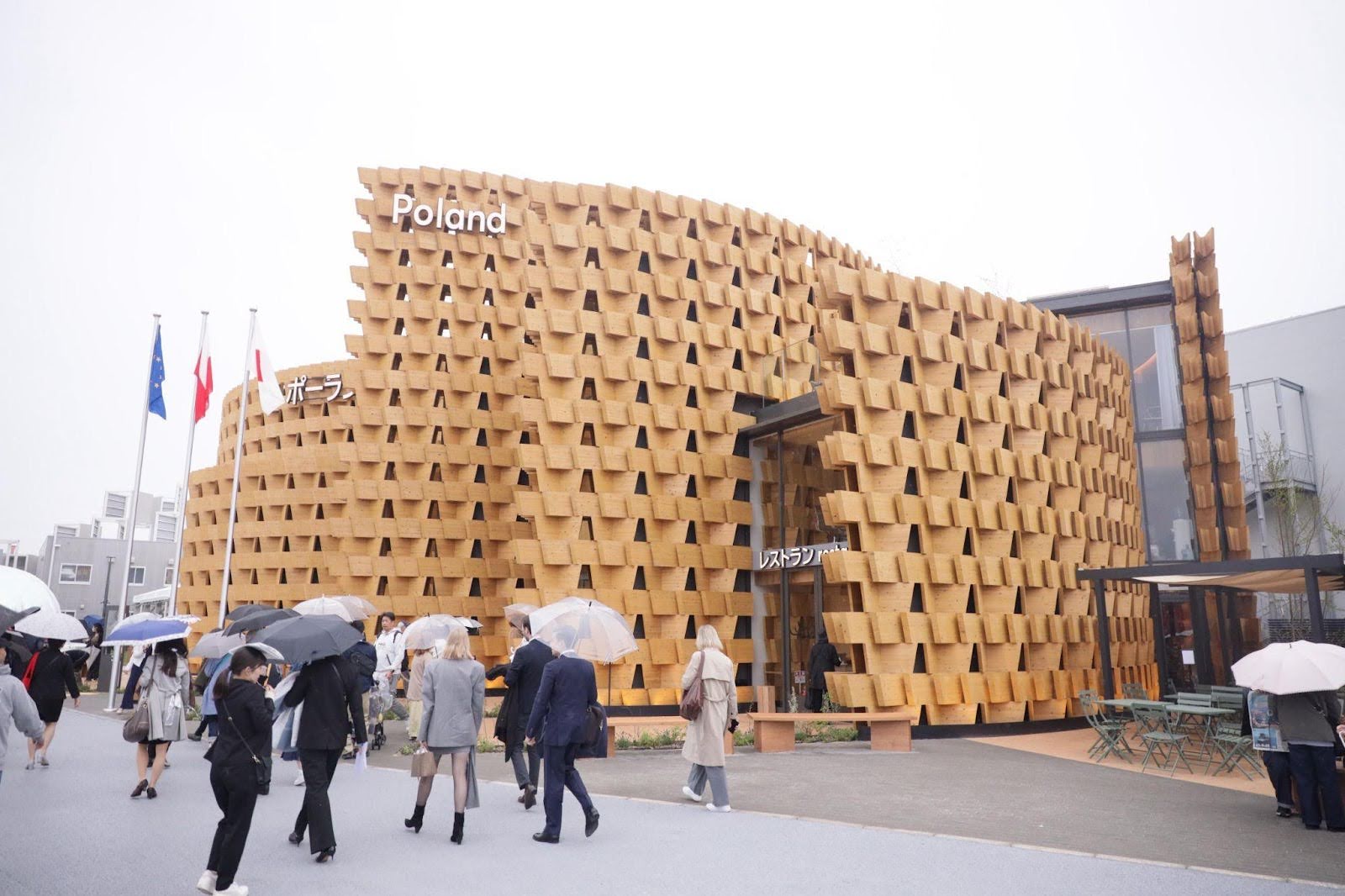
The Polish Pavilion, located in the "Saving Lives" zone with an area of about 1,000 sq. m., was realized in the spirit of modernity, through the use of organic wooden forms and traditional "Kigumi Koho" construction techniques. The motto of the architecture was "the spiral of creativity," intended to symbolize the export of Polish innovation and creativity, and the main figure of the narrative was Frederic Chopin, whose works accompanied visitors during periodic concerts.
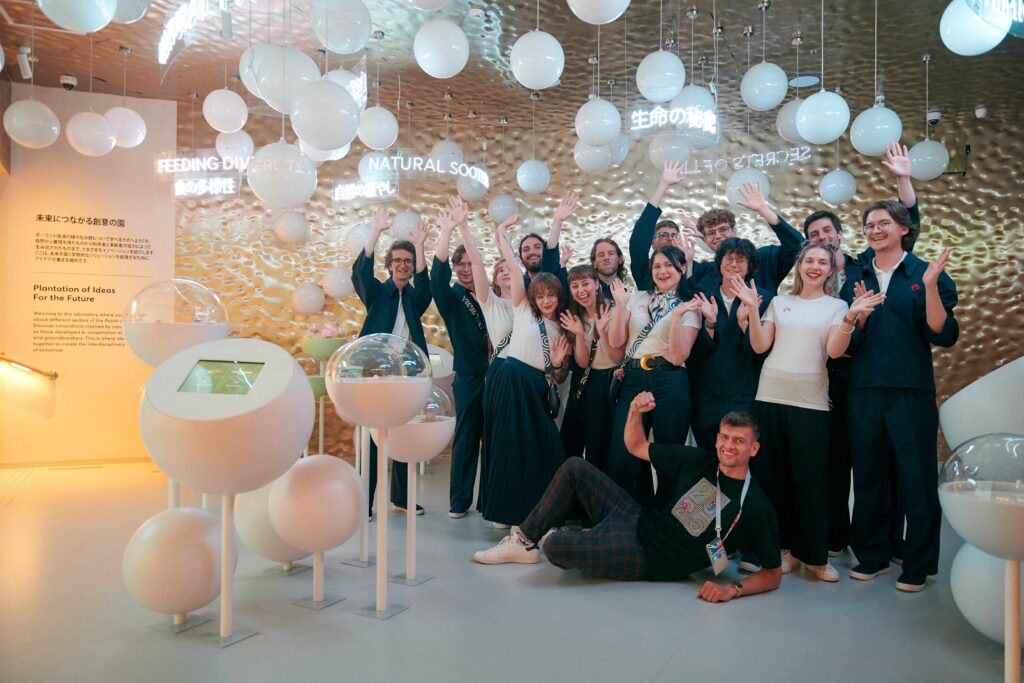
The pavilion was awarded bronze in the "Best Medium Pavilion" category and silver for the "Plantation of Ideas" exhibition. It also madeThe New York Times' list of "25 things to see at EXPO OSAKA 2025."
The Polish pavilion promoted key sectors for the domestic economy: medicine and pharmaceuticals, cosmetics, IT/Fintech, green technologies, AgriTech industry and gaming sector. Participation in the EXPO was an opportunity for trade and investment development, with potential partners from Japan and Asia, and the economic program proved to be one of the most intense in the history of Polish participation in world exhibitions.
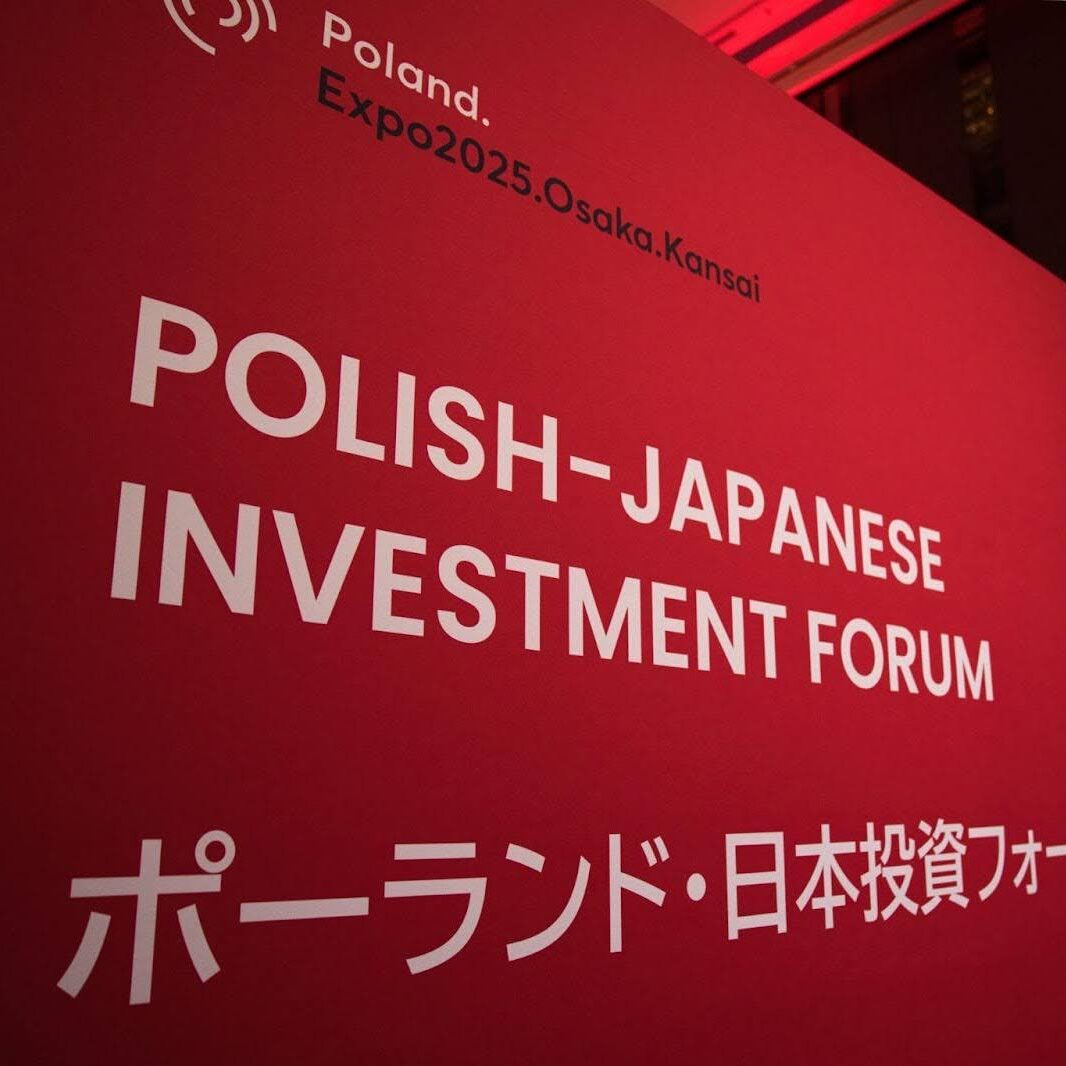
Among the key events were the Polish-Japanese Export and Investment Forum. The participation of Polish entrepreneurs provided an opportunity to strengthen Poland's image as a country open to development and international cooperation.
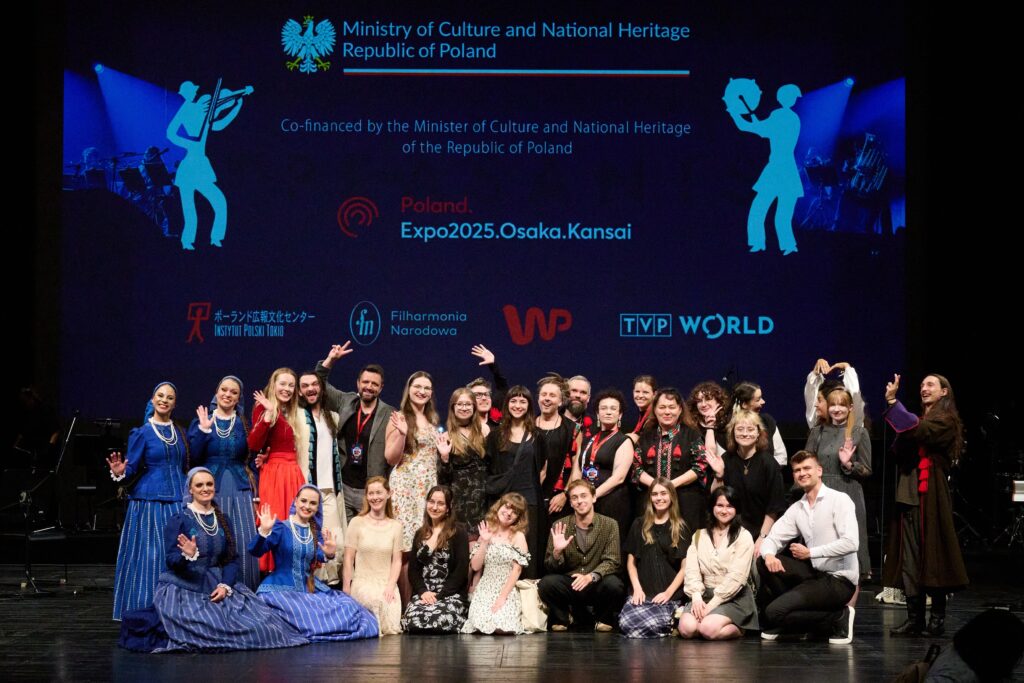
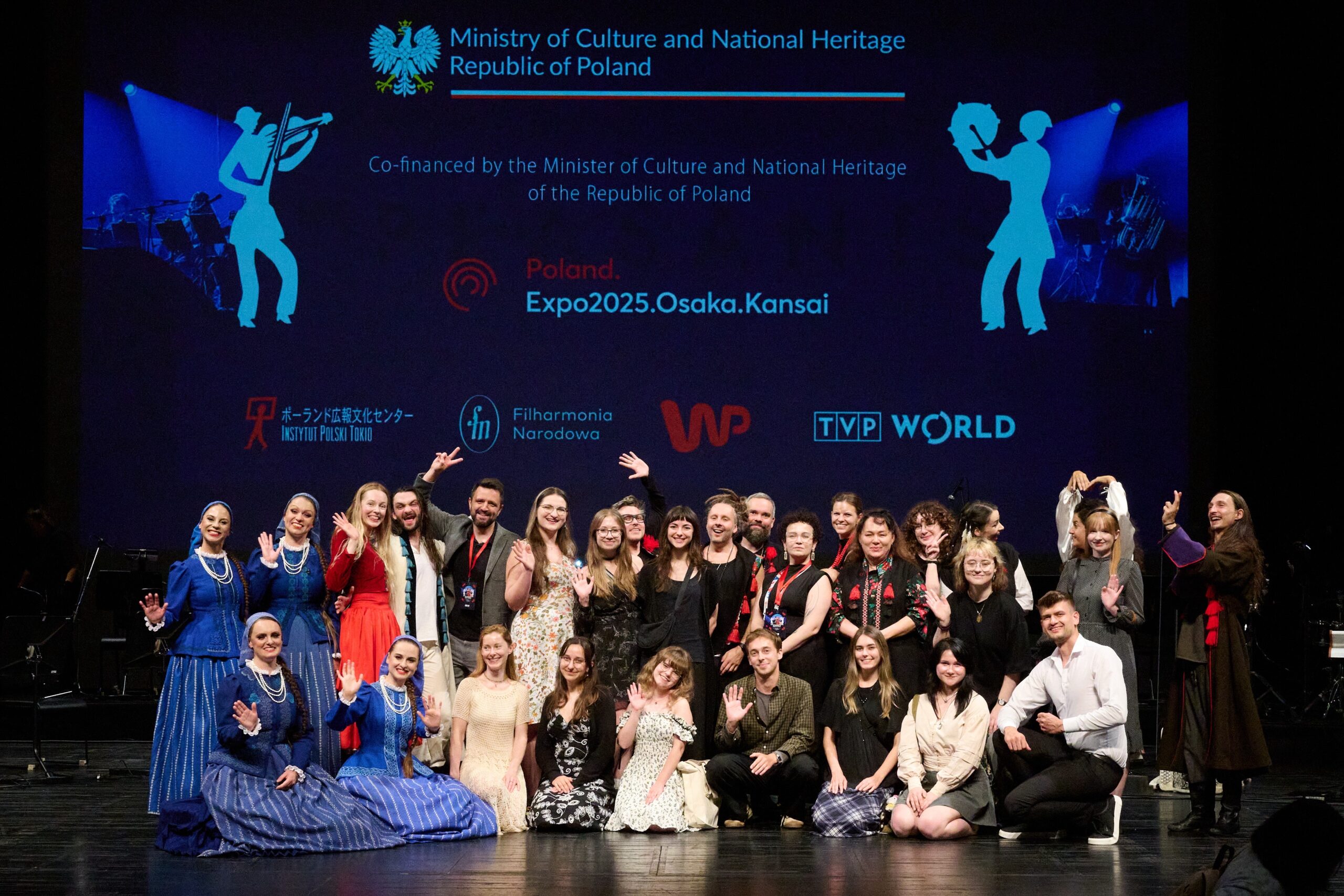
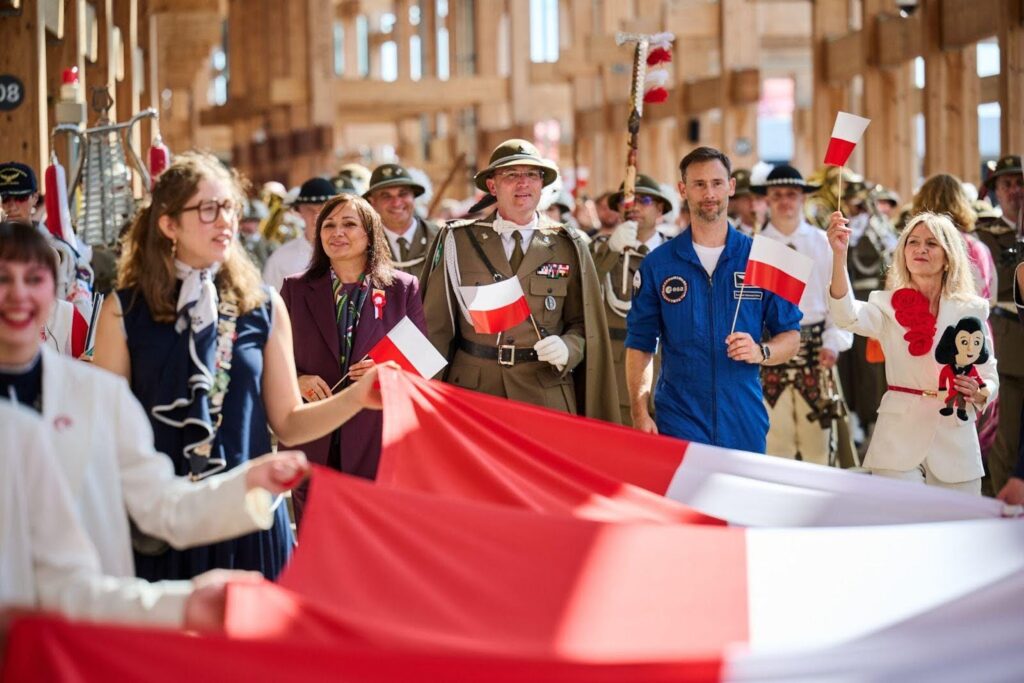
The Polish Pavilion has also become the arena for dozens of cultural and scientific events, including numerous concerts, exhibitions and educational workshops
PJAIT 's involvement in the EXPO 2025 project began more than two years before the opening of the exhibition, the fruit of which, in August 2024, was the invitation of our university by the Polish Investment and Trade Agency to participate in this most important and prestigious economic and cultural event in the world.
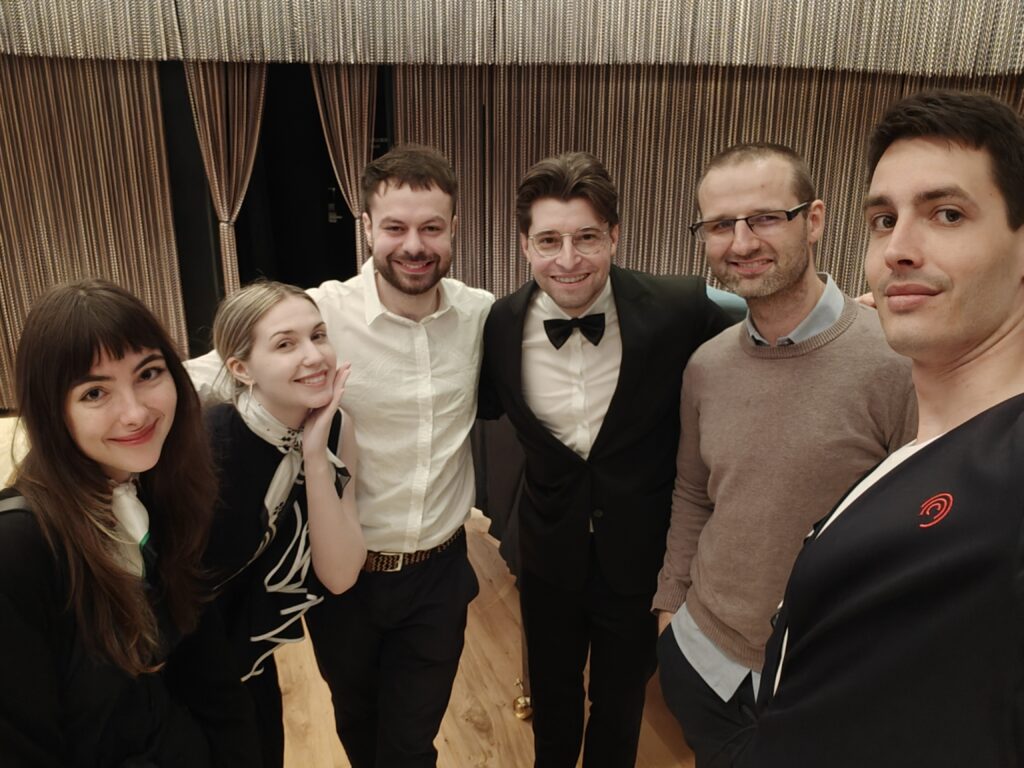
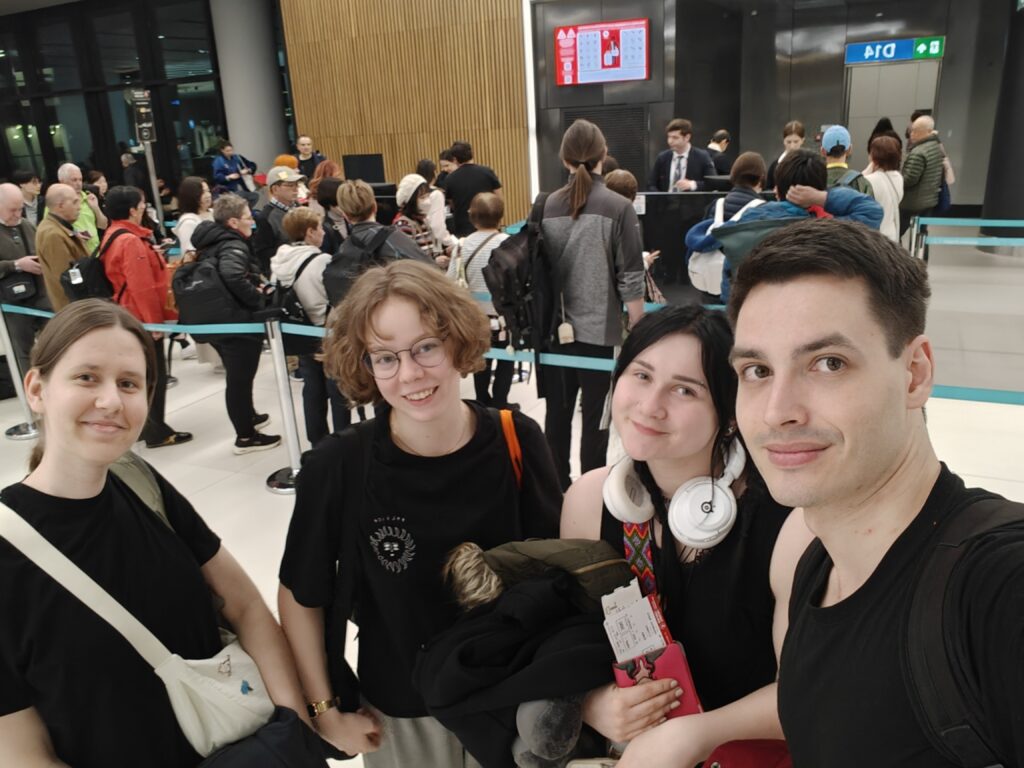
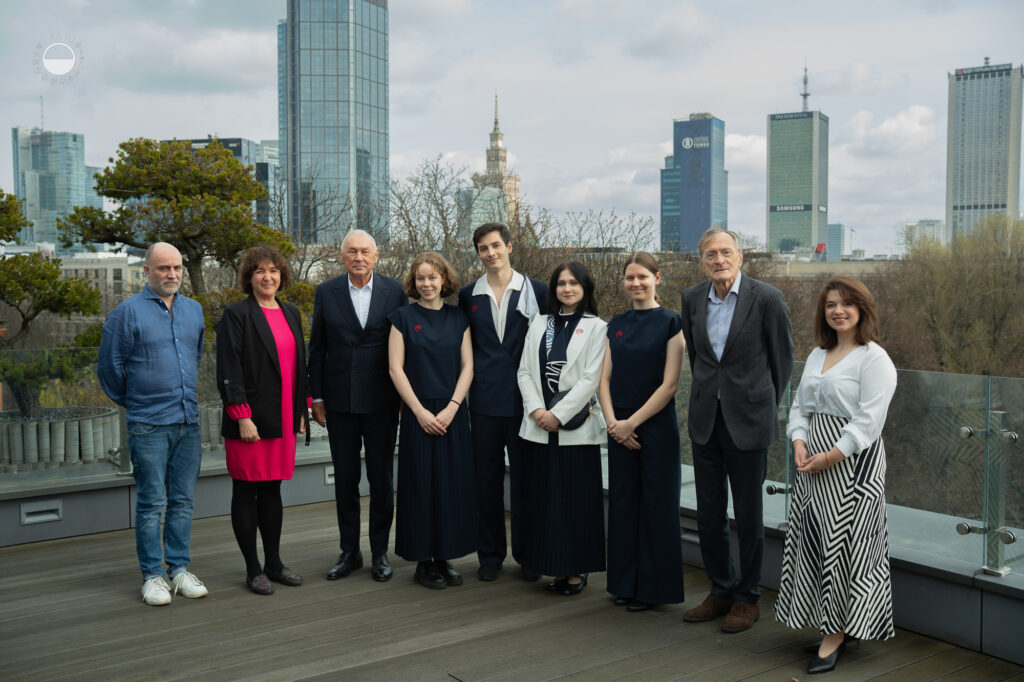
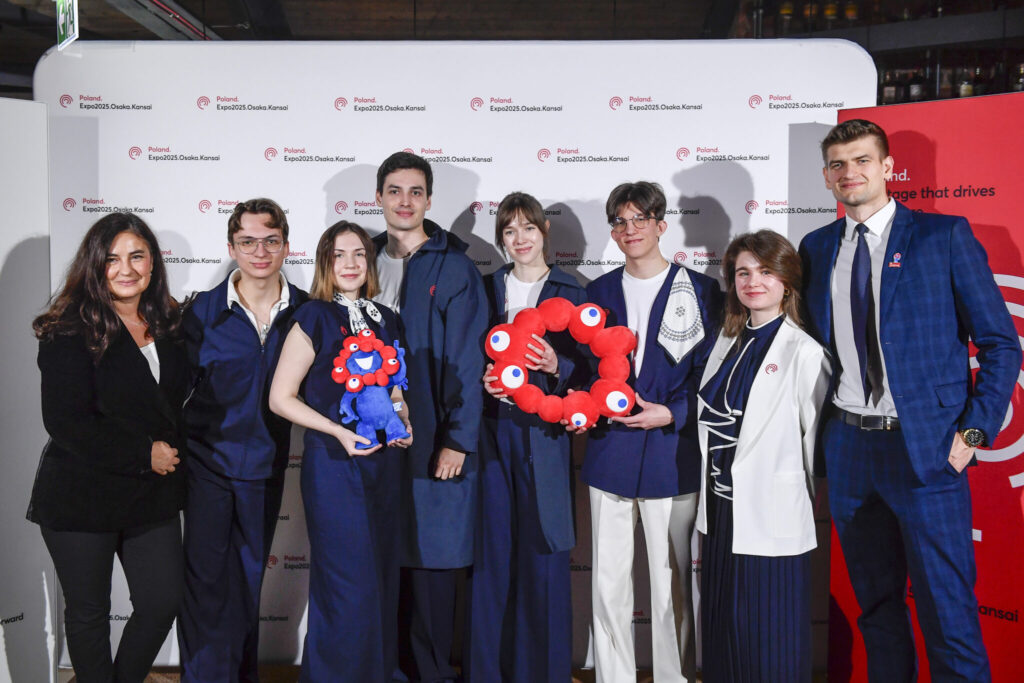
Along with a dozen other Polish universities, PJAIT had the honor of representing Poland in the Polish Pavilion. Four students - Marcelina Nowakowska, Nadia Zarańska, Jędrzej Kasprzak and Joanna Gawryła - were selected from 52 entries.
The students went through a complicated recruitment process, including verification of their Japanese and English language skills and cross-cultural competency tests, conducted by lecturers including Piotr Milewski and Jakub Zajfert. Prior to the trip, our students received training in occupational health and safety, Japanese business language, and participated in organizational meetings with representatives of PAIH and Pasona Group and Dilottle Japan, who perfectly prepared them before the trip by discussing the realities of the Japanese market.
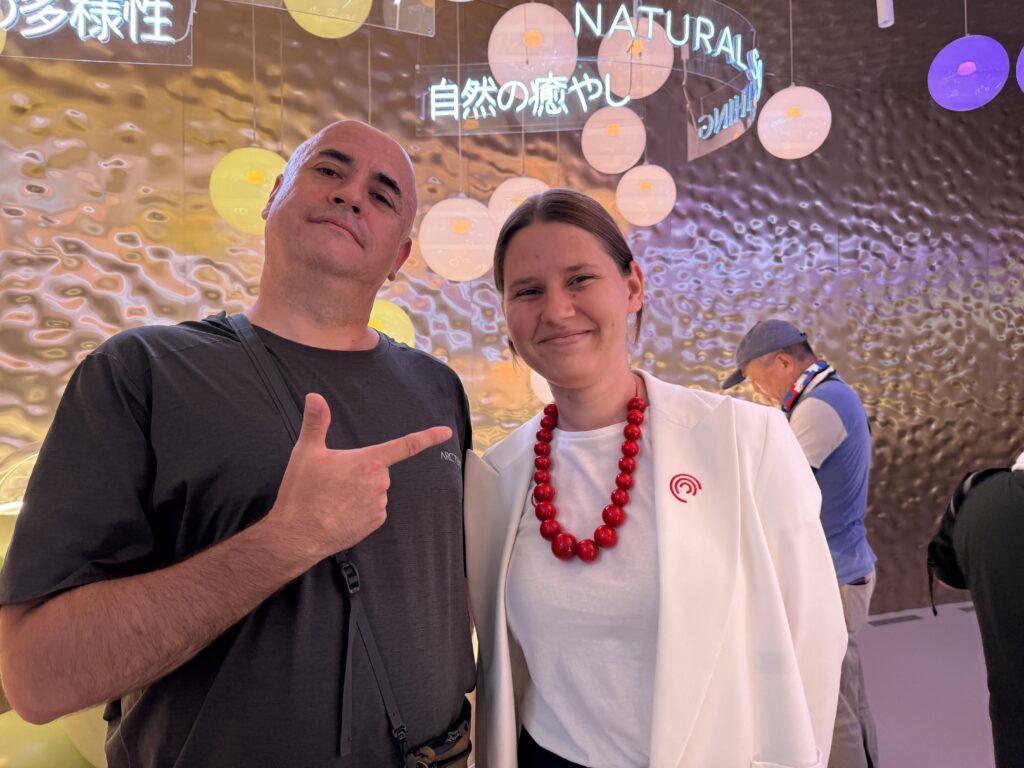
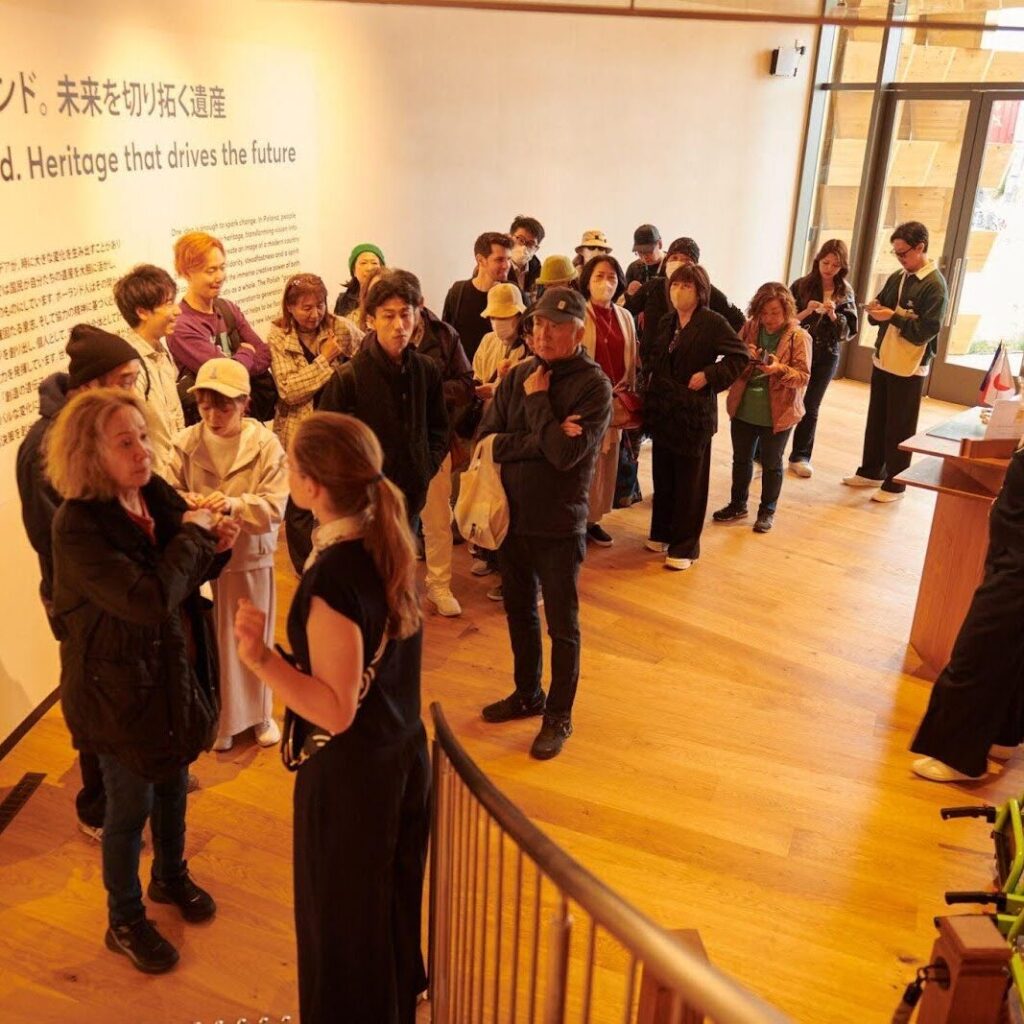
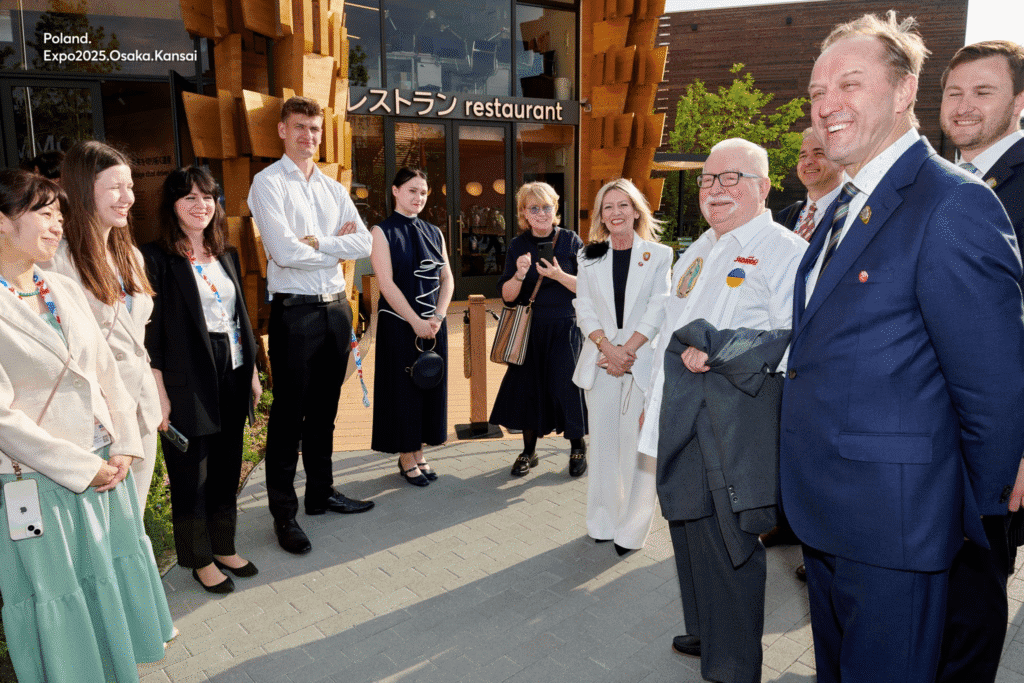
The four PJAIT students contributed to the daily operation of the Polish pavilion for six months, working shifts, serving visitors (tens of thousands of people per week), and taking part in the coordination of scientific, cultural and promotional events.
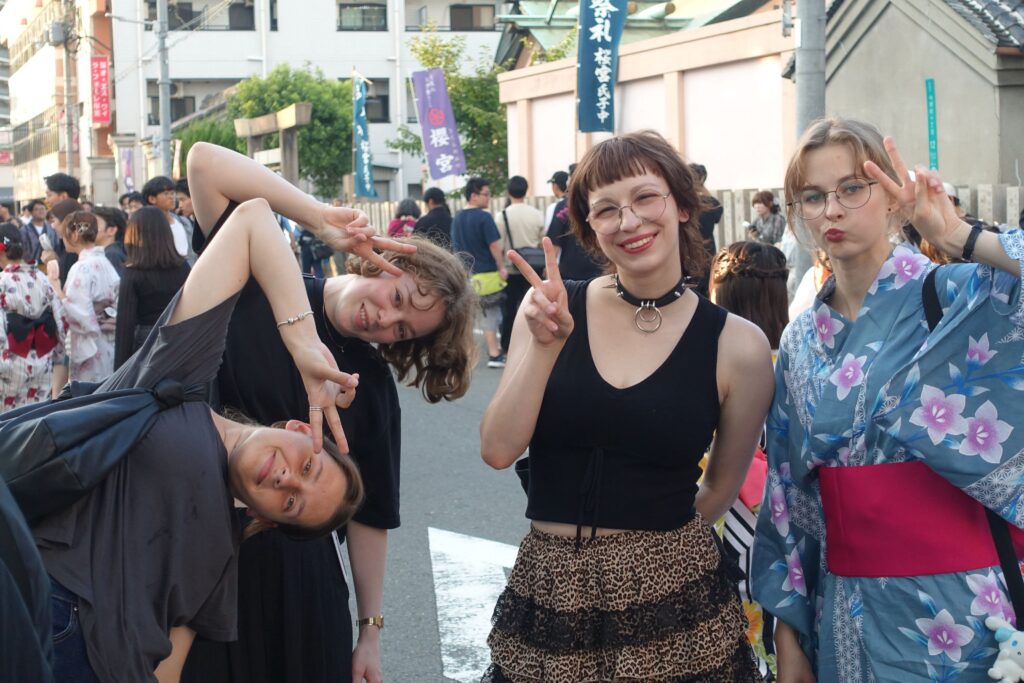
Work at the pavilion was 99% in Japanese, and students acted as ambassadors of Polish culture and innovation, supporting regional presentations, concerts, workshops and Earth Day (including a symbolic tree planting in Osaka). In doing so, students combined expo duties with their studies at PJAIT - bravely catching up on their academic work, which shows how education integrates with international practice.
Our students' reports published on the PJAIT website and in the university's media showed the daily life of their work at the pavilion, their contact with Japanese culture, and the many formal and substantive challenges. Students took part in artistic encounters, including organizing concerts by Natalia Kukulska or spectacular performances by national bands, handled events during the "Tourism and Sports Week," and coordinated thematic presentations of Polish regions.
In individual interviews, our students emphasized the value of the competencies acquired, the connections made, and the prospects for an international career - and motivated future PJAIT candidates to take on similar challenges.
PJAIT students' participation in the EXPO was not only an opportunity for professional development, but also personal growth through close encounters with cultural diversity, gaining organizational experience at a large international event and direct contact with partners from around the world.
What is still worth noting here, the six-month internship program at EXPO OSAKA 2025 included administrative and financial support, psychological and organizational support, as well as regular contact with the university and partner institutions, which guaranteed the full safety and comfort of the participants.
Poland's presence at EXPO OSAKA 2025 strengthened the visibility of the country's economy and brand in Asian markets. With hundreds of events and professional presentations of modern technology and culture, Polish companies have established numerous partnerships and increased exports, including to Japan - which has begun to be seen as a key field of study the development of Polish trade and investment.
Honors for the Polish Pavilion, as well as its presence in international rankings and lists, highlighted the strength of Polish creativity, courage and high competence of artists, scientists and designers supported by the younger generation.
EXPO OSAKA 2025 showcased Poland as a creative, innovative and internationally cooperative country. The unique participation of PJAIT students - co-creating the Poland Pavilion for half a year, integrating academic competencies with practice - is a model of partnership education at the European and global level. We hope that it will motivate and inspire the next crop of PJAIT students to pursue their dreams, take on international challenges and build competencies for the job market of the future.
Without a doubt, Poland's presence at EXPO OSAKA 2025 was a success - both in the economic, cultural and educational layers. In turn, the participation of PJAIT students in this exhibition has become a symbol of openness to the future, intergenerational partnership and the importance of young people's competence in building a national brand on the international stage. PJAIT 's activities in this regard are an example of how theoretical and practical education can make a real difference to Poland's image in the world.