
Exhibition of Works by Part-Time Students NeMA

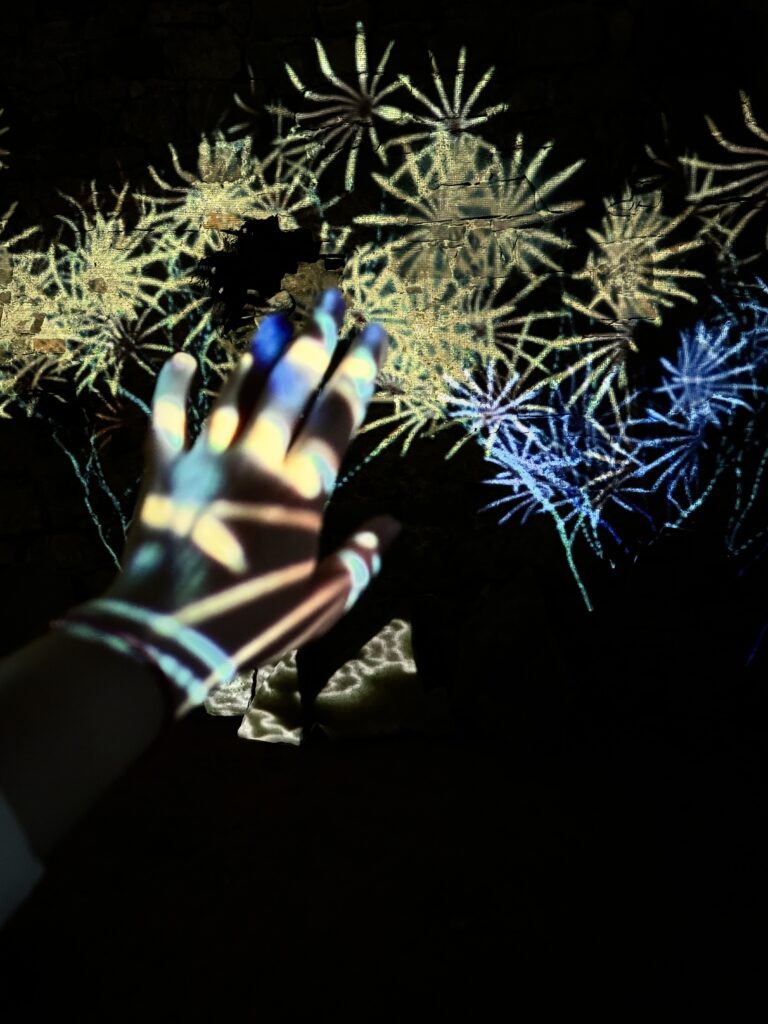
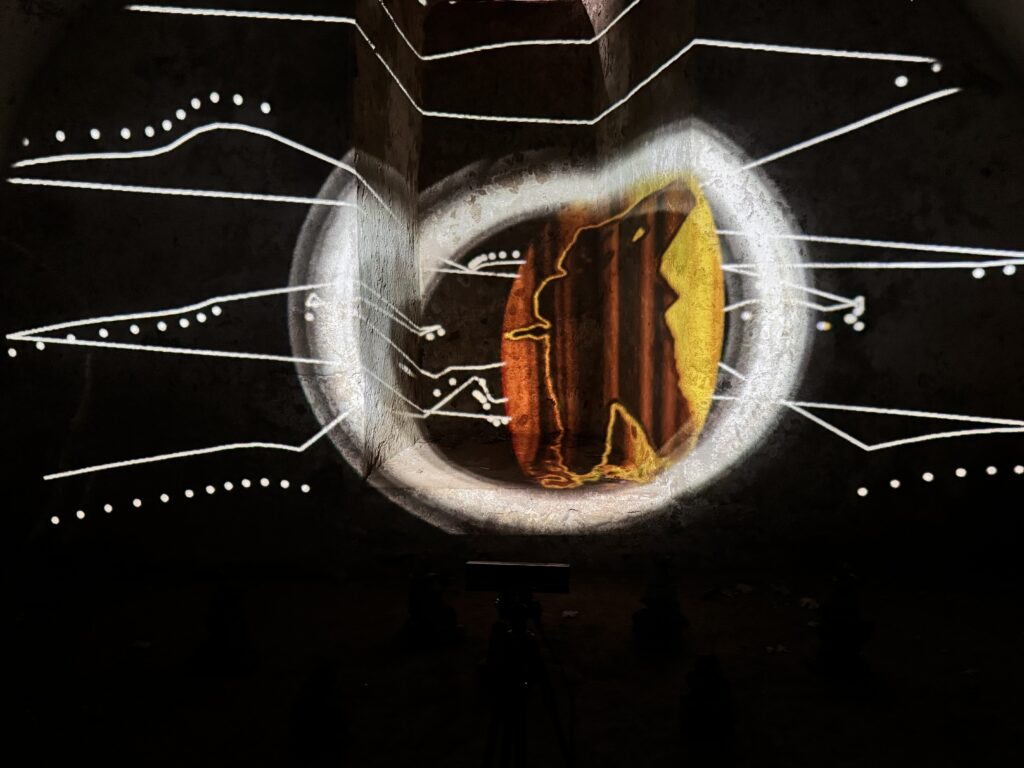
What does New Media Art look like when it ceases to be an exhibit and becomes an experience? Participants at the Mountains of Literature Festival were able to find the answer to this question by visitingthe multimedia exhibition*Resonance of What Remains* ( part of the Pasma Sztuki project “Rock, Paper, Scissors”), prepared by artists and lecturersfromthe Polish-Japanese Academy of Information Technology.
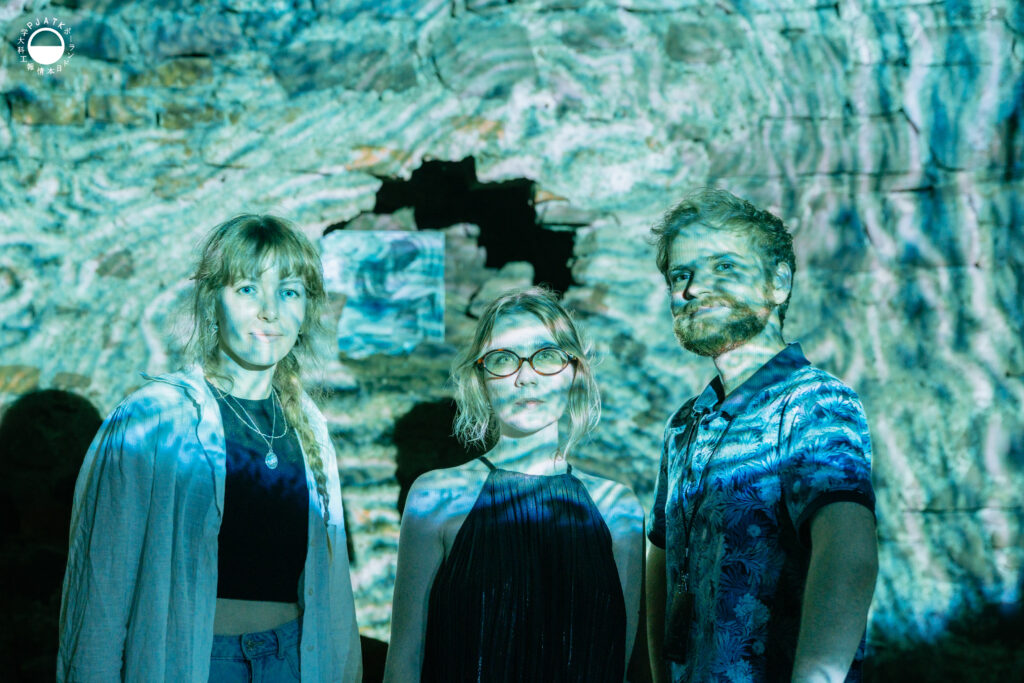
For three days, the underground chambers of Sarny Castle became a space where art, technology, and the public came together. The exhibition, presented as part of the Art Series of the Mountains of Literature Festival organized by the Olga Tokarczuk Foundation, attracted hundreds of visitors, who were able not only to view the installations but, above all, to engage in a dialogue with them.
The exhibition, curated by Prof. Anna Klimczak and Sefa Sagir, M.A., featured works by our artist-instructors
, Natalia Ślusarska, Zuzanna Gocławska, Sefa Sagir, and student Karol Kłaput from the Polish-Japanese Academy of Information Technology, presented a comprehensive overview of the “Rock, Paper, Scissors” project. Its first presentation took place earlier atthe Polish Academy of Sciences’ Museum of the Earth in Warsaw under the curatorship of Zuzanna Gocławska and Natalia Ślusarska, while during the Mountains of Literature Festival, the audience was able to see an expanded, multidimensional version of the exhibition under the curatorship of Sefa Sagir.”
One of the most important aspects of the event was the presence of artists, faculty members, and students from the PJAIT Department of New Media Art. For three days, they served as curators of the exhibition and guides through the world of interactive art.
They guided visitors—children, teenagers, and adults alike—hundreds of times, helping them discover the hidden meanings in the first part of the exhibition’s main theme:“rock, paper, scissors.” Through conversations with the artists and by exploring the various installations together, participants came to understand that in new media art, the viewer is not merely an observer. They become part of the work and help shape its meaning.
Three curator-led tours also drew a lot of interest, during which the audience had the opportunity to learn about the ideas behind the individual works and talk with the artists about the relationship between technology, emotions, and contemporary design.
Positive feedback from participants accompanied the exhibition throughout the festival, and discussions about new media art echoed across the picturesque landscapes of the Kłodzko region, confirming that interactive installations can engage audiences regardless of age or prior cultural experiences.
Those who wish to develop their skills at the intersection ofart, technology, and experience design can join the New Media Art Department community today.
Detailed information about majors, degree programs, and admission requirements can be found at:enrolment
We would like to thank all our visitors for coming, for the inspiring conversations, and for their openness to new forms of art. We look forward to seeing you at our upcoming events, where the Polish-Japanese Academy of Computer Technologies will demonstrate how to creatively combine art, technology, and education.
Faculty of New Media Arts atthe Polish-Japanese Academy of Information Technologyhas been developing its own unique approach to arts education for years. Students learn not only graphic design, but alsohow to design experiences, interactions, and communication with the audience.
This involves working with multimedia, interactive installations, illustration, 3D animation, game design, artificial intelligence, and modern tools used by the creative industry. Equally important, however, is developing the ability to consciously design emotions and experiences—so that art and technology enrich the everyday lives of audiences.
Events such as the Mountain of Literature Festival show that education atPJAIT end in the classrooms. Students and faculty collaborate on projects presented at prestigious cultural events, work with cultural institutions, and gain experience in carrying out international and interdisciplinary projects.
PJAIT artists are becoming PJAIT bold in showcasing their work throughout Poland!