
The fall edition of " Career Fair "PJAIT is coming up tomorrow—October 22!


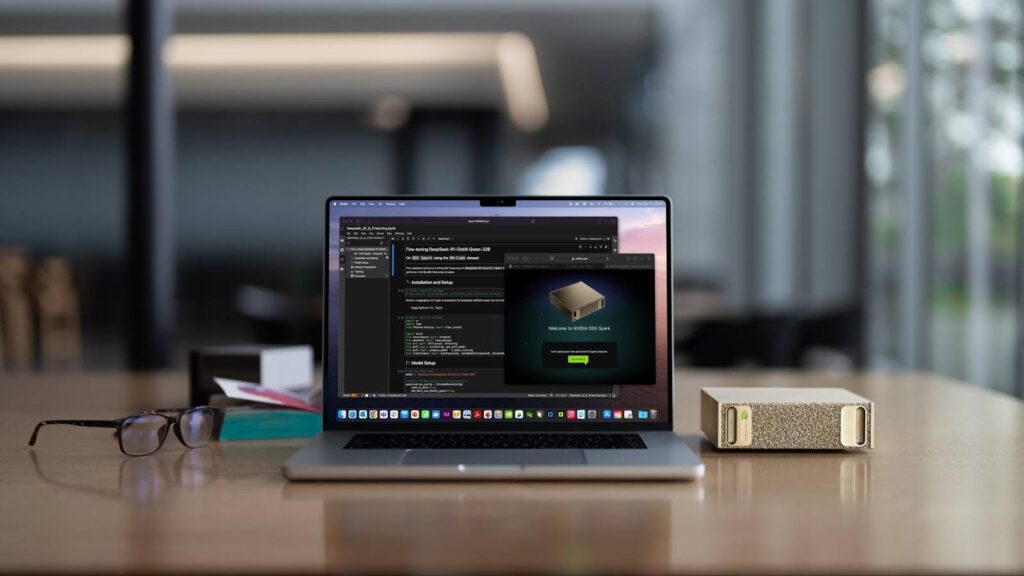
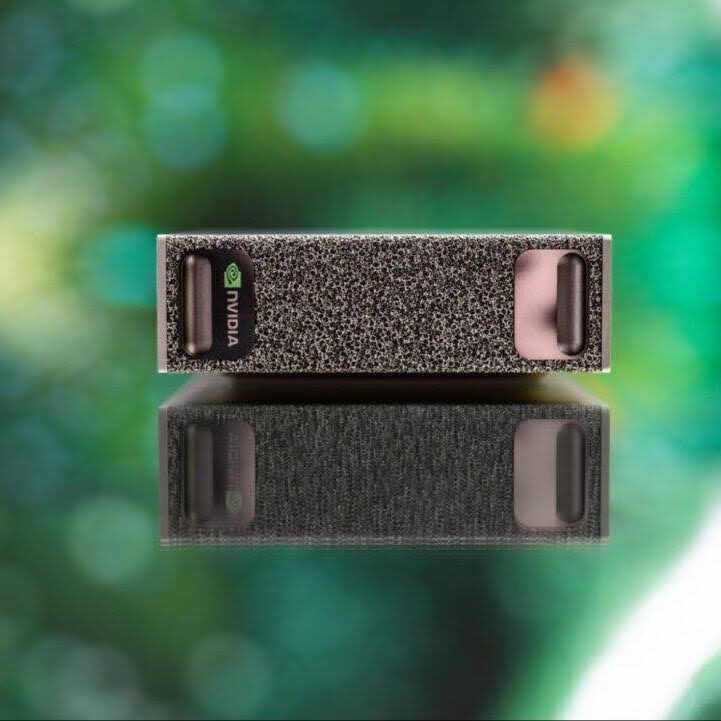
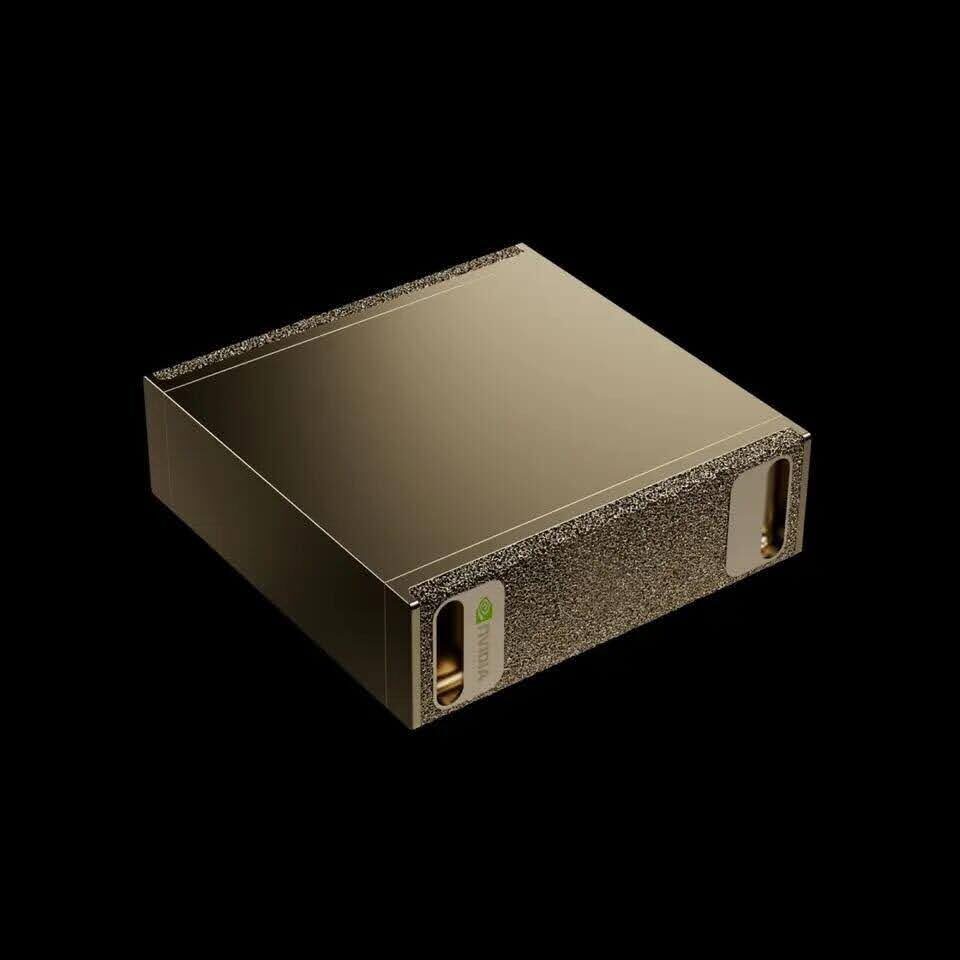
U.S. chipmaker NVIDIA unveiled a new product this month that is poised to change the face of artificial intelligence development around the world. The DGX Spark is a compact AI supercomputer that combines the computing power of a data center with the format of a desktop device.
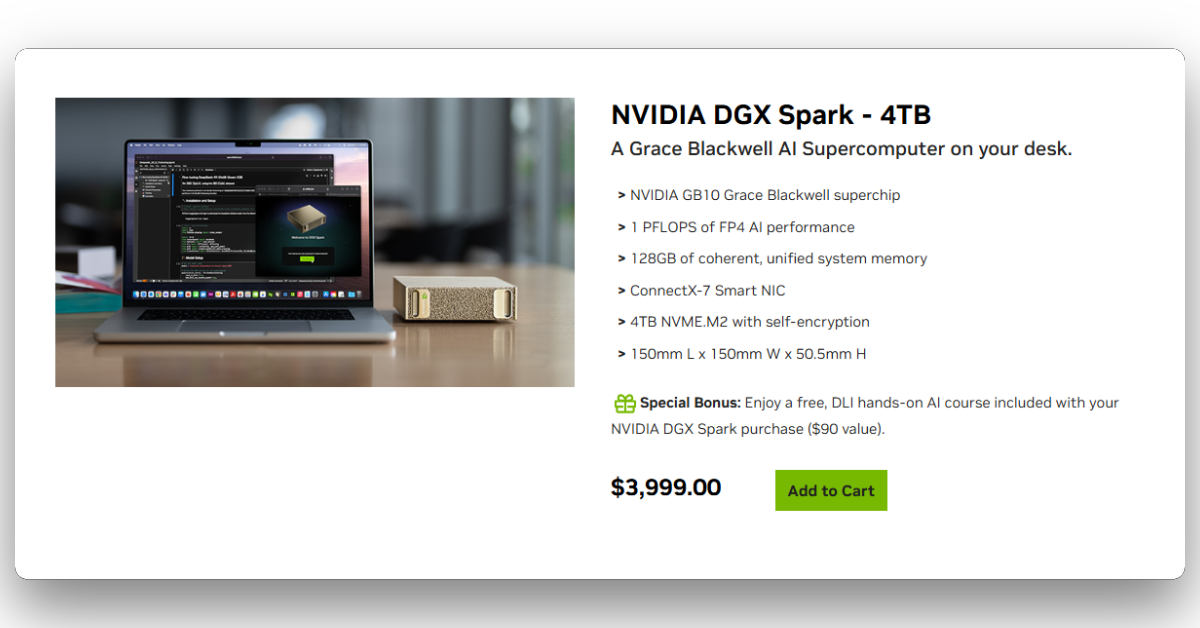
The launch of the DGX Spark marks the introduction of a new category of computers aimed at developers of solutions based on artificial intelligence. The system offers a petaflop of computing power (one trillion floating point operations performed per second) and 128 GB of unified system memory (shared by the CPU and GPU) in a chassis compact enough to fit on a standard desktop. The manufacturer describes it as the smallest AI supercomputer available on the market.
The device is designed for programmers, researchers and developers who need supercomputer-class performance. Using NVIDIA's Grace Blackwell architecture, the system integrates GPUs, CPUs, networking technologies, CUDA libraries and AI software into a single, compact solution.
At the heart of the DGX Spark system is the NVIDIA GB10 Grace Blackwell superchip, an innovative system-on-chip (SoC) that combines a CPU and graphics card on a single chip. The architecture uses a 20-core ARM processor in a big-little configuration with 10 Cortex-X925 cores and 10 Cortex-A725 cores, while offering 128GB of memory shared by the CPU and GPU.
The graphics part, based on the Blackwell architecture, contains 6144 CUDA cores, fifth-generation Tensor cores (with FP4 support) and fourth-generation RT cores. The system delivers impressive computational performance of 1,000 TOPS (trillion operations per second) and 1 PFLOP (trillion operations per second) at FP4 precision.
The DGX Spark features 128 GB of unified LPDDR5x memory, running at 4266 MHz on a 256-bit bus, providing 273 GB/s throughput. This unified memory architecture allows the CPU and GPU to share the same memory area thanks to NVLink-C2C technology, which offers five times the bandwidth of PCIe 5.0.
The data storage system is based on an NVMe M.2 drive, with 4TB of data space and support for hardware encryption, providing enough space to store large AI models and the data sets needed for training and inference (the process of generating responses or inferences based on input data).
The computational capabilities of the device allow AI models to work locally with up to 200 billion parameters in inference mode and up to 70 billion parameters in the tuning process. The system also makes it possible to create AI agents and run advanced software stacks without the need for cloud computing or local data centers.
| Architecture | NVIDIA Grace Blackwell |
| GPU | Blackwell Architecture |
| CPU | 20 core Arm, 10 Cortex-X925 + 10 Cortex-A725 Arm |
| CUDA Cores | Blackwell Generation |
| Tensor Cores | 5th Generation |
| RT Cores | 4th Generation |
| Tensor Performance1 | 1 PFLOP |
| System Memory | 128 GB LPDDR5x, coherent unified system memory |
| Memory Interface | 256-bit |
| Memory Bandwidth | 273 GB/s |
| Storage | 4 TB NVME.M2 with self-encryption |
| USB | 4x USB TypeC |
| Ethernet | 1x RJ-45 connector10 GbE |
| NIC | ConnectX-7 NIC @ 200 Gbps |
| Wi-Fi | WiFi 7 |
| Bluetooth | BT 5.4 |
| Audio-output | HDMI multichannel audio output |
| Power Supply | 240 Watts |
| Display Connectors | 1x HDMI 2.1a |
| NVENC | NVDEC | 1x | 1x |
| OS | NVIDIA DGX™ OS |
| System Dimensions | 150 mm L x 150 mm W x 50.5 mm H |
| System Weight | 1.2 kg |
One of the key advantages of the DGX Spark is its pre-installed full NVIDIA AI software stack.
This includes CUDA libraries or models and NVIDIA NIM microservices, enabling them to start working on AI projects immediately. Developers also get access to NVIDIA AI ecosystem tools, including Black Forest Labs FLUX.1 models for image generation, NVIDIA Cosmos Reason for visual analysis, and the optimized Qwen3 chatbot.
A day before the DGX Spark began shipping worldwide, Jensen Huang, founder and CEO of NVIDIA, personally delivered one of the first units of the device to Elon Musk at Starbase in Texas. The event was a reference to the origins of DGX supercomputers - in 2016, Huang also personally handed over the first NVIDIA DGX-1 system to Musk, who at the time was running OpenAI.
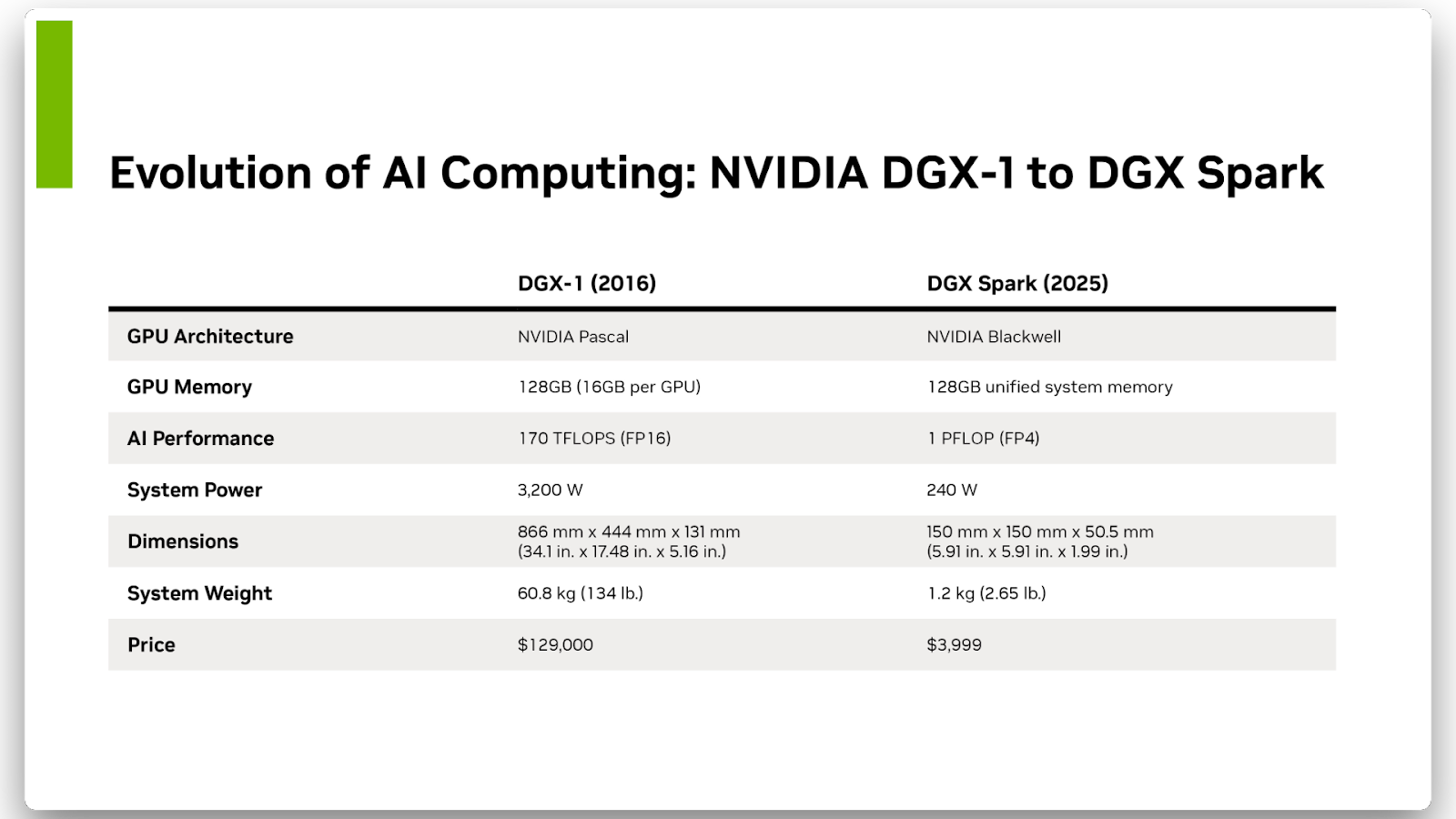
For the sake of comparison, let's take a peek here at the gap between these devices in terms of performance and capabilities over this less than a decade:
As Huang emphasized, DGX-1 ushered in the era of AI supercomputers that drive modern artificial intelligence. From the first system delivered to OpenAI, ChatGPT was born, which is what started the AI revolution. DGX Spark is set to follow up on that mission - putting an AI computer in the hands of every developer to start the next wave of breakthroughs.
The DGX Spark went on sale on October 15, 2025 via NVIDIA's website . In addition to direct sales, the DGX Spark is also available from OEM partners, including Acer, ASUS, Dell Technologies, GIGABYTE, HP, Lenovo and MSIW.
In the United States, the device is sold in Micro Center stores, while in international markets, distribution is handled by authorized NVIDIA partners. The price of the device is set at $3999.
According to Dion Harris, senior director of high-performance computing solutions and AI factories at NVIDIA, offering petaflops of AI computing power on a desktop device is a landmark achievement that will pave the way for the democratization of artificial intelligence.
For his part, Professor Kyunghyun Cho of the NYU Global AI Frontier Lab, whose organization has received early access to DGX Spark, stressed that access to peta-scale computing on the desktop represents a new way to conduct AI research and development that will enable rapid prototyping and experimentation with advanced algorithms and models - even for privacy- and security-intensive applications such as healthcare.
It is worth mentioning here at the end the first award for this solution already - TIME magazine recognized NVIDIA DGX Spark as one of the best inventions of 2025 in the category of artificial intelligence.
Source of information and images: NVIDIA.com