Last Stop: JAPAN
We end our journey with a stop in Japan.
We’re wrapping up our journey with a visit to Japan.
We didn’t just experience the Land of the Rising Sun with our five senses. Through hearing, taste, smell, touch, and sight, we explored many countries during our virtual trip around the world.
We didn’t just experience the Land of the Rising Sun with our five senses. Through hearing, taste, smell, touch, and sight, we explored many countries during our virtual trip around the world.
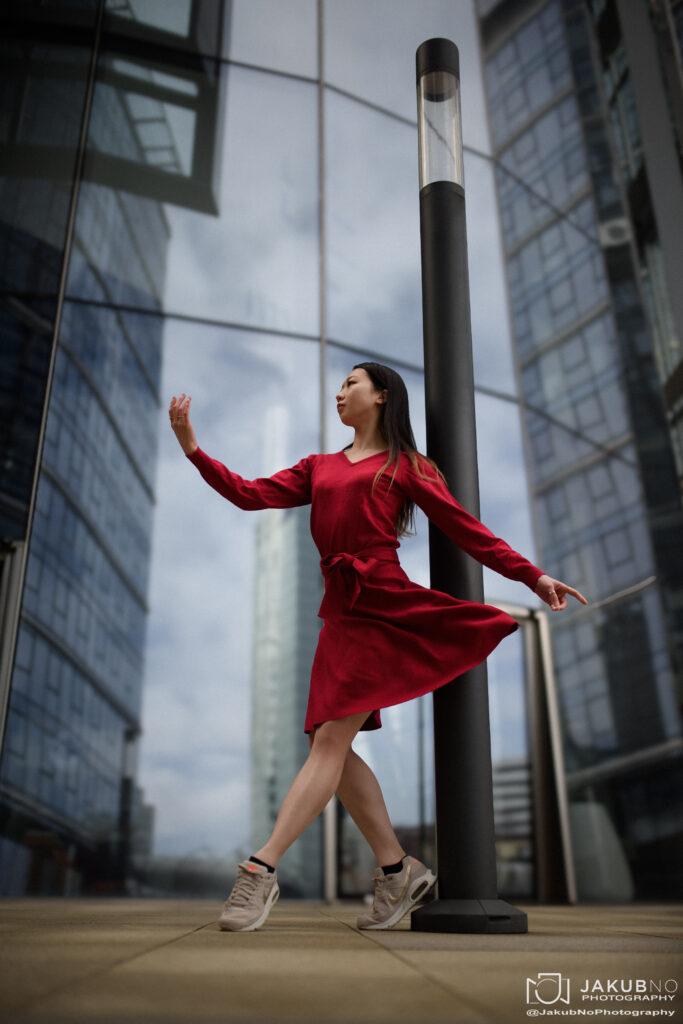
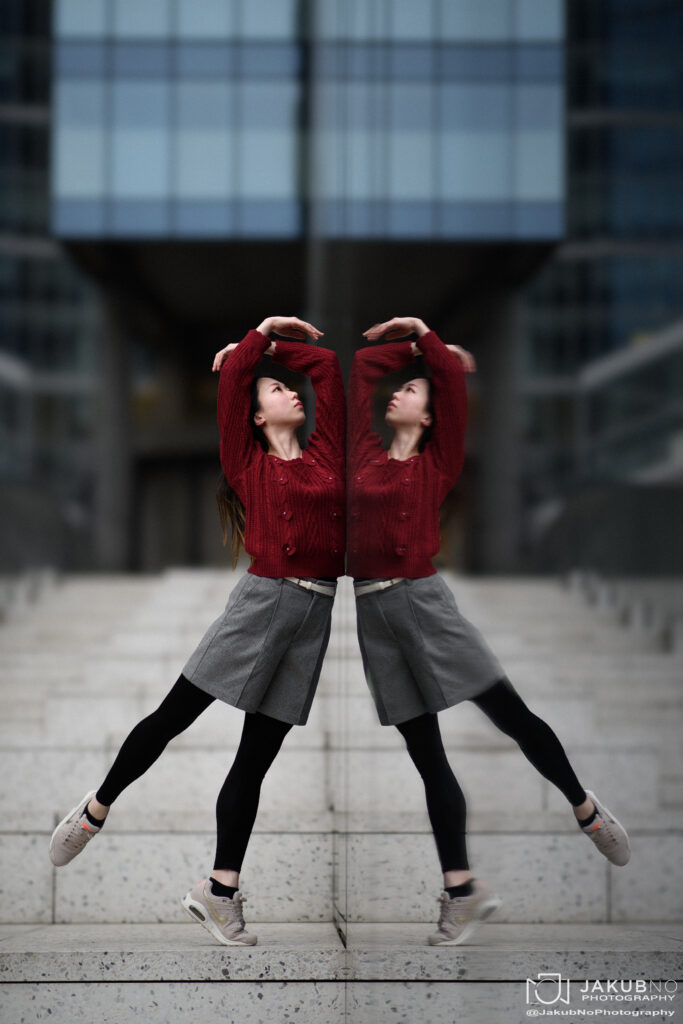
We promoted the campaign to register potential bone marrow donors through dance—specifically, ballet. To wrap up our “journey,” read this brief overview of the history of ballet in Japan.
We promoted the campaign to recruit potential bone marrow donors through dance—specifically, ballet. To wrap up our “journey,” read this brief overview of the history of ballet in Japan.
A Brief History of Ballet in Japan
The history of classical dance—Western ballet—in Japan is relatively short, as the art form did not begin to develop in earnest until after the end of World War II. In 1911, the Imperial Japanese Theatre (Teikoku-Gekijyō) was founded, and its repertoire was the first in the country to include Western art forms (opera, classical music, and ballet). It is generally accepted that the origins of ballet date back to the year of the arrival of the Italian ballet master from England—Giovanni Vittorio Rosi—who was hired by the theater’s management in 1912. He taught classical ballet and Western opera techniques. Another pioneer was Anna Pavlova (a world-famous prima ballerina), who conducted pedagogical activities during her visit to Japan in 1922. Thanks to her, classical ballet gained a much stronger foothold. The first Western ballet productions took place in 1941. These were two performances by Pavlova’s student, Azuma Yusaku (La Sylphide and L’Après-midi d’un faune).
After World War II, Komaki Masahide (head of the Komaki Barē troupe) continued to influence the development of ballet in Japan. However, it was the arrival of the icons of Soviet ballet at that time that marked an incredibly important stage in the formation of this dance technique. In cooperation with the Soviet Ministry of Culture, the first ballet school was opened. In 1959, Sulamith Messerer and Aleksei Varlamov were sent to the Land of the Rising Sun by the
to promote the Russian school of ballet instruction. Unfortunately, despite its enormous success, the Pyotr Tchaikovsky Ballet School was closed after five years of operation. Fortunately, the most outstanding students joined a group called The Tokyo Ballet, led by Tadatsuki Sasaki. Today, The Tokyo Ballet Company is one of the world’s finest ballet companies. Meanwhile, outstanding students from Japan continue to be invited to The Bolshoi Ballet Academy (from which the Russian ballet masters came) to this day.
It is worth remembering that in pre-war times, to watch or learn ballet in Japan, one had to belong to the aristocracy or the upper class. Only over time did the pleasure of learning this art form become accessible to the majority of citizens. Year by year, such classes became increasingly popular. Today, anyone can learn ballet, and the demand is very high. Due to the different structure of training, career paths are much more complex, and the journey toward one’s dream goal requires even greater determination and sacrifice.