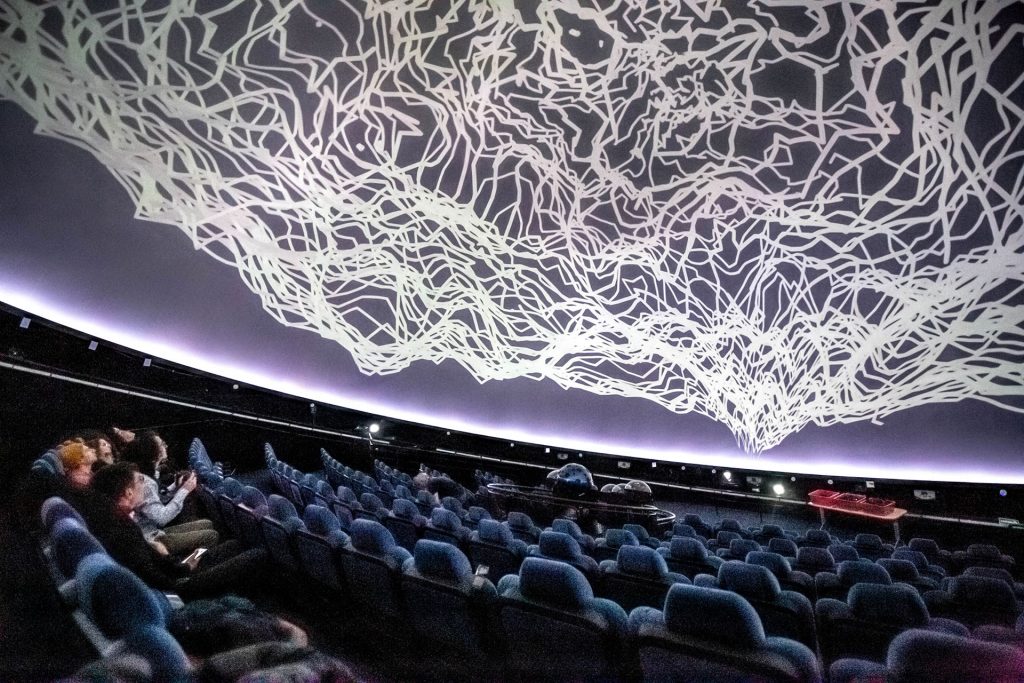
TEACHING INFRASTRUCTURE
The University authorities strive to eliminate all kinds of equipment shortages to ensure equal opportunities for the Faculty staff in competing with other units. Equipment resources are often purchased as part of equipment for research projects, but also less specialized ones, financed from subsidies for maintaining the research base and from the university's own funds.
List of research laboratories.
1. DEPARTMENT OF COMPUTER NETWORKS
Server Laboratory and Mobile Device Networks Laboratory
2. DEPARTMENT OF MULTIMEDIA
Multimedia and Image Processing Workshop, Sound Engineering Laboratory, Sound Engineering Laboratory, 3D Animation and Graphics Laboratory, and Computer Game Programming Laboratory.
3. DEPARTMENT OF DATABASES
E-learning Laboratory and Database Laboratory.
4. DEPARTMENT OF PARALLEL COMPUTING
Parallel Programming Laboratory
5. DEPARTMENT OF INTELLIGENT ALGORITHMS AND BEHAVIORAL ROBOTICS
Behavioral Robotics Laboratory
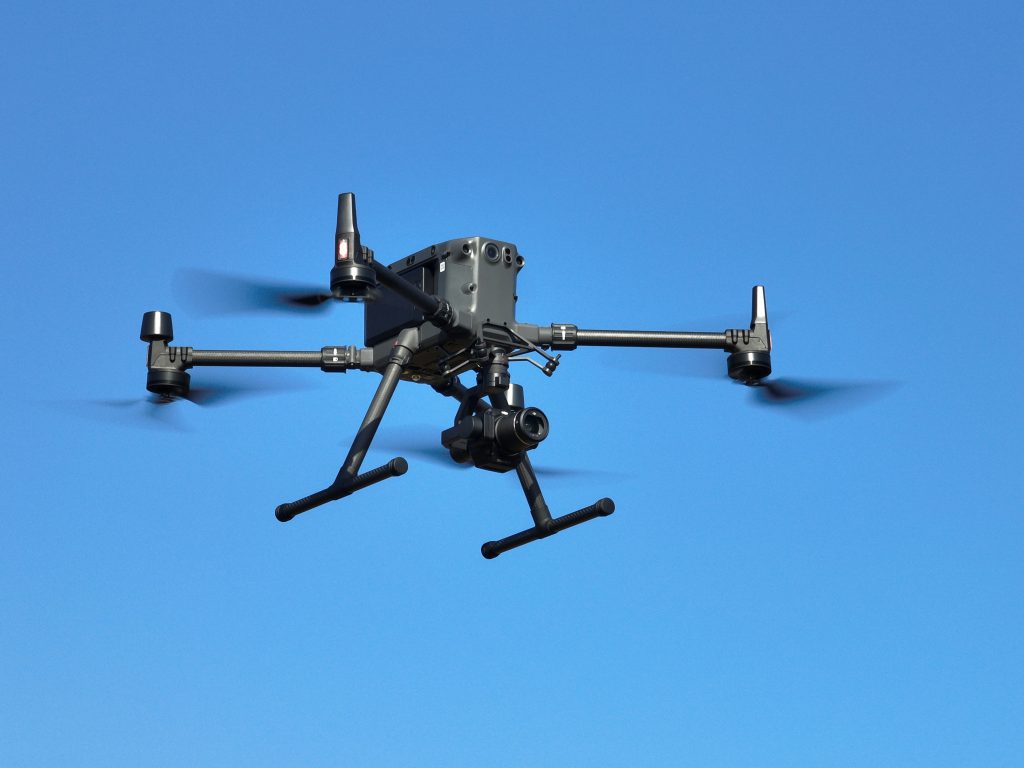
6. RESEARCH AND DEVELOPMENT CENTER OF THE POLISH-JAPANESE ACADEMY OF INFORMATION TECHNOLOGY
An essential element of the Faculty's hardware equipment is the laboratories at the PJAIT Research and Development Center in Bytom. These are:
- Multispectral Imaging Laboratory;
- Multimodal Motion Laboratory;
- Microexpression Laboratory;
- Visual Motion Analysis Laboratory;
- Computer Facial Modeling Laboratory;
- Dynamics and Multimodal Interaction Laboratory.
In the years 2010-2014, the academy received 3,574,939 PLN from the Ministry of Science and Higher Education as part of the subsidy for financing core statutory activities, financing own research, and the development of young scientists. According to the decision of the PJAIT Rector, the Development Projects Office of the academy was established, which initiates, supports, and settles projects implemented at PJAIT. The source of financing for the aforementioned projects is primarily national public funds at the disposal of NCBR, NCN, OPI, and the Ministry of Science and Higher Education itself, as well as European public funds (primarily from the ESF). Additionally, support is obtained from Norwegian, Swiss, and EEA funds, as well as other external sources. Research projects have been indicated in the appendix "List of implemented research projects", and 36,348,795 PLN was allocated to the academy for their implementation.
Scientific research has a very beneficial impact on the educational process. Students can participate in them by writing their thesis on a research topic supervised by their supervisor. This makes it possible to shape the student's interests, which can then be continued in third-cycle studies. Students participate in scientific and research seminars and deliver papers at conferences. The funds obtained through the research projects of our staff significantly influence the educational process as well as increasing the qualifications of academic teachers. Several aspects should be mentioned here:
- The opportunity to work on modern hardware and software purchased as part of the project;
- Funding the modification of subjects in accordance with current trends, in cooperation with an experienced methodologist;
- Funding training courses and introducing additional subjects to the study program that allow students to get a better start in the job market, as well as preparatory brush-up courses for studies;
- Organizing courses and training for academic staff on modern teaching methods in the area of: project-oriented learning, rapid learning, modular education, and action learning;
- Opportunity for staff to participate in self-presentation workshops to develop skills in the area of effective communication with students, mobilizing and motivating a group of listeners, holding attention, and dealing with difficult participants;
- Study visits for academic staff to international research and development units, where they learn about modern methods of interdisciplinary education in the area of combining computer science with other fields of science.