Specialized areas
Below are the specialist areas covered by the second-cycle degree program in interior design at the Faculty of New Media Arts. Detailed descriptions of individual educational paths and full program information will be published shortly.
The studio educates designers who combine creative thinking with the ability to solve real functional, ergonomic, and structural challenges. Students work based on contemporary design processes—from sketching and mock-ups, through rapid prototyping, to digital modeling in CAD systems. A modern modeling workshop allows for testing forms on various scales, refining details, and making informed choices about materials and technologies. Each project is developed as track individual track : students define the topic themselves and develop their own response to the problem at hand. The studio supports the development of a personal design language, combining practical skills, the courage to experiment, and preparation for cooperation with the furniture industry.
The studio develops the ability to create places that truly shape user experiences—from cultural facilities and urban common spaces to projects rooted in the landscape. Students learn to analyze the function, structure, and relationships of space with its surroundings, consciously manipulating light, color, form, and meaning. The studio emphasizes cultural sensitivity, social responsibility, and the emotional dimension of design, supporting the creation of original and unique projects. Each project is track individual track in which the student defines the topic, explores functional possibilities, and builds their own design narrative. The aim of the studio is to develop a passion for designing contemporary public spaces and to prepare students for professional work in a dynamic, demanding, and creative design environment.
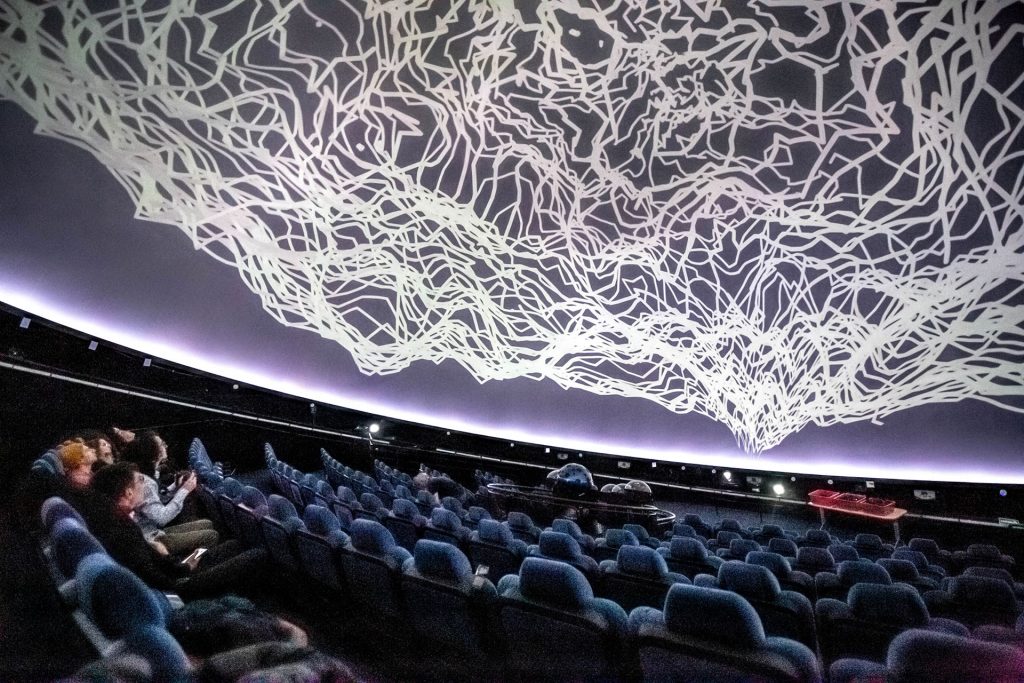
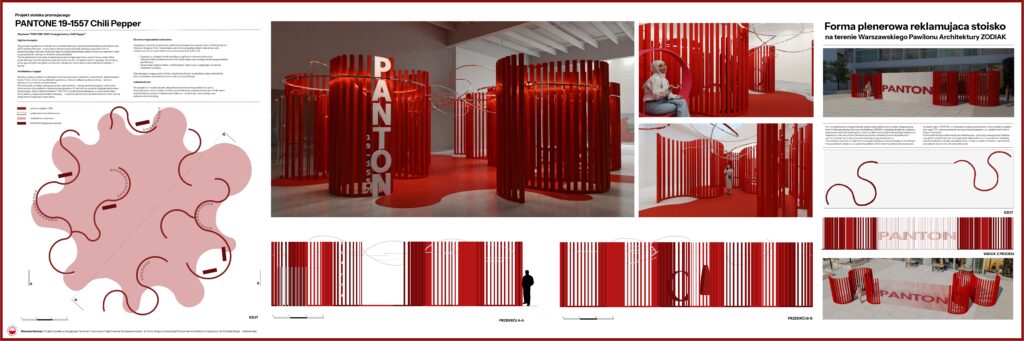
A studio for people who want to create engaging spaces that tell stories—from museum exhibitions and art galleries, through cultural centers and urban spaces, to commercial exhibitions, trade fairs, and projects for the creative sector. Students learn to build spatial narratives, design the viewer's experience, and create concepts that combine aesthetics, function, and contemporary means of presentation. The studio prepares students to design both small-scale educational exhibitions and large-scale projects for cultural institutions, the creative industry, and public events. An important element of the process is the use of light, form, color, and multimedia, as well as the conscious consideration of accessibility principles and technical requirements. Each project is track creative, original track in which students develop their own exhibition language and skills that are highly valued in the contemporary design market.
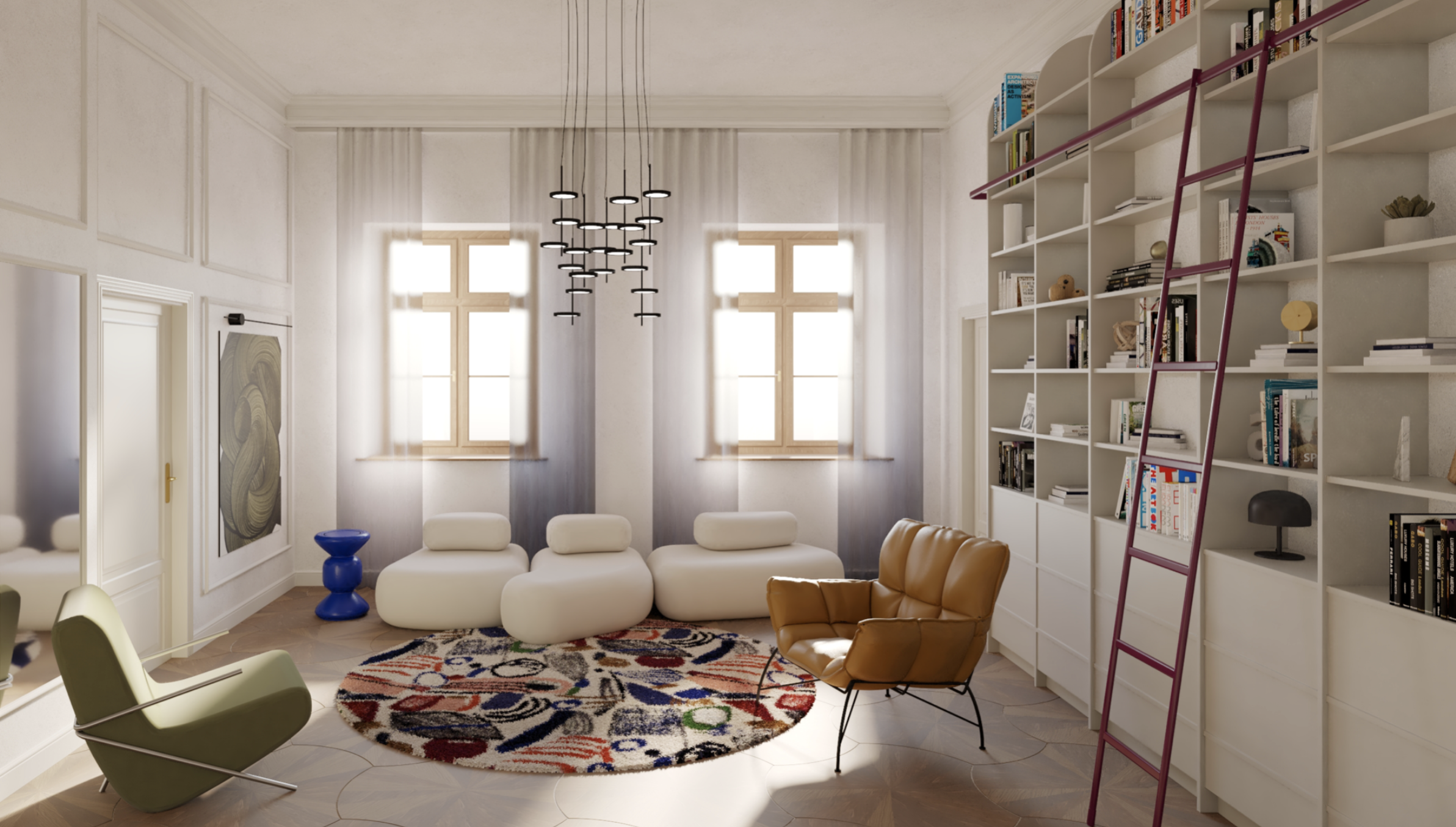
A studio that teaches spatial design based on the real needs of users and contemporary knowledge about how the environment affects people. The creative process is based on the Research by Design methodology—students analyze the functions, emotions, and experiences of users, and then translate these findings into conscious, responsible design solutions. The studio develops the ability to combine research thinking with creative action, building concepts that support well-being, comfort, and quality of life. Each project is track individual track in which students create their own vision and make decisions based on reliable analyses. The aim of the studio is to prepare designers who are able to design in a modern, responsible, and comprehensive manner, responding to the complex challenges of contemporary living and working environments.