The fall edition of " Career Fair "PJAIT is coming up tomorrow—October 22!


Waon Theater
Open Doors: A Story of People, Land, and Memory
Manggha Museum of Japanese Art and Technology in Kraków
March 29 | 7:00 p.m.
Author: Makito Shibuya
Translation of the play from Japanese: Jakub Karpoluk
Directed by: Makito Shibuya
Music by: Makito Shibuya
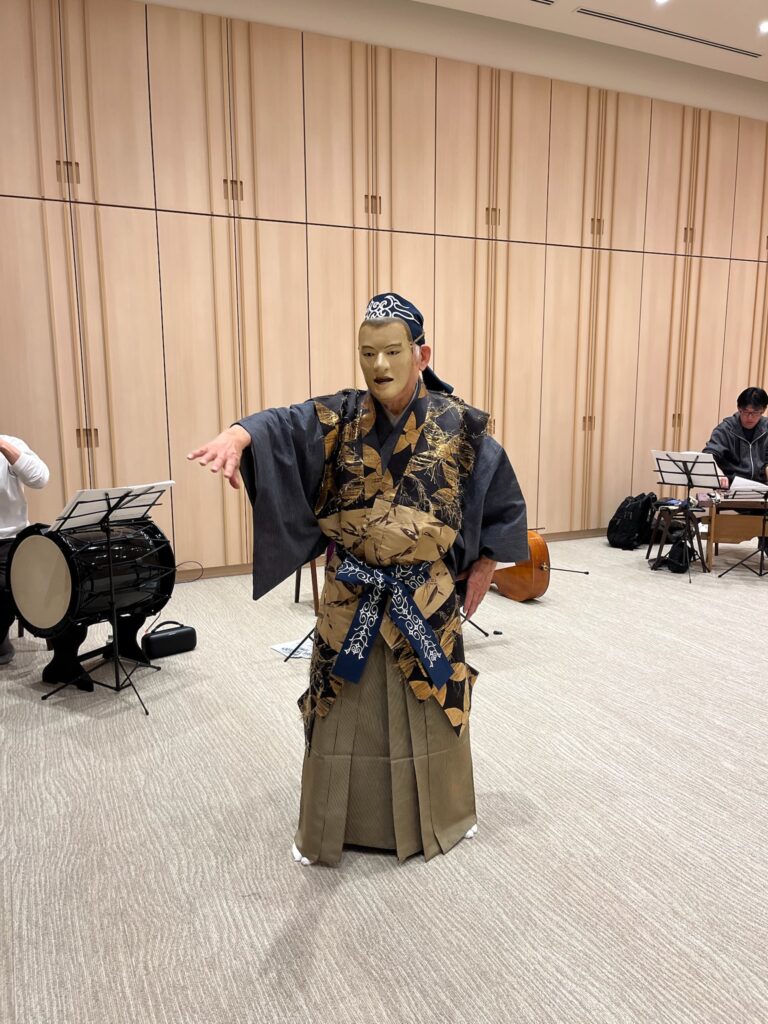
Cast: Reijirō Tsumura, Shintarō Ban, Mitsuru Nagashima (Kanze School)
Utakuni Yamamoto (Ikuta School) – koto
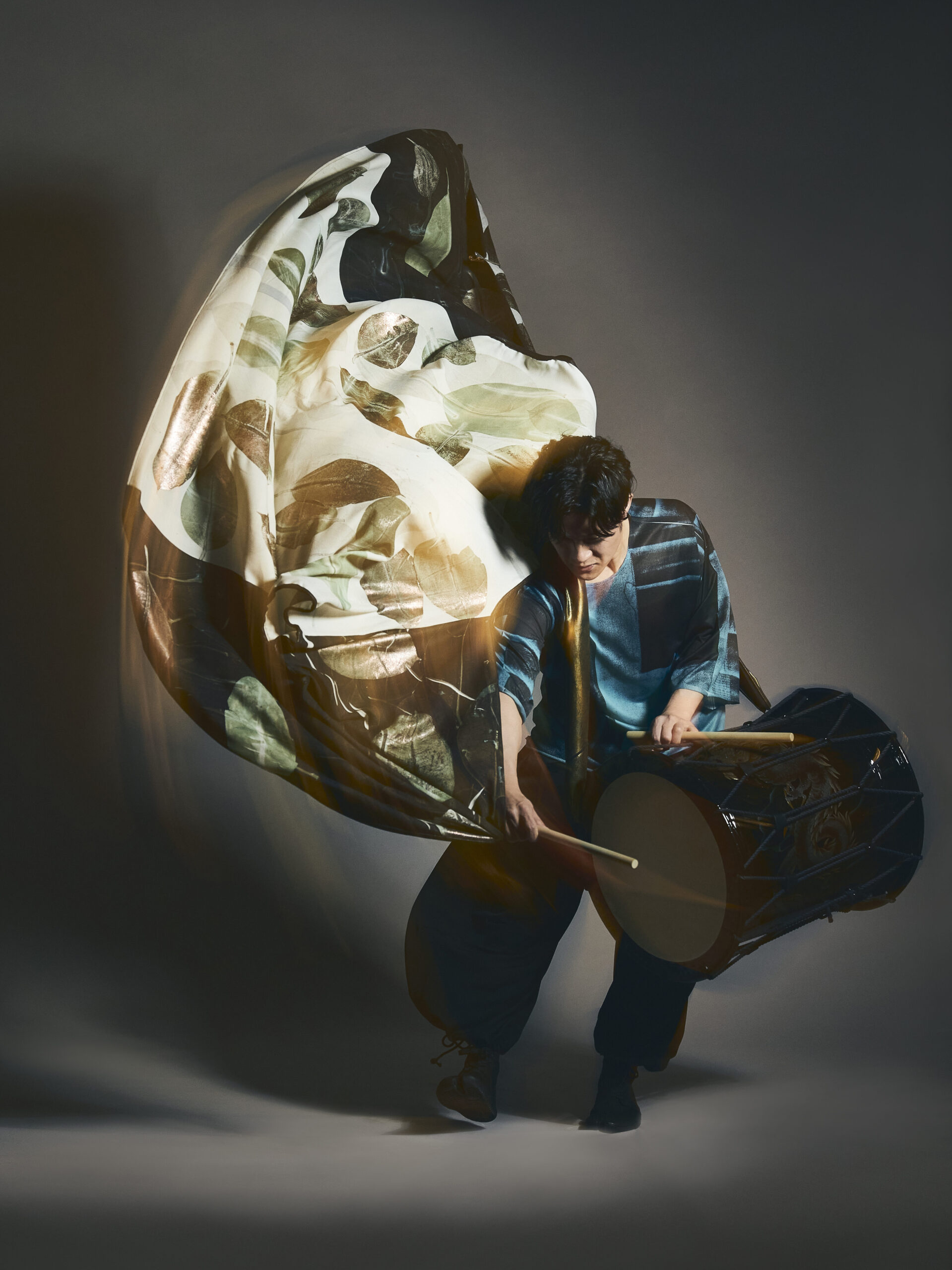
Masayuki Sakamoto – taiko
Anna Fender – cello
Production: Yoko Fujii Karpoluk, Jakub Karpoluk
Assistants: Yasuo Kawata, Manaka Higure
Shimai dances: Yōkihi (Princess Yang Guifei), Nue (Chimera)
Oni mai (Demon Dance)
Koto recital
Rokudan no Shirabe (Six-Part Piece), by Kengyo Yatsuhashi (1614–1685);
Shinsen-chō, by Shinichi Yuize (1923–2015)
Recital for koto and cello
Haru no Umi (Sea in Spring), by Michio Miyagi (1894–1956)
Open Doors: A Story of People, Land, and Memory
The performance is based on the conventions of Noh theater; however, the composer, playwright, and director, Makito Shibuya, strives to interpret it creatively, supplementing the musical layer with parts written for the koto, cello, and taiko drums. The drama Open Door is a palimpsest for which Noh theater serves as the starting point. The whole takes the form of a dialogue between Japanese and European dramatic and musical forms.
The story takes place in the port city of Tsuruga, on the Sea of Japan in Fukui Prefecture, to which nearly 900 Polish orphans were evacuated from Siberia and Manchuria between 1919 and 1922. In 2008, a museum dedicated to these events, the Port of Humanity Tsuruga Museum, opened in Tsuruga. It is this very museum that the Wanderer is seeking, asking the Man from the Port for directions. Both men have suffered severe losses in the past and are grappling with both the loss of loved ones and the injustice that has befallen them. For the Wanderer turns out to be an Ainu, whose dual identity—Ainu and Japanese—has caused him to struggle with rejection his entire life. In their conversation, the men address the themes of history, memory, and identity, which define contemporary social reality in a universal sense. At the climax of the play, a third character—the Old Man—is summoned from the afterlife and appears, identified as the spirit of Bronisław Piłsudski, a Polish independence activist and ethnographer, and the first scholar of Ainu culture and language. Piłsudski—the author of a dictionary of the Ainu language—is the one who saved from oblivion the voices of people pushed to the margins and subjected for decades to brutal colonial practices in Japan. The Old Man raises questions that remain relevant to us today regarding identity, tolerance, and empathy.
This play, which belongs to the mugen nō genre (a drama of dreams or premonitions), follows the convention of many classic Noh plays and serves as a requiem for the repose of the souls of those who died in tragic circumstances.