


Exhibition of Works by Part-Time Students NeMA

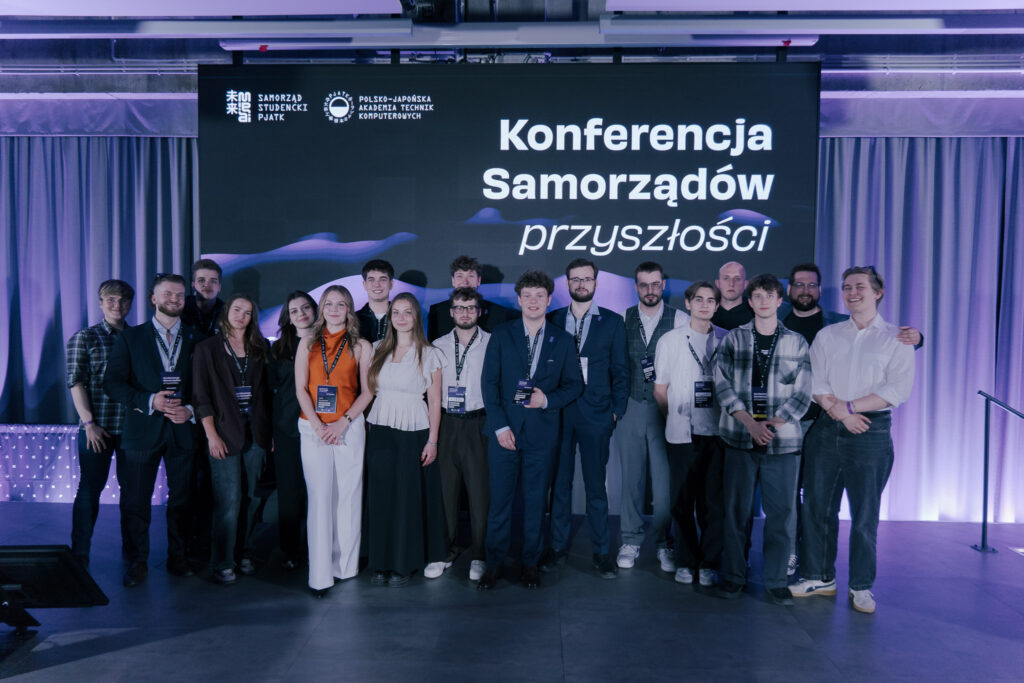
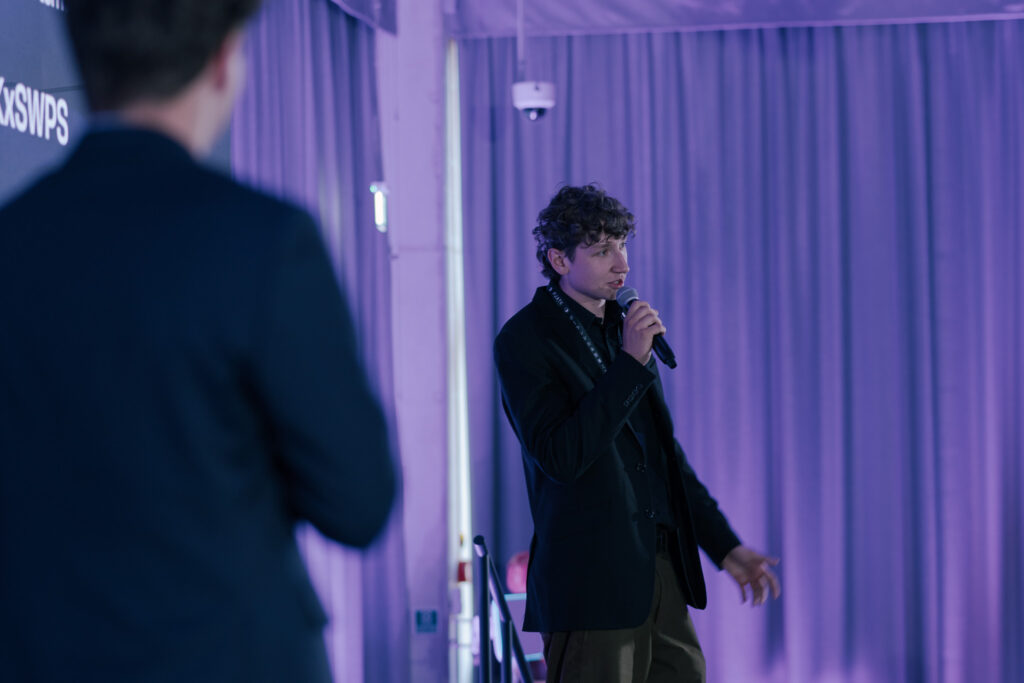
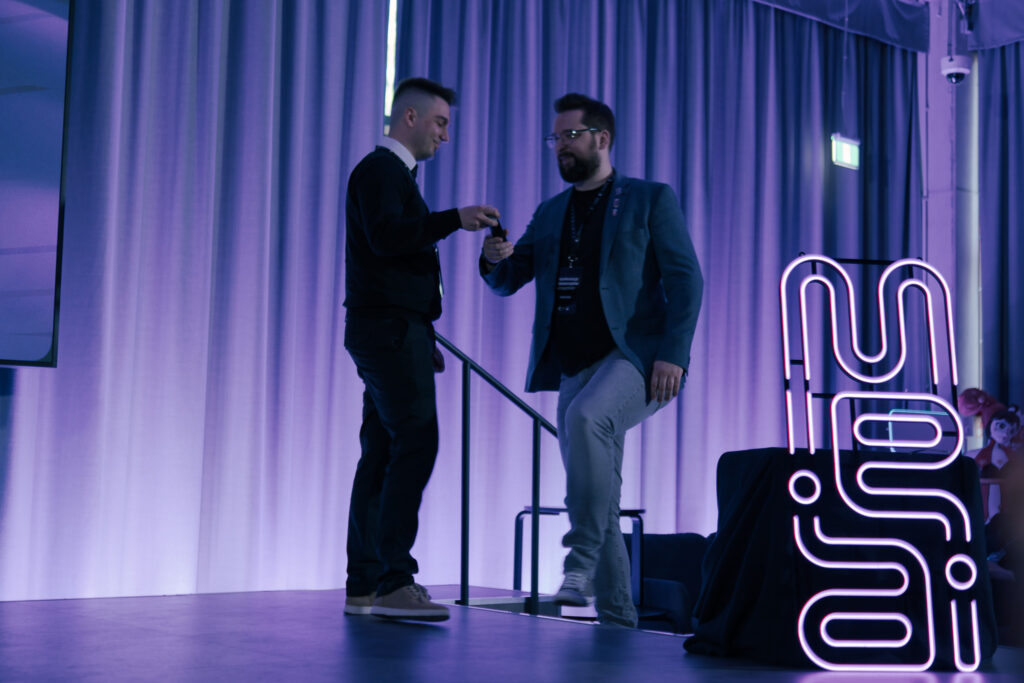
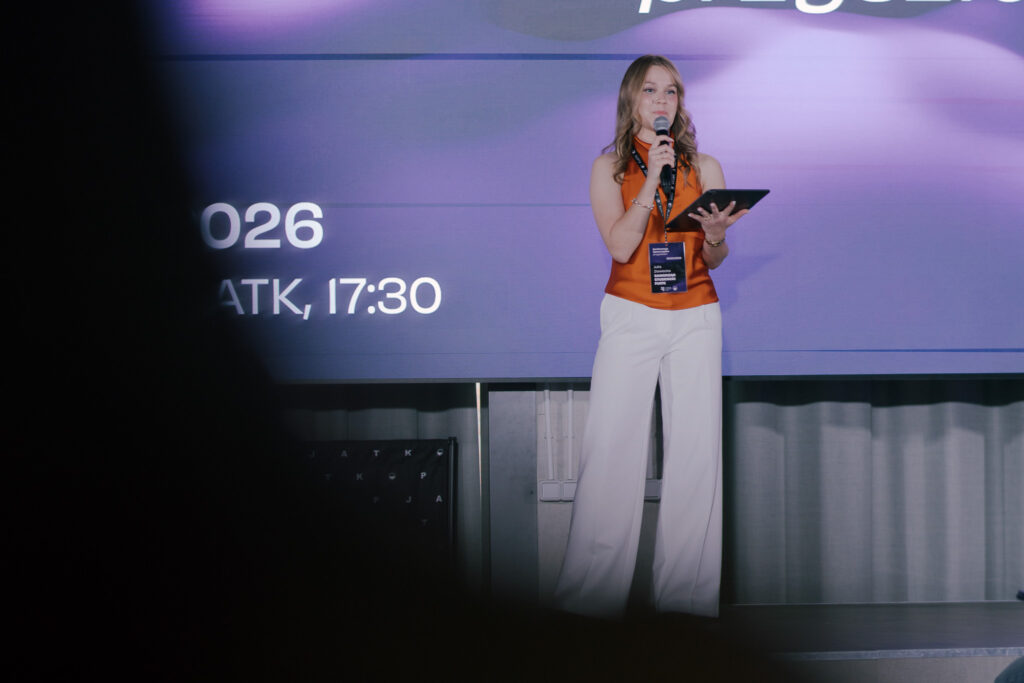
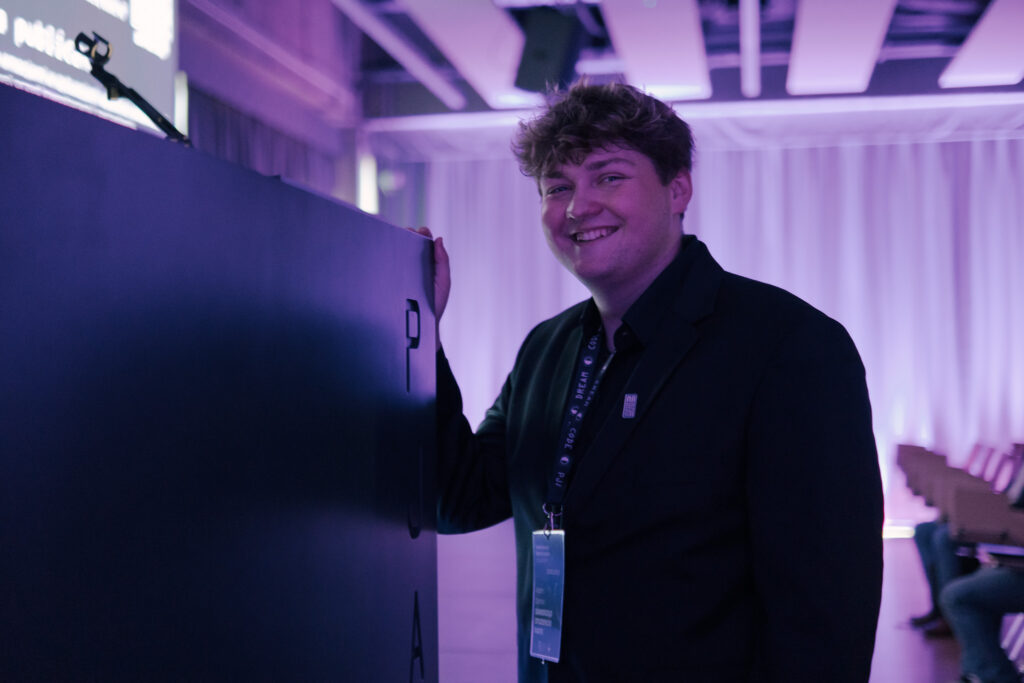
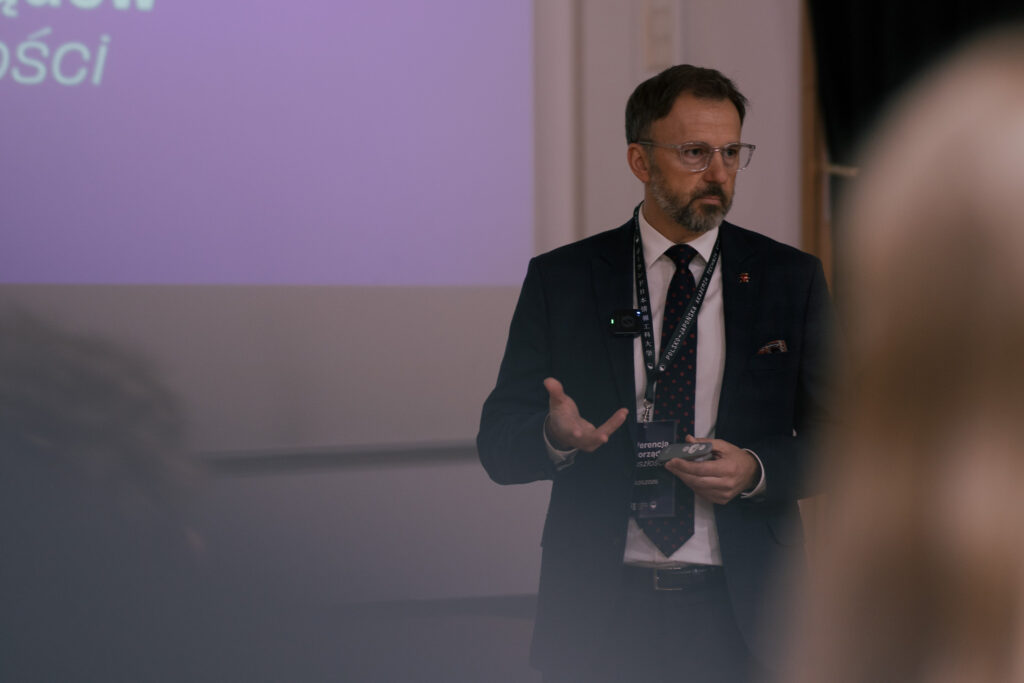
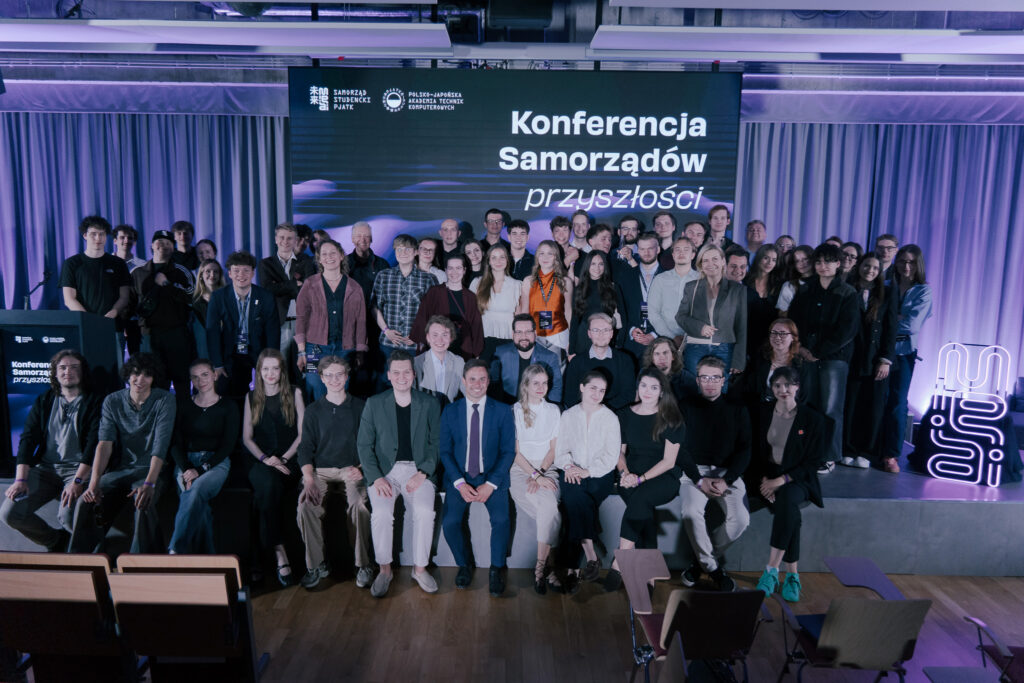
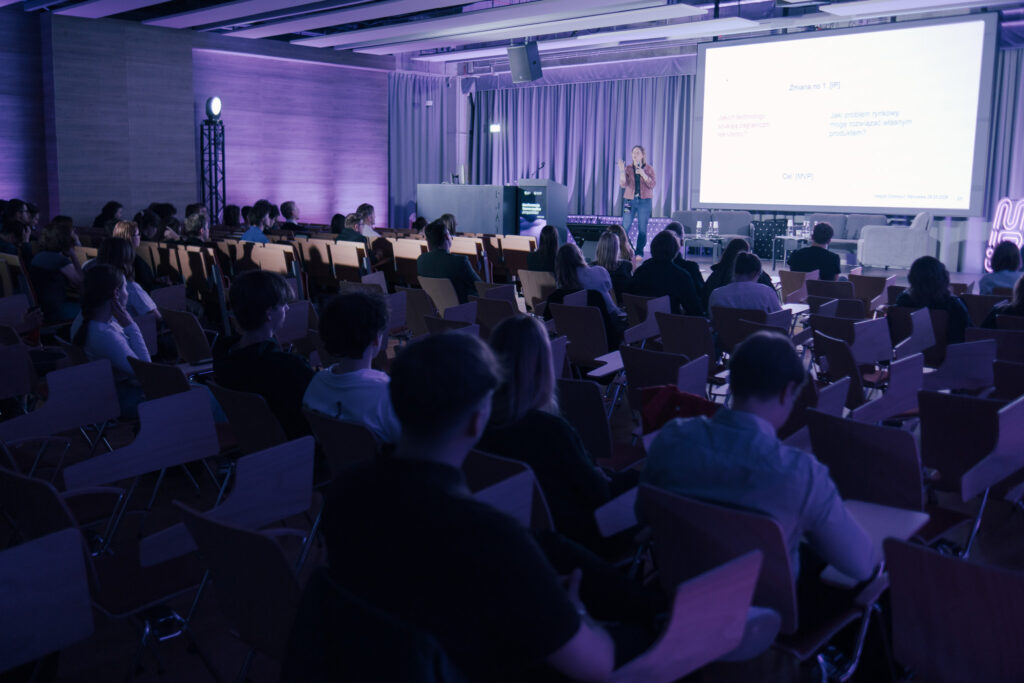
On May 28, 2026, the Polish-Japanese Academy of Information Technology became the focal point in Warsaw for discussions on the future of education, technology, and leadership. The event was organized by Student Council PJAIT , attracted students, opinion leaders, and experts from key sectors of the technology market. The conference demonstrated that modern student organizations are capable of creating a multifaceted and fully professional platform for the exchange of knowledge.
We are particularly pleased that on this day we had the honor of hosting representatives from over 30 different universities, high schools, as well as non-governmental organizations and companies collaborating with the PJAIT Student Council. Your presence gave the conference a unique, multi-faceted dimension.
As organizers, we can’t hide our immense excitement and pride. The energy that accompanied us from the very first moments of preparation all the way through to the final song at the afterparty on the Vistula River exceeded our wildest expectations.
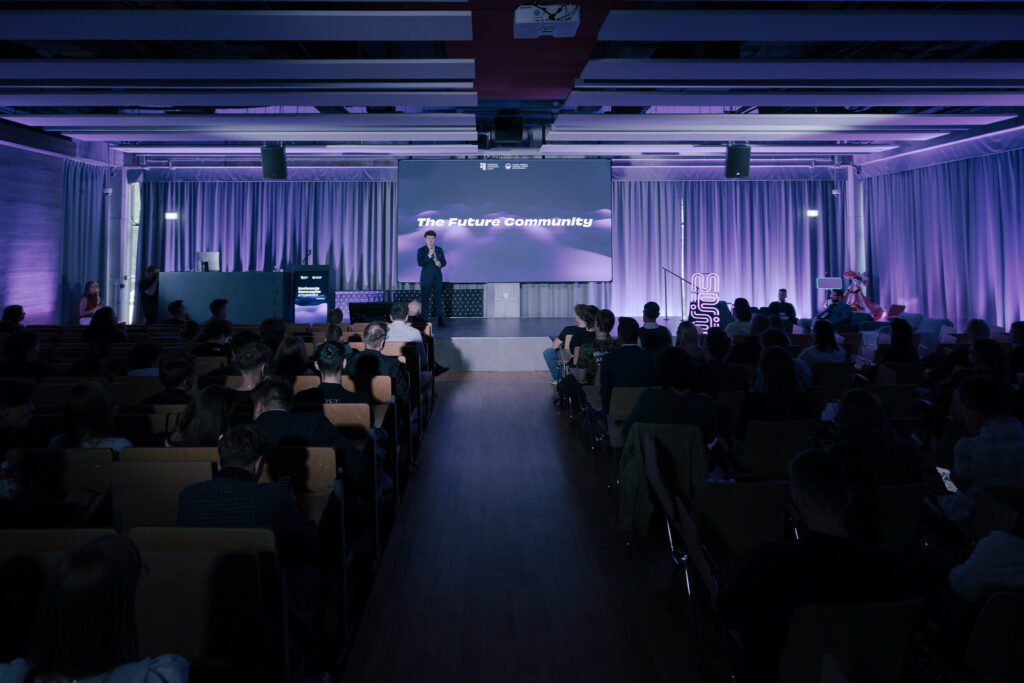
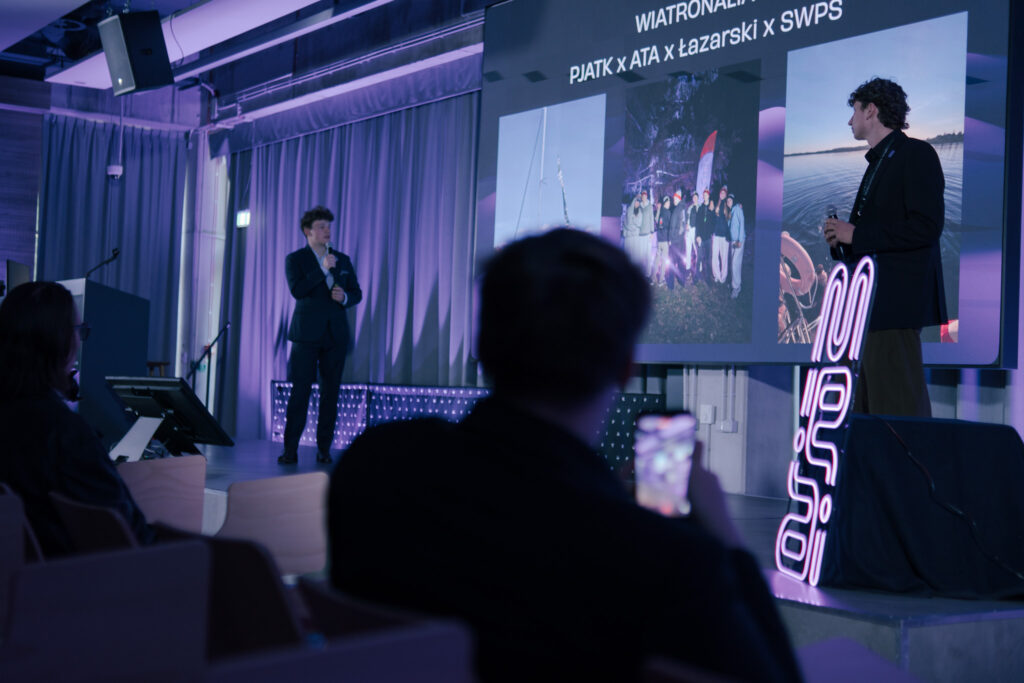
The event, which began at 5:30 p.m., opened with an informative inaugural session dedicated to an innovative model for student organizations. During this presentation, we had the opportunity to showcase the PJAIT Student Council’s achievements PJAIT the past year. Among the most significant successes were:
• New Student Government Bylaws — a comprehensively updated document governing the organization’s operations,
• An independent local government budget – a mechanism for financial autonomy has been established,
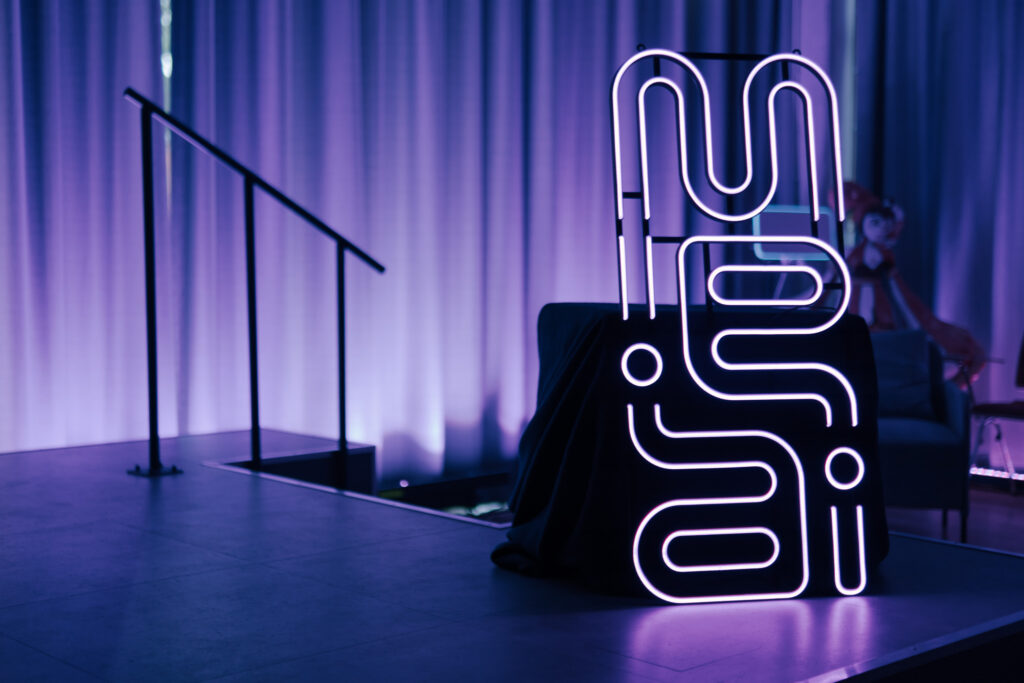
• MIRAI’s new visual identity —created entirely from scratch, giving the local government a modern and cohesive image,
• Numerous events for students in collaboration with other universities —including Wiatronalia, WINTEGRAL 2026 with partners, andINTEGRAL 2025,
• The “Project Leaders” Program – an initiative launched to develop leadership skills among Student Council members, ensuring that every project has a designated coordinator.
During the presentation, we also shared PJAIT vision for the future of higher education. We mentionedthe PJAIT Innovation Center, which aims to support students in carrying out advanced research and technology projects. We also introduced field of study new field of study Cognitive Science: Technology, Communication, and Design.
We also announced the establishment of Poland’s first Council of Student Research Clubs at a private university.
We presented our proprietary organizational management system, which is based on automation and modern internal communication processes. The demonstration of the actual digital tools implemented at our university was very well received by the invited guests.
We also devoted a lot of time to the activities of the Warsaw Universities Alliance (PUW). We discussed joint initiatives launched by the PJAIT Student Council: the Warsaw Padel Party, the Smash & Grill PARTY series, as well as joint business initiatives as part of the Startup Founders Stars series. We invited all universities to actively join the “The Future Community” movement—an initiative whose mission is to bring together students from all over Warsaw: academically, culturally, and through networking.
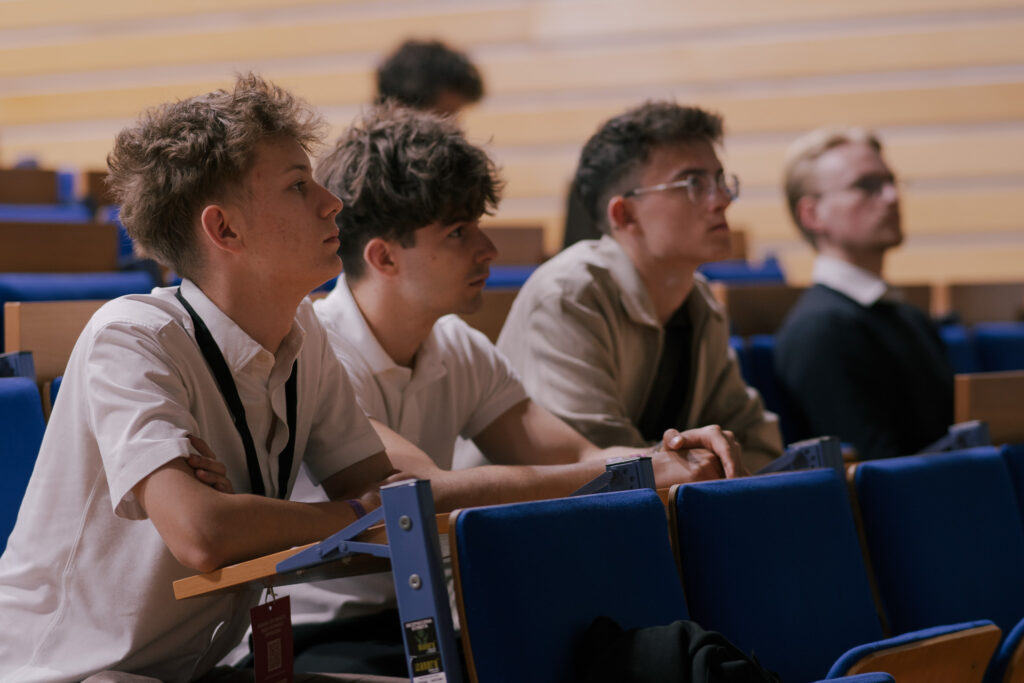
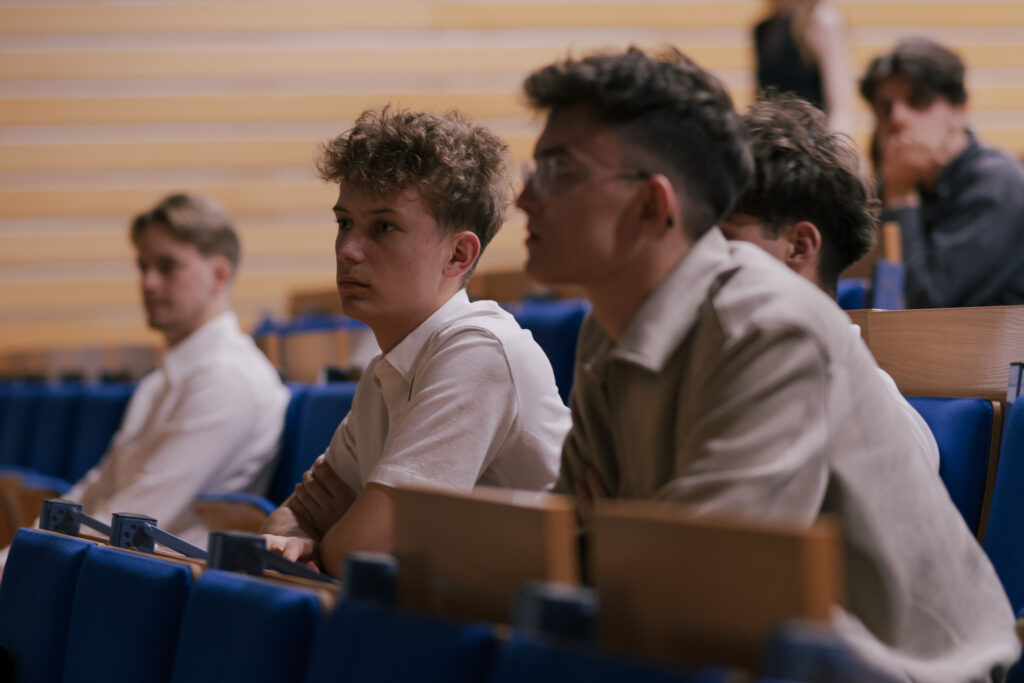
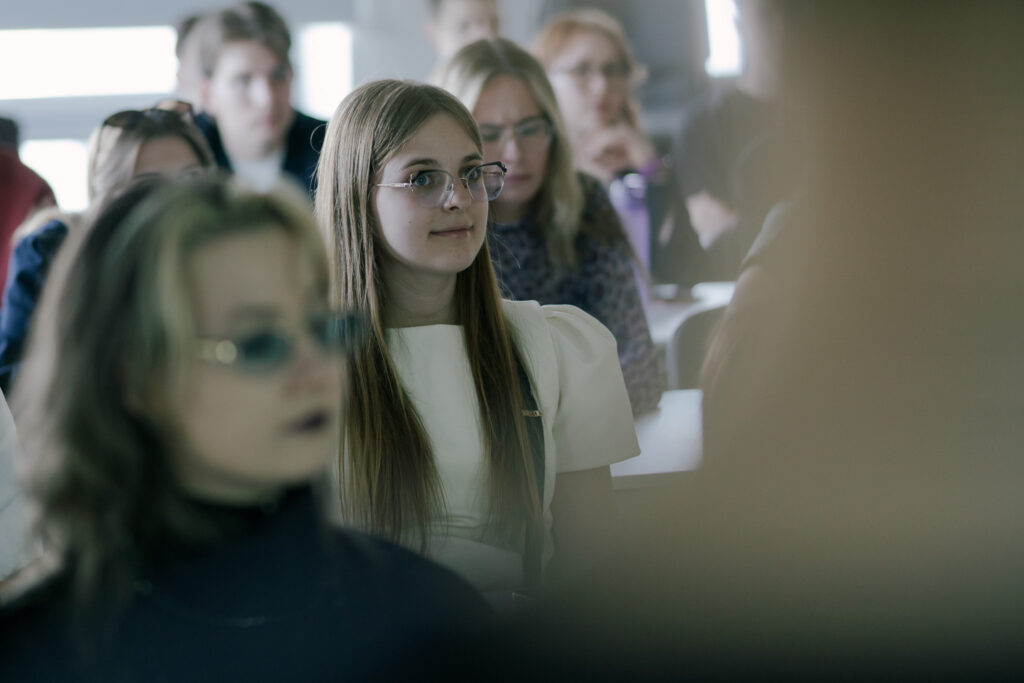
The workshop session provided participants with a wealth of specialized knowledge. Dividing the program into three parallel tracks proved to be a huge success, and the rooms were packed to capacity. Participants had nothing but praise for the hands-on approach.
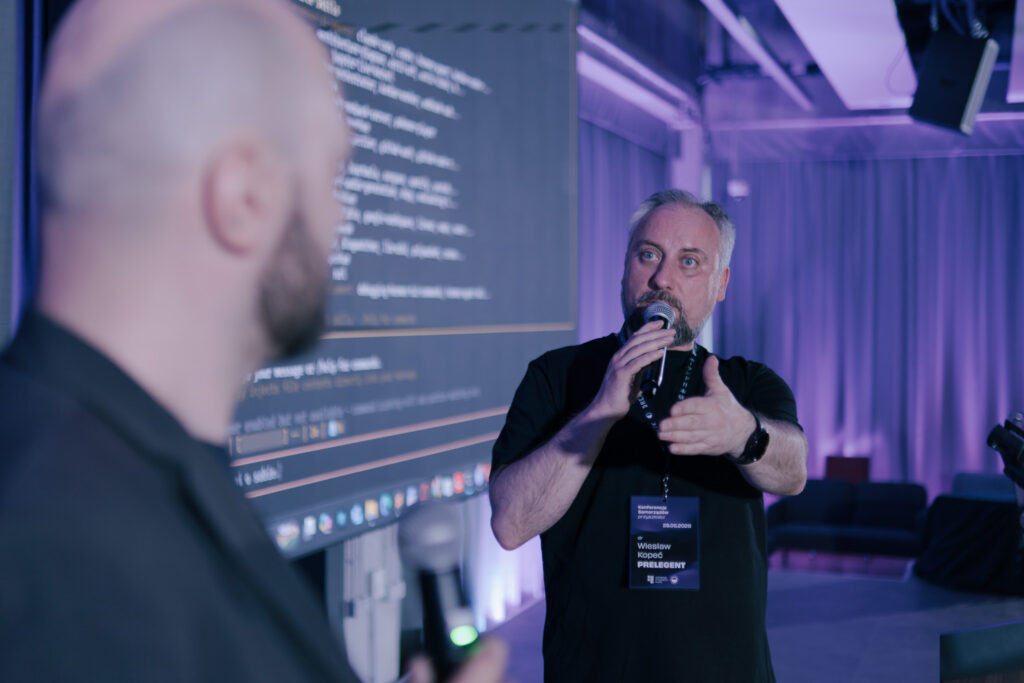
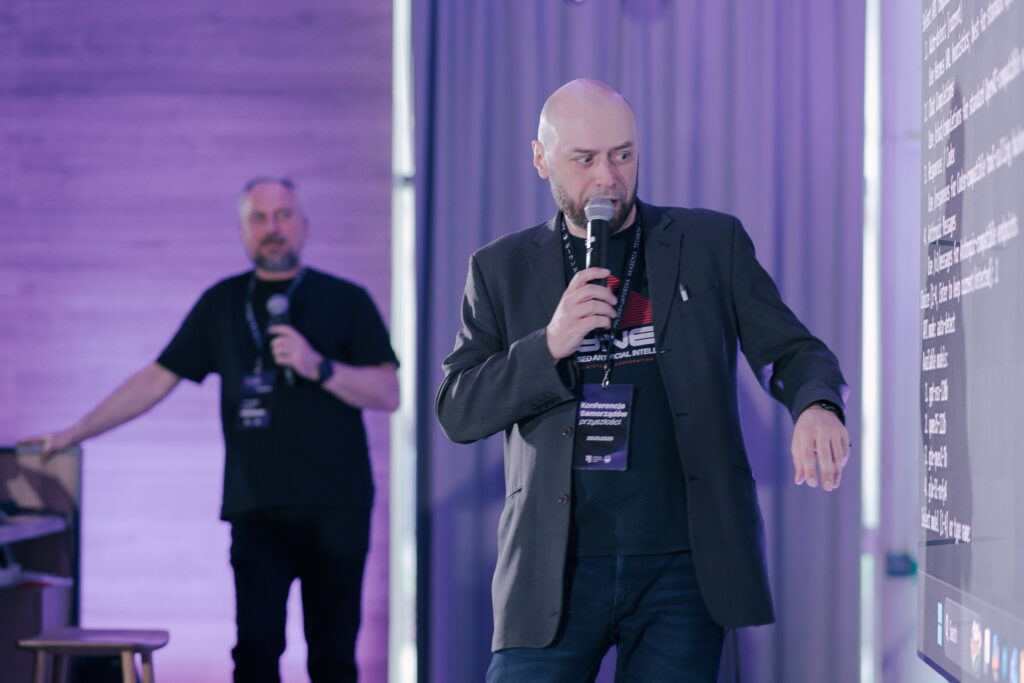
The technical workshop attracted programming enthusiasts. Specialists from the PJAIT XR Center team— Rafał Masłyk, Jakub Zboina, Barbara Karpowicz, and Dr. Wiesław Kopeć, a professorPJAIT —PJAIT the students through the process of designing agent-based ecosystems. Importantly, participants installed the Hermes agent on their laptops—a tool that can genuinely help them with daily tasks and solving complex problems. Participants left the auditorium with ready-to-use, functioning structures capable of independently solving complex tasks.
The workshop led byKrzysztof Górlicki (an MBA lecturer, veteran journalist, and TVN24 anchor) caused quite a stir. Students praised the workshop for its invaluable, practical techniques for managing stress in high-profile situations and its precise methods for building business credibility in front of audiences and investors.
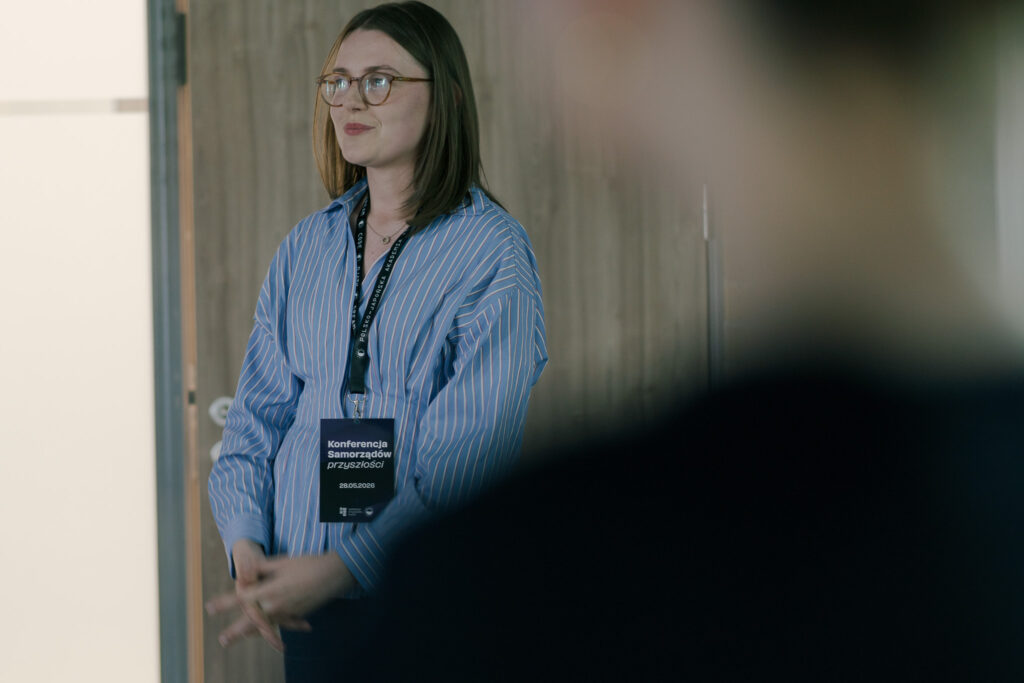
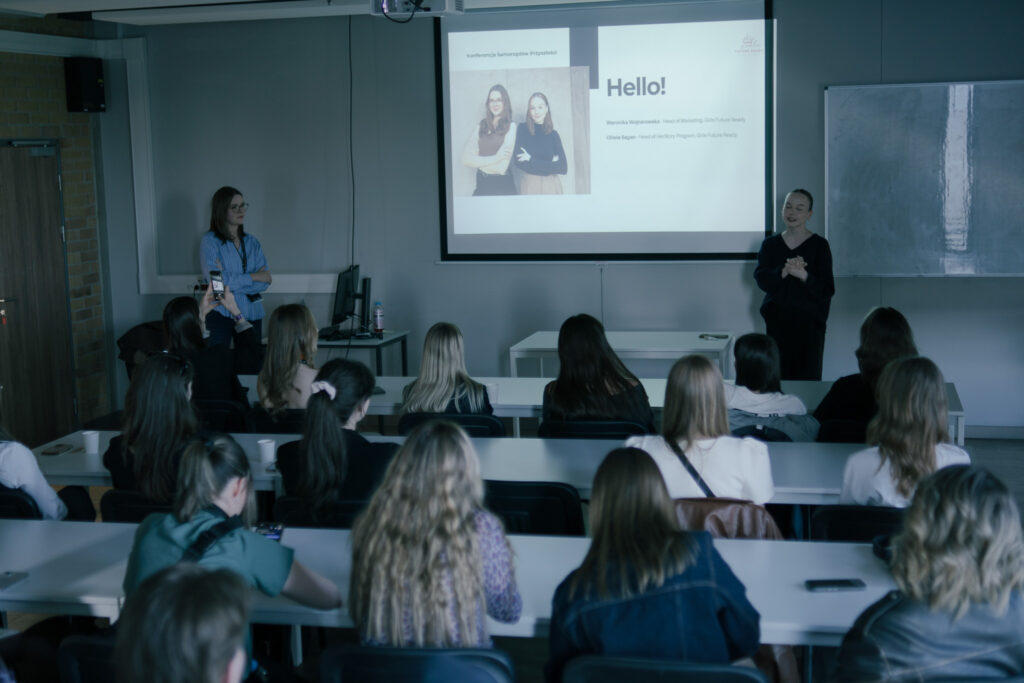
This intensive module, organized in collaboration with the Girls Future Ready Foundation and led byOliwia Sagan and Weronika Wojnarowska, focused on personal branding. The workshop received excellent reviews for its unique approach to the psychology of negotiation and leadership mindset training in the context of dynamic market changes.
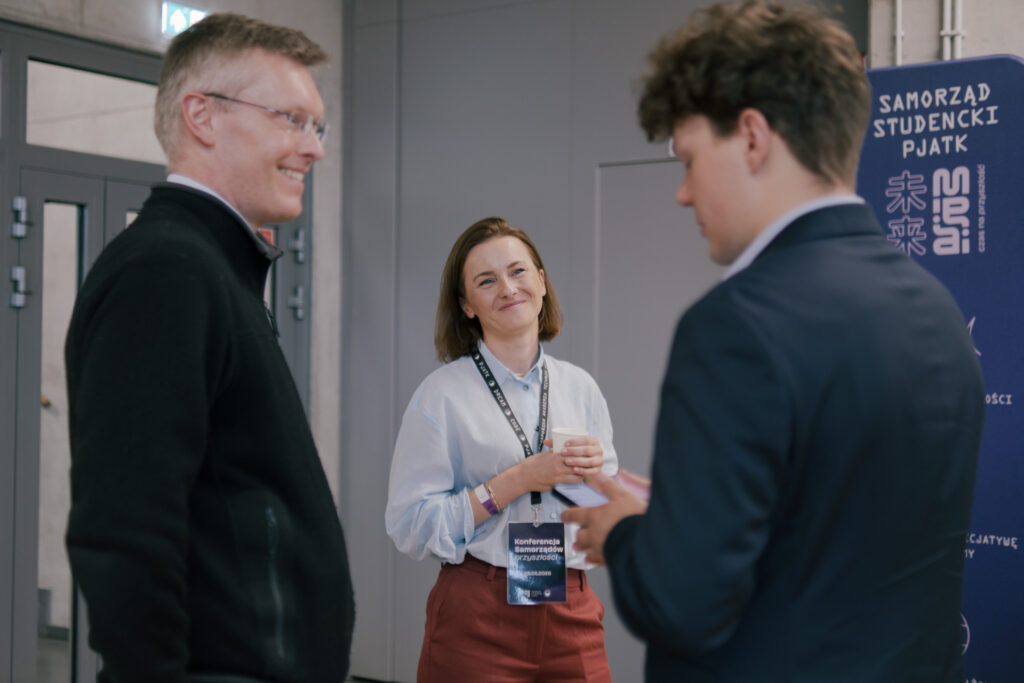
Right after the intensive workshops wrapped up, it was time to take a breather and get to know one another. The break, accompanied by light refreshments, proved to be the perfect moment for some initial, lively networking. Participants from all three tracks gathered in one place to exchange fresh insights, compare the skills they had just acquired, and forge new inter-university connections through informal, behind-the-scenes conversations.
The highlight of the program was the panel discussion titled “What is the future of education in the age of AI?” The clash of diverse perspectives ensured a discussion rich in concrete insights:
• Monika Grzeczyńska (Director of Data & AI, Orange Innovation Polska) outlined the outlook for business and technological innovation,
• Piotr Mazurkiewicz (Managing Partner, HRK S.A.) presented hard data on the labor market and the demand for future-oriented skills,
• Marta Godzisz (Director of Postgraduate Studies, PJAIT) represented the academic community and highlighted the flexibility of the curricula,
• Kamil Bonas (Main Council for Science and Higher Education) addressed the systemic and social barriers to the transformation of higher education,
• Mikołaj Piołun-Noyszewski (President of the PJAIT Student Council) brought a strong, authentic voice from the student community to the discussion.
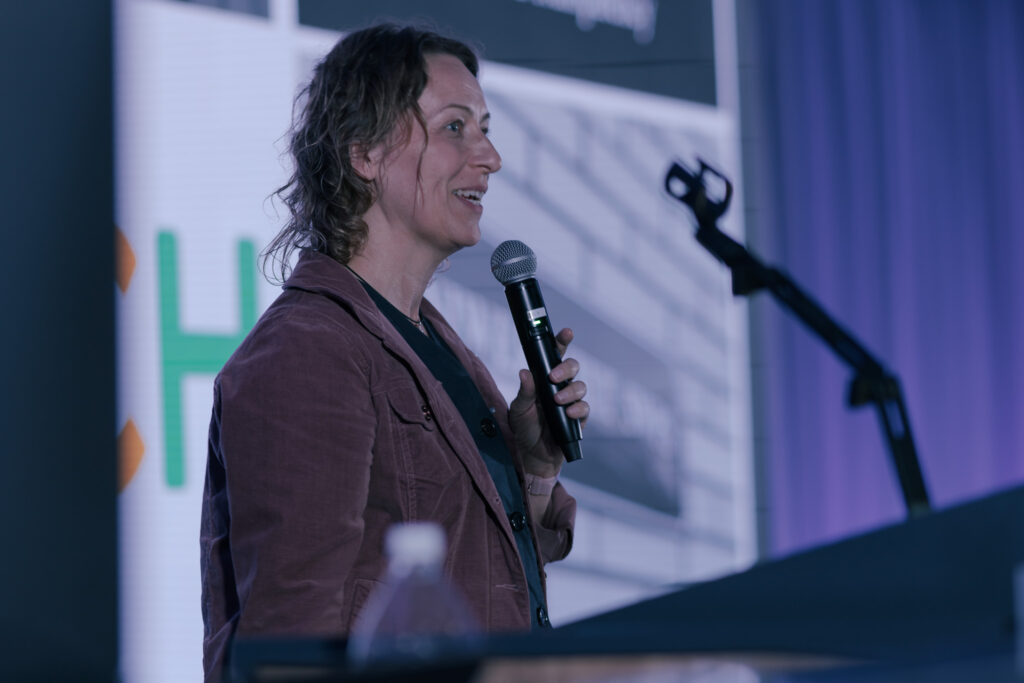
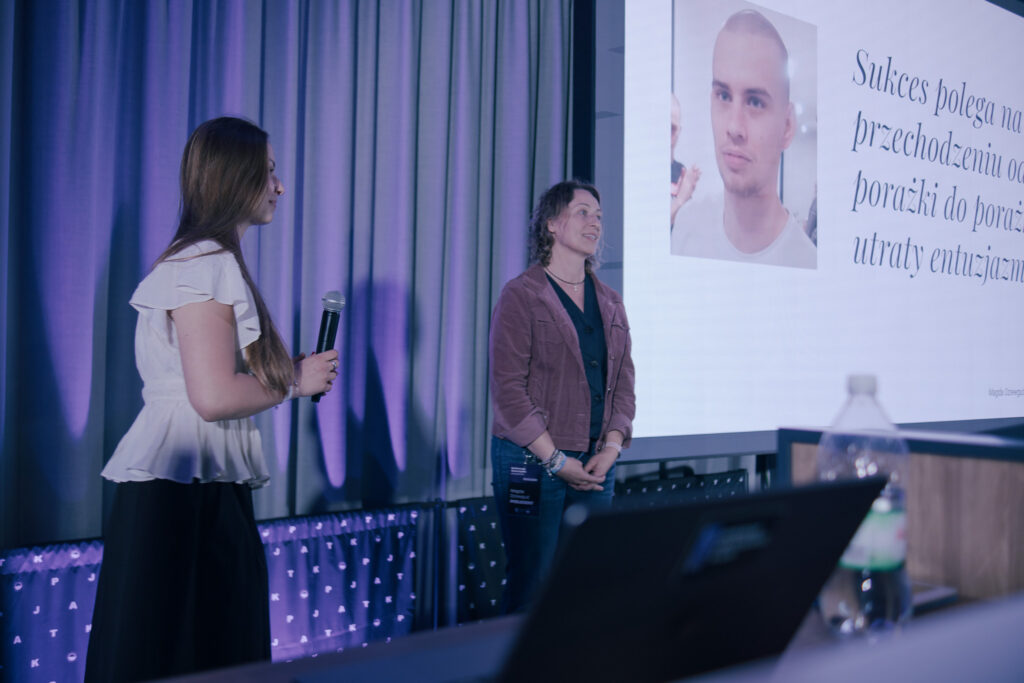
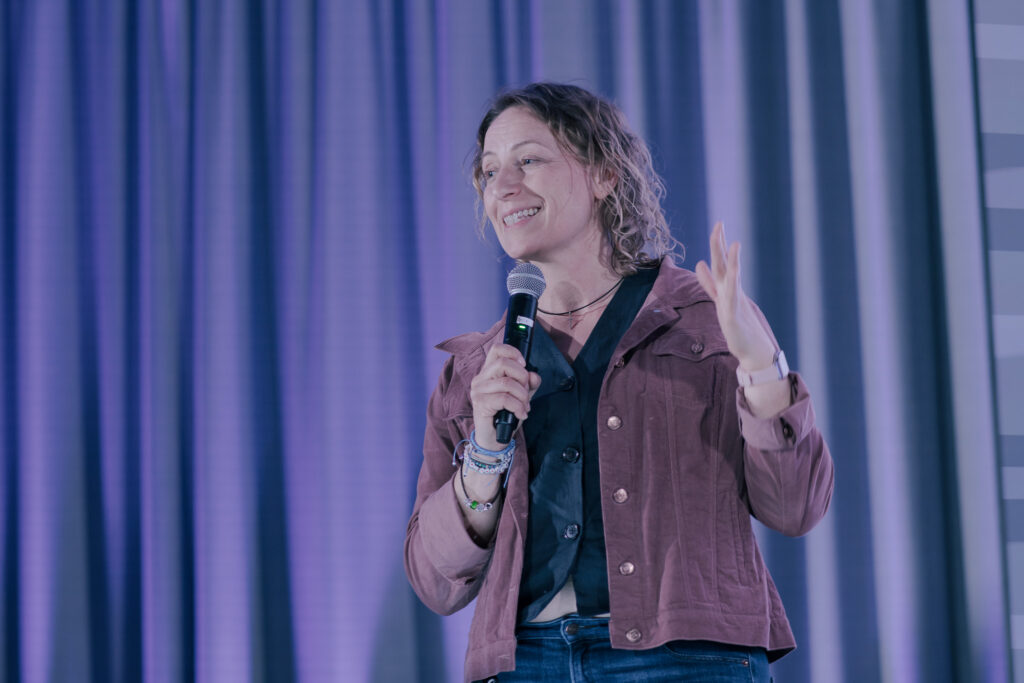
The highlight of the event and its central theme was the presentation by special guest Magda Dziewguć. Her lecture, titled “Poland as the Digital Heart of Europe: Our Opportunities in the Global Technology Race,” captivated everyone in the auditorium.
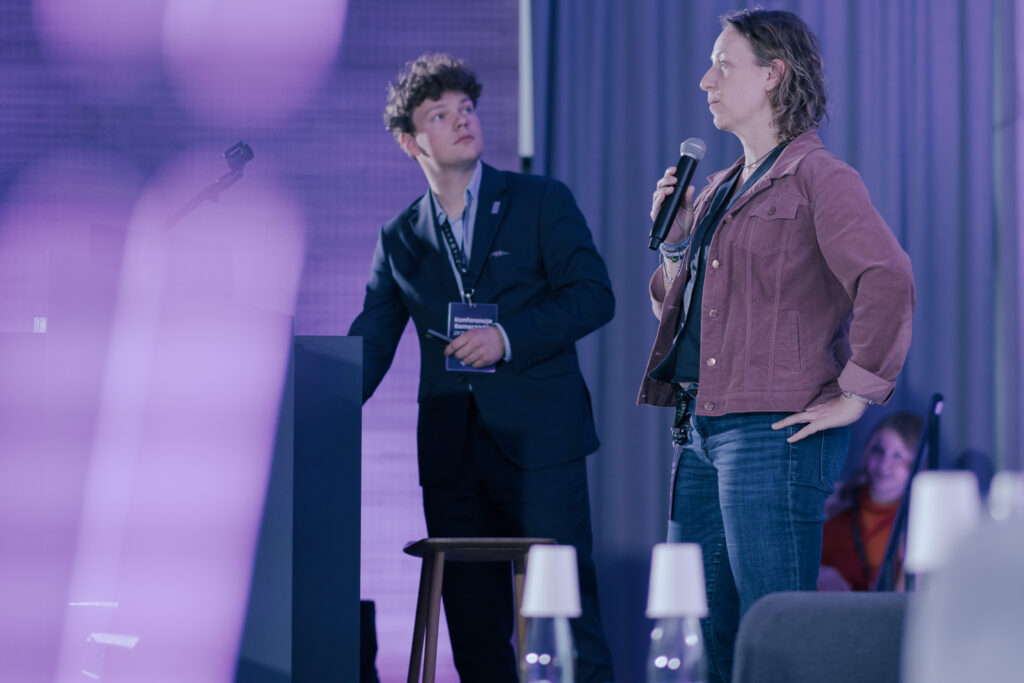
The speaker offered a fascinating analysis of the role of domestic intellectual capital in the age of artificial intelligence and our position on the world’s geopolitical map. Her appeal to students to boldly shift the paradigm—to abandon the role of passive users of ready-made technologies and become their proud creators—generated the most excitement. The event concluded with an extremely interesting and open Q&A session, skillfully moderated byEmilia Perlińska.
After the official part of the event, the participants and invited guests headed to the Vistula River boulevards to boardthe Kaskada barge. The May evening on the Vistula, great music spun by a DJ, and the relaxed atmosphere made for a perfect setting for casual conversations.
We would like to extend a special thank you to Netcompany for supporting this and other initiatives of the PJAIT Student Council PJAIT your presence and commitment are invaluable to us.
On behalf of the PJAIT Student Council, PJAIT the university administration, our business partners, the speakers, and above all, you—the students—for your enthusiastic and active participation. We have shown thatthe future is happening right here and now.
See you at our next events!
Local Government Office ul. Koszykowa 86, room B243
02-008 Warsaw
e-mail: samorzad@pja.edu.pl