Staff of the Department of Intelligent Systems and Data Science
Meet the team of the Department of Intelligent Systems and Data Science – specialists who combine scientific experience with a passion for teaching and technological innovation. On this page, you will find profiles of our employees, their research interests, publications, and area classes.
Prof. dr hab. Grzegorz Marcin Wójcik
Head of Department
Prof. dr hab. Wójcik specializes in computational neuroinformatics and quantitative electroencephalography (EEG). He holds a PhD in physics, a postdoctoral degree in biocybernetics and biomedical engineering, and a professorship in technical informatics and telecommunications. He has conducted numerous studies on the application of artificial intelligence (AI) and neural computations in models of the mammalian visual system, using advanced techniques of data analysis and biological systems modeling.
In addition, for many years he has been involved in the analysis of electroencephalographic signals using machine learning methods, advanced statistics, and convolutional neural networks, focused on the recognition of mental illnesses and disorders, processes related to the evaluation of source credibility, and decision-making under stress and mental strain.
His publications cover topics related to machine computing, including neuromorphic computing, machine learning, and large-scale simulations of neural networks, in particular electroencephalographic analysis of cognitive and higher mental processes using data science methodologies.
He has extensive experience in collaborating with international research centers (Oxford University, University of Edinburgh, University of Stirling, Hebrew University of Jerusalem, Ben Gurion University of the Negev) and has experience in managing complex technological research projects, including in the field of computing systems and neuroinformatics.
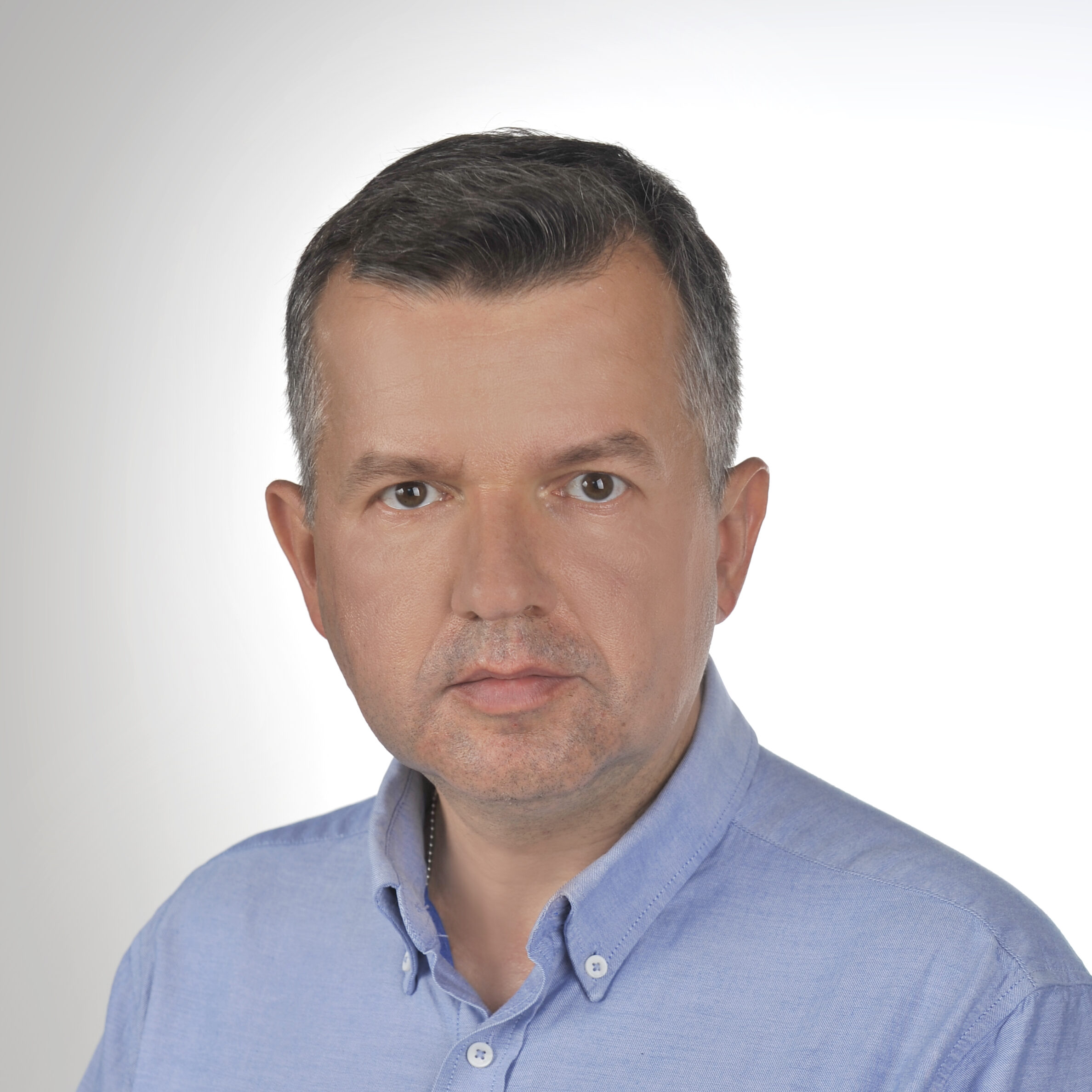
dr hab. Wodeckidr hab. professor at PJAIT
prof. PJAIT
dr hab. Wodecki, professor PJAIT, specializes in generative technologies, in particular research on multi-agent structures based on LLM. He holds a doctorate in physics and a postdoctoral degree in Management and Quality Sciences (Artificial Intelligence in Management). For many years, he has been involved in IT consulting and the creation and management of technology start-ups. Currently, he focuses on the use of generative technologies, in particular multi-agent structures, in broadly understood operational and strategic management.
Current research interests can be found at:https://users.pja.edu.pl/~wodecki/
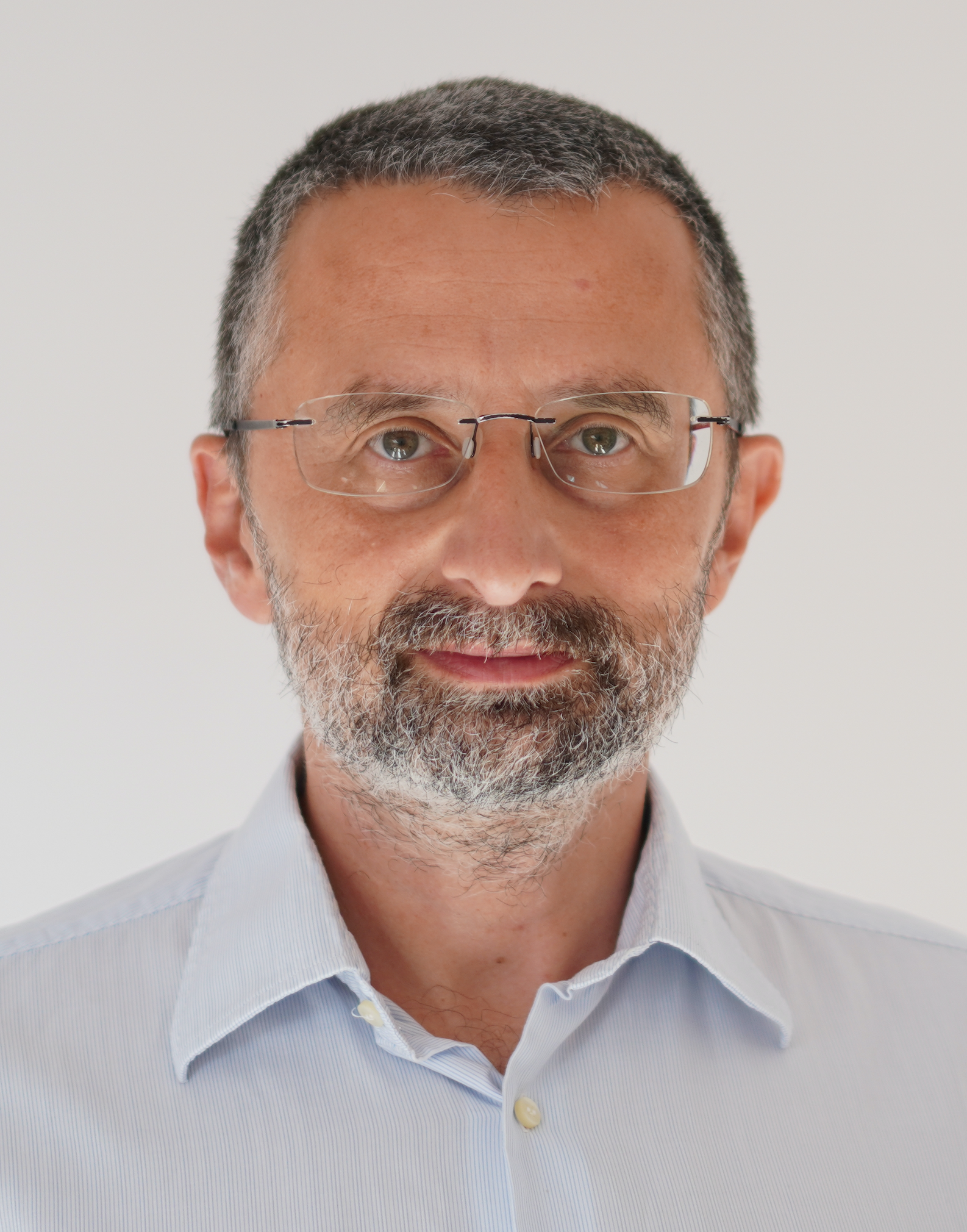
Bernadetta Bartosik, Ph.D., Eng.
Adjunct

Dr. Piotr Schneider, Eng.
Adjunct
Andrew Bobyk, PhD
Adjunct
A graduate of Maria Curie-Sklodowska University in Lublin, he conducts scientific research and teaching in the areas of cyber security, artificial intelligence, neural networks and machine learning at UMCS and PJAIT, has - documented by numerous publications in prestigious journals - more than 30 years of scientific research experience in the field of theoretical physics (postdoctoral fellowship at the University of Tübingen) and practical experience in the field of MAN network management, cyber security and risk analysis (he led a number of audits and implementations of information security management systems in financial institutions).
He has many years of experience in conducting projects at the intersection of science and implementation practice. He is Head of AI & Analytics at Capgemini Invent, where he is responsible for developing the competencies of data science teams, co-creating AI development strategies, and implementing transformation projects in various sectors (including IT, automotive, and banking). Previously, he was involved in the development of NLP solutions and process automation as Product Owner at Nokia and implemented analytical projects as Senior Data Scientist at McKinsey & Company.
An important element of his work is its educational and social dimension. He initiated and co-led a data science skills development program for Ukrainian war veterans, implemented in cooperation with the Ukrainian Catholic University in Lviv, supporting participants in their professional reintegration and retraining for analytical roles.
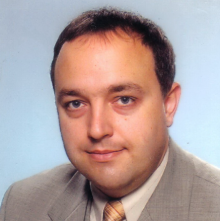
Dr. Dominik Deja
Adjunct
Dr. Dominik Jakub Deja specializes in strategy and implementation of solutions in the field of artificial intelligence (AI), data analytics, agentic AI (AgenticAI), and generative AI (GenAI), particularly in large, international organizations. He holds a PhD in computer science (Polish-Japanese Academy of Information Technology; research internship at EPFL). His profile combines scientific expertise with many years of experience in designing and scaling data & AI ecosystems, including data architecture, cloud platforms, and machine learning engineering processes (MLOps/LLMOps).
He has many years of experience in conducting projects at the intersection of science and implementation practice. He is Head of AI & Analytics at Capgemini Invent, where he is responsible for developing the competencies of data science teams, co-creating AI development strategies, and implementing transformation projects in various sectors (including IT, automotive, and banking). Previously, he was involved in the development of NLP solutions and process automation as Product Owner at Nokia and implemented analytical projects as Senior Data Scientist at McKinsey & Company.
An important element of his work is its educational and social dimension. He initiated and co-led a data science skills development program for Ukrainian war veterans, implemented in cooperation with the Ukrainian Catholic University in Lviv, supporting participants in their professional reintegration and retraining for analytical roles.
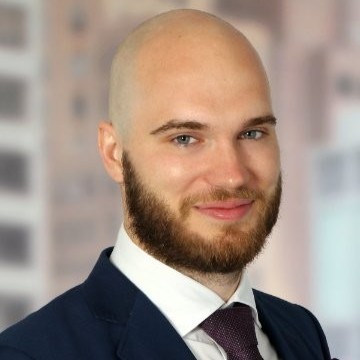
M.Sc. Adyrnney Ferreira Batista
scientific and educational
M.Sc. Adyrnney Ferreira Batista specializes in data science and artificial intelligence, with a particular focus on machine learning applications in medical imaging and clinical decision support systems. He holds a Master’s degree in Computer Science with an emphasis on Data Science. His research interests include intelligent systems, medical data analysis, and AI-driven diagnostic tools. His current work and scientific interests center on the application of artificial intelligence and data-driven methods to interdisciplinary problems at the intersection of computer science and medicine.

Adam Kassenberg, M.Sc.
scientific and educational
Piotr Kojałowicz, M.Sc. Eng.
scientific and educational
PL am a true interdisciplinary professional – I combine the world of urban planning with IT technology, proving that city planning and algorithm design have more in common than one might think.
I currently focus on generative AI analytics, and my experience also covers MLOps and DevOps. I like to build bridges—between data and decisions, theory and practice, people and technology.
In my teaching, I use a variety of often unconventional teaching techniques. Students appreciate my classes for their practical approach, energy, and atmosphere, in which even the most complex issues begin to make sense (and sometimes even become fun).
EN
I am a true interdisciplinary professional, combining expertise in urban planning and IT – because designing cities and designing algorithms are not that different after all.
Currently, I focus on generative AI analytics, with professional experience in MLOps and DevOps. I enjoy building bridges – between data and decisions, theory and practice, and, most importantly, between people and technology.
In teaching, I apply a wide range of innovative and engaging learning techniques. My classes are appreciated by students for their practical focus, dynamic atmosphere, and the ability to turn even complex concepts into something clear – and occasionally, even fun.
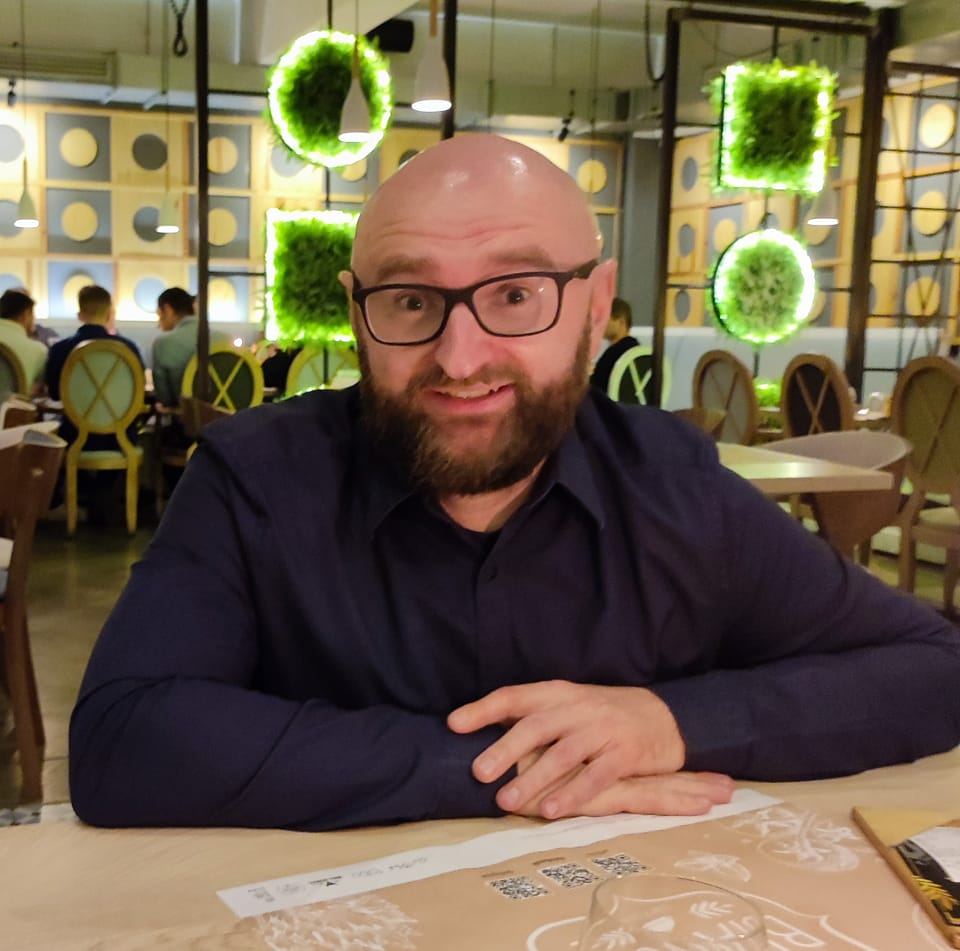
Dominika Wnuk, M.Sc.
research assistant / doctoral student
PL
She has an interdisciplinary education combining linguistics and computer science – she completed Bachelor's degree a Master's degree in applied linguistics at the University of Warsaw, followed by a Master's degree in computer science at the Polish-Japanese Academy of Information Technology.
Her research interests include artificial intelligence and its applications in cognitive science and bioinformatics, in particular the use of AI methods in medical data analysis and diagnosis and treatment support. Previously, she also worked on natural language processing (NLP) issues.
In his teaching activities, he conducts classes in the field of artificial intelligence and Big Data technology.
EN
She has an interdisciplinary educational background combining linguistics and computer science. She completed her BA and MA in Applied Linguistics at the University of Warsaw, and later obtained an MSc degree in Computer Science from the Polish-Japanese Academy of Information Technology.
Her research interests focus on artificial intelligence and its applications in cognitive science and bioinformatics, particularly the use of AI methods in medical data analysis and in supporting diagnosis and treatment processes. Previously, she has also worked on topics related to Natural Language Processing (NLP).
In her teaching activities, she conducts courses in artificial intelligence and Big Data technologies.